Table of Contents
Introduction
I’ll never forget the first time I tried making chocolat chaud at home after returning from Paris. I dumped chocolate chips directly into boiling milk, watched in horror as the mixture turned into a grainy, separated mess, and ended up with something that looked like chocolate-flavored cottage cheese. The second attempt? I used 85% cacao chocolate thinking “more cocoa = better flavor” and created something so bitter my husband diplomatically called it “medicinal.” By the third try, I’d finally learned what real Parisian hot chocolate requires: patience, the right chocolate, and understanding that this isn’t just hot cocoa with a French accent.
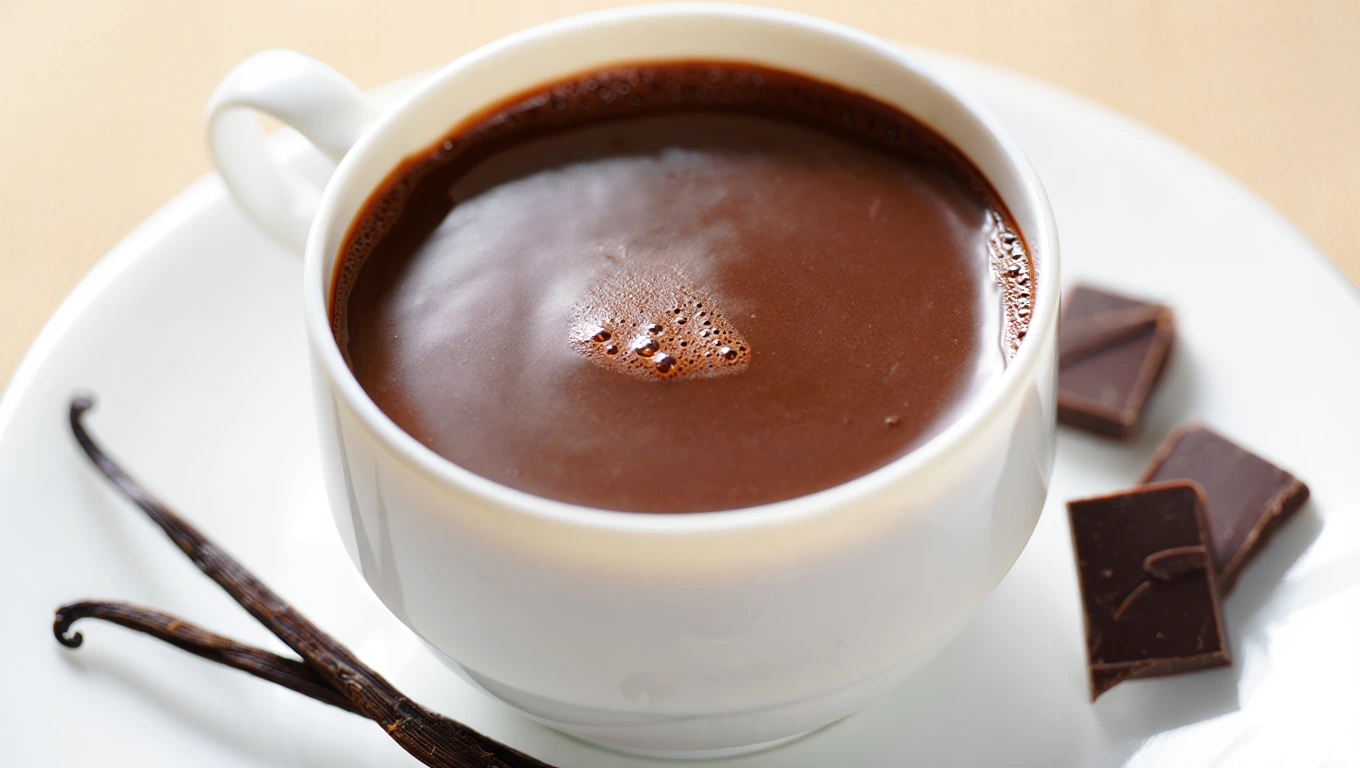
French hot chocolate – chocolat chaud (pronounced “show-ko-LAH show”) – is what you get when you melt actual dark chocolate into warm whole milk instead of stirring cocoa powder into water. It’s thicker than American hot cocoa, richer than anything from a packet, and honestly closer to drinkable ganache than what most people call hot chocolate. After finally getting it right, I’ve made this at least forty times, and I’m still tweaking the ratio to match what I tasted at a tiny café near Jardin du Luxembourg.
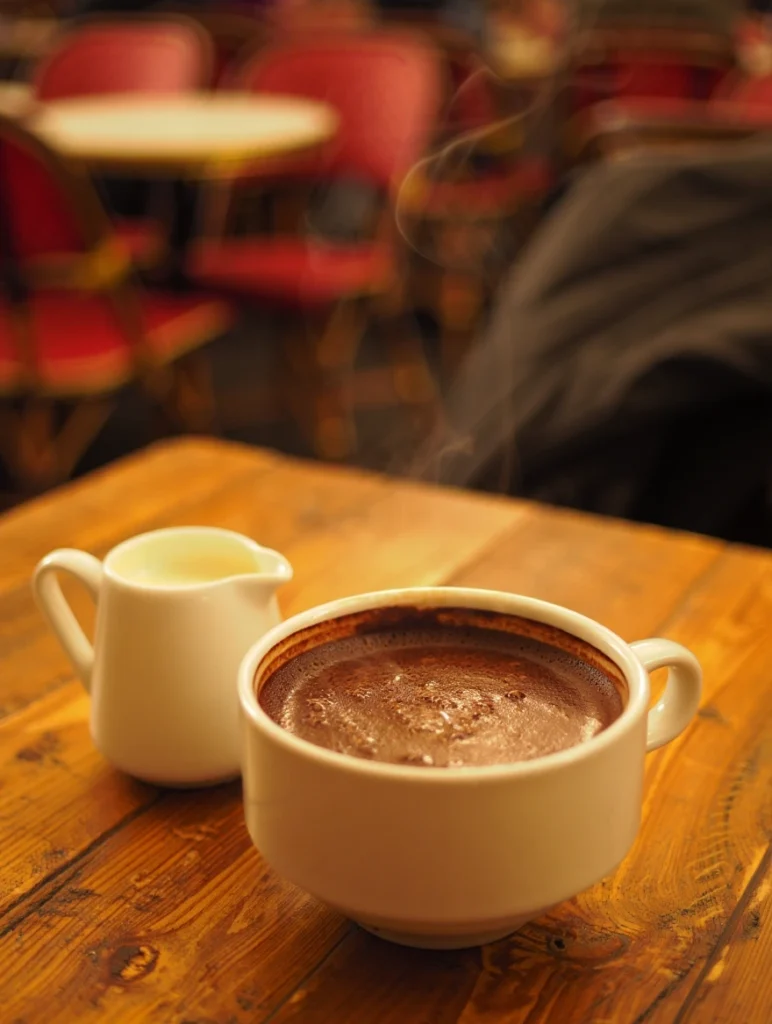
Why This Recipe Works
Who this is for:
• Anyone who’s had hot chocolate in Paris and wants to recreate it at home
• Chocolate lovers who find regular hot cocoa disappointingly thin
• People willing to spend 15 minutes whisking for the right texture
• Home cooks comfortable working with melted chocolate
When it’s useful:
• Cold weekend afternoons when you want café-quality indulgence
• After-dinner treat that feels special without being heavy
• French-themed brunch or afternoon goûter (4pm snack tradition)
What problem it solves:
This recipe fixes the “why doesn’t my hot chocolate taste like Paris?” problem. It teaches you how to avoid seizing chocolate, prevent milk from scorching, and achieve that glossy, velvety texture without cream.
Ingredients (With Real Context)
The Chocolate (Most Critical Decision)
200g (7 oz) dark chocolate, 60-70% cacao, finely chopped
This is where I messed up twice. Chocolate chips contain stabilizers that prevent proper melting – they’ll leave you with lumpy hot chocolate. And that 85% cacao bar I tried? Too bitter, too intense, impossible to balance. The sweet spot is 60-70% cacao – brands like Lindt Excellence, Ghirardelli Intense Dark, or Valrhona work beautifully.
What I learned the hard way: Chop the chocolate finely. Big chunks take forever to melt and you’ll overheat the milk trying to melt them, which leads to scorching. I use a heavy chef’s knife and aim for pieces no bigger than chocolate chips.
Tested substitutions:
• Milk chocolate (35-45% cacao): Works, but makes it much sweeter and less sophisticated. Good if serving kids.
• 72%+ cacao: Too bitter unless you add 2-3 tablespoons sugar, which defeats the French approach.
• Chocolate chips: Don’t. Just don’t. They contain soy lecithin that prevents smooth melting.
Common mistake people make: Using baker’s chocolate (100% cacao) thinking it’s “higher quality.” That’s for baking, not drinking. You’ll need so much sugar to balance it that you lose the elegant chocolate flavor.
The Milk
500ml (2 cups) whole milk, full-fat
French hot chocolate gets its creamy texture from whole milk, not cream. I tried 2% milk once (thinking I’d save calories) and the chocolate separated into grainy bits. The milk fat is essential for proper emulsification.
Tested substitutions:
• 2% milk: Technically works but thinner, less luxurious mouthfeel
• Oat milk (full-fat): Best dairy-free option I’ve tested – use Oatly Full Fat or Planet Oat Extra Creamy
• Coconut milk (full-fat canned): Rich and works well, but adds coconut flavor
• Almond milk: Too thin, chocolate doesn’t emulsify properly, I don’t recommend it
The Flavor Enhancers
½ teaspoon vanilla extract (or ¼ vanilla bean, scraped)
Vanilla provides sweetness without adding sugar. Don’t skip this – it’s traditional in French hot chocolate.
Tiny pinch fleur de sel (or sea salt)
Enhances chocolate flavor without making it taste salty. Think of it like salt in chocolate chip cookie dough.
Optional: 1 tablespoon light brown sugar (if you have a sweet tooth)
True Parisian chocolat chaud isn’t very sweet. Try it without first. If you must, add sugar at the end to taste.
Dietary Substitution Bullets
Vegan:
• Use full-fat oat milk + dairy-free dark chocolate (check label for milk powder)
Lower sugar:
• Already naturally low-sugar; use 70% cacao chocolate and skip added sugar entirely
Caffeine-sensitive:
• Dark chocolate contains about 12mg caffeine per ounce (similar to decaf coffee). No way around this if you want real chocolate flavor.
Timing
Prep Time: PT5M (5 minutes – chopping chocolate)
Cook Time: PT10M (10 minutes – heating, melting, whisking)
Total Time: PT15M (15 minutes)
Realistic comparison: This takes about as long as making pancakes from scratch. Don’t try to rush it or you’ll end up with seized chocolate like I did.
Step-by-Step Instructions
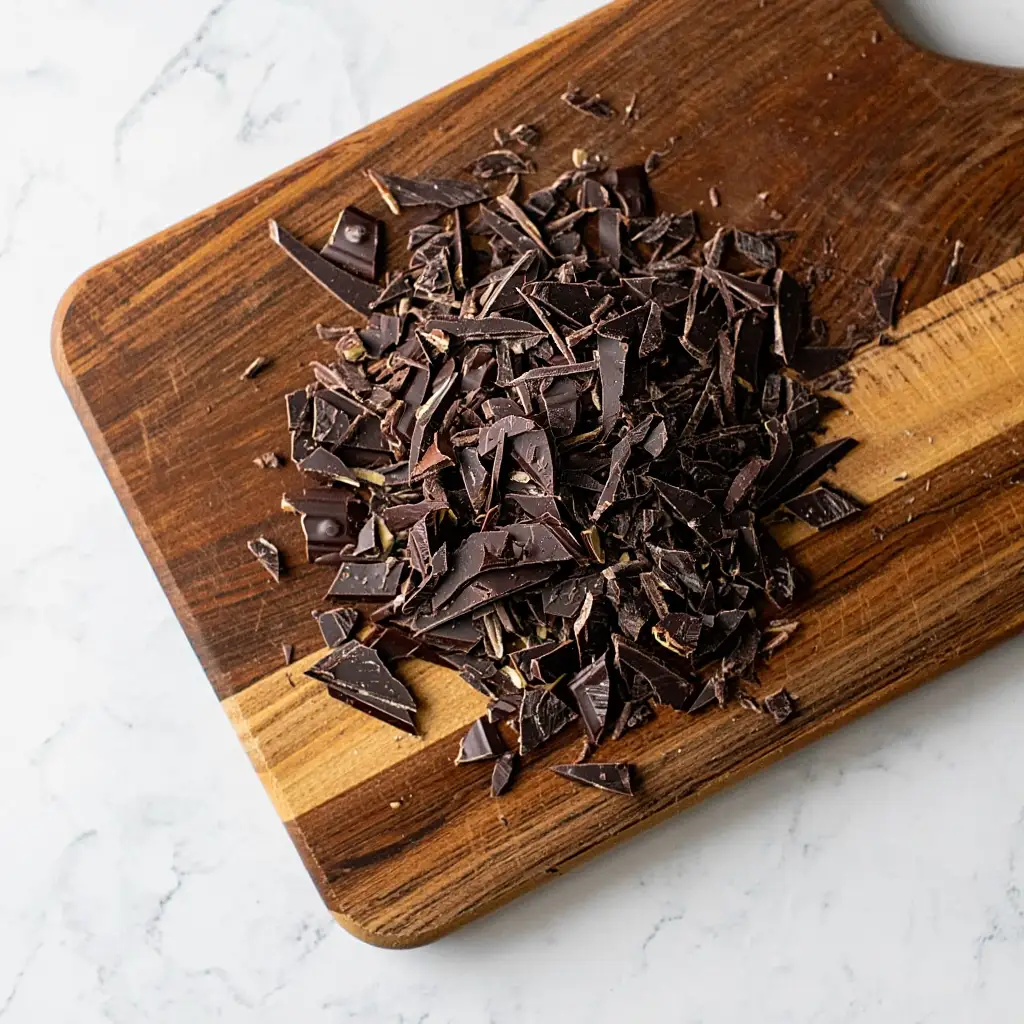
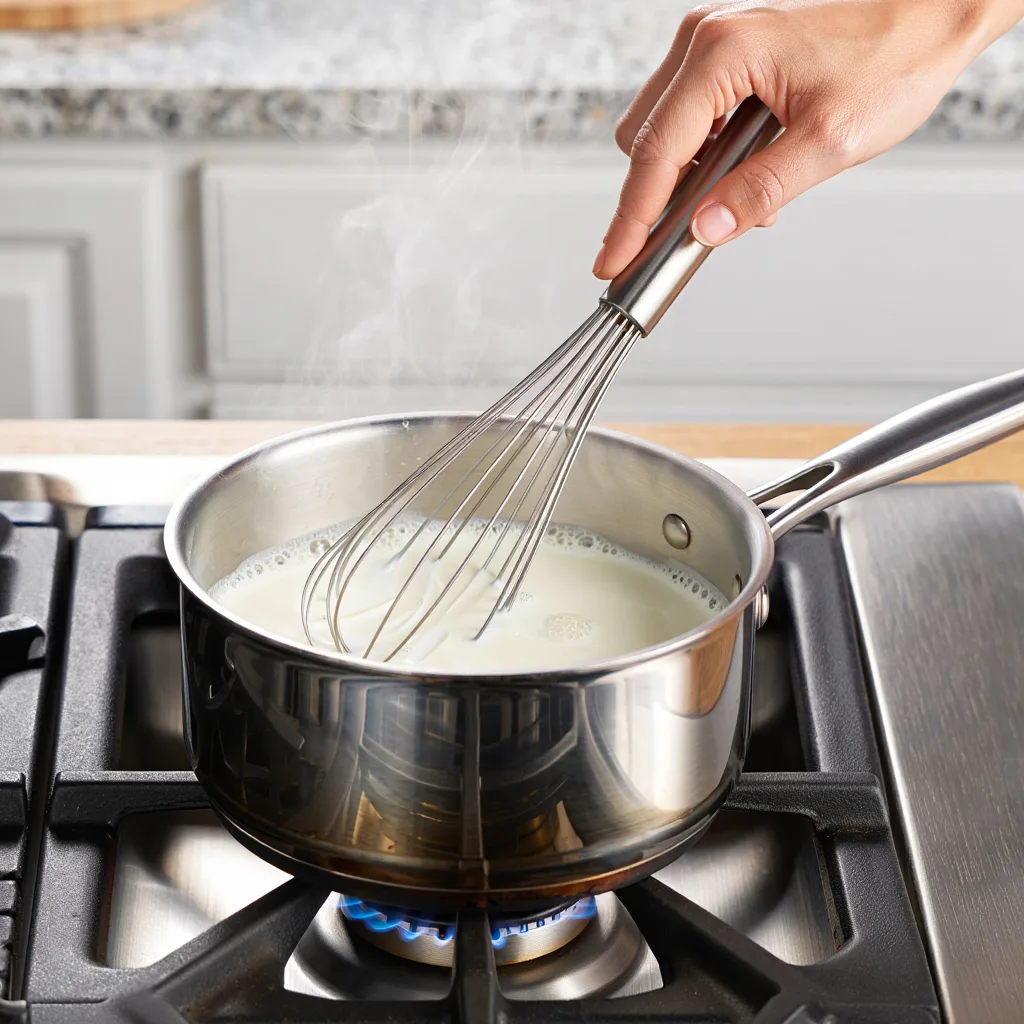
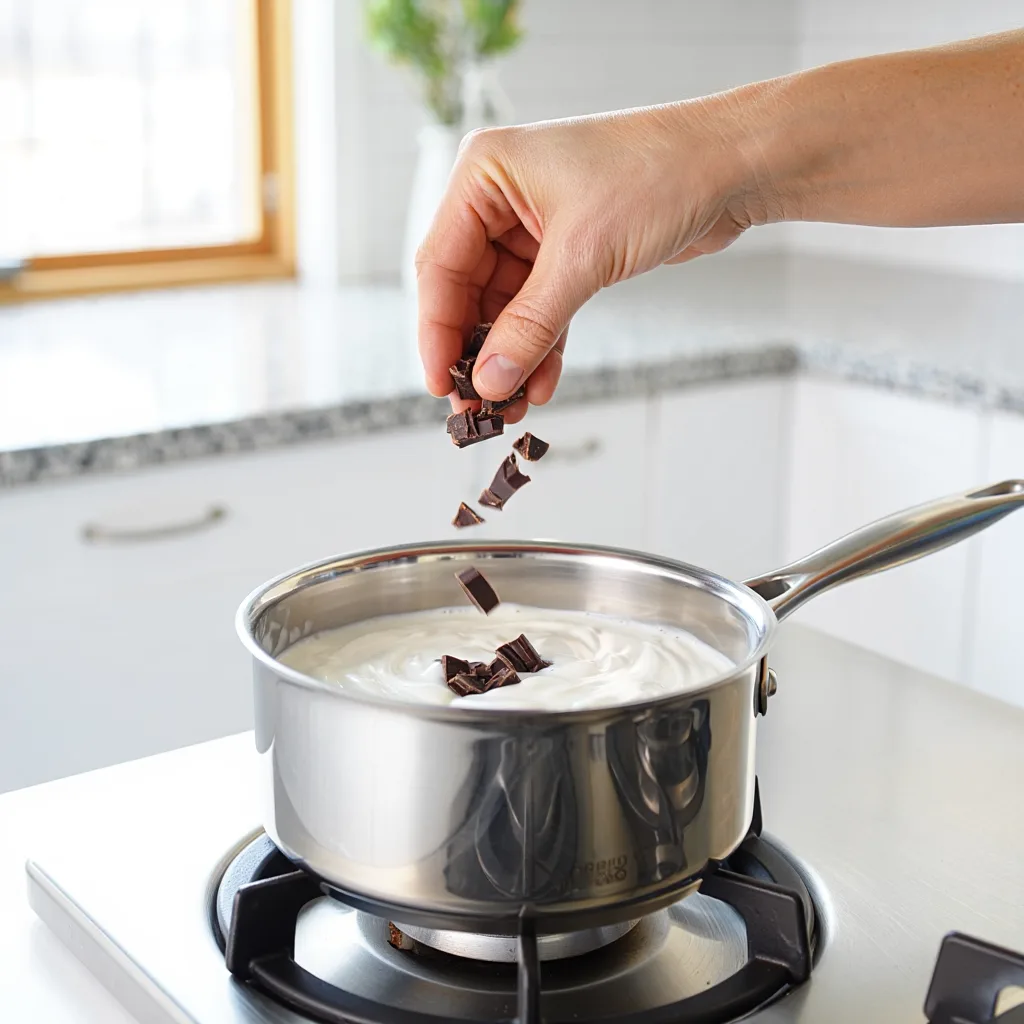
Step 1: Prep Your Chocolate
What to do:
Finely chop 200g dark chocolate into pieces no larger than a chocolate chip. Place in a small bowl near the stove.
Why it matters:
Fine pieces melt faster and more evenly. Large chunks require longer heating, which risks scorching the milk or overheating the chocolate (causing it to seize).
What to look for:
Chocolate pieces should be roughly uniform in size. If you have a food processor, pulse 10-12 times until finely chopped but not powdered.
Pro Tip: Let chocolate come to room temperature before using. Cold chocolate from the fridge takes longer to melt and can shock-cool the milk, making emulsification harder.
Step 2: Heat the Milk Slowly
What to do:
Pour 500ml whole milk into a heavy-bottomed saucepan (this matters – thin pots scorch easily). Add vanilla extract and salt. Heat over medium-low heat, whisking occasionally, until the milk is steaming hot and small bubbles appear around the edges – about 6-8 minutes.
Why it matters:
Slow heating prevents scorching on the bottom of the pan and prevents a milk skin from forming on top. When I rushed this on medium-high heat, I got burnt milk flavor that ruined the whole batch.
What to look for:
• Steam rising from the surface
• Tiny bubbles forming around the pan edges (NOT a rolling boil)
• Temperature around 80-85°C (176-185°F) if using a thermometer
• Milk should smell sweet and slightly caramelized, not burnt
Common visual cue: When you can’t comfortably hold your hand 2 inches above the milk for more than 3 seconds, it’s ready.
Flavor Booster: Add a cinnamon stick or 2 strips of orange peel during heating for subtle spice notes. Remove before adding chocolate.
Step 3: Add Chocolate Off Heat
What to do:
Remove the saucepan completely from the heat. Add all the chopped chocolate at once. Let it sit for 30 seconds without touching it.
Why it matters:
This is THE most critical step. Chocolate seizes (turns grainy and separates) when overheated. Off-heat addition gives you control. That 30-second rest allows the chocolate to start softening before you stir.
What went wrong when I skipped this: I once added chocolate while the pan was still on the burner. The bottom chocolate overheated immediately, seized into grainy bits, and I had to throw out the whole batch.
What to look for:
After 30 seconds, the chocolate pieces should look glossy and slightly melted around the edges.
Texture Trick: Don’t stir yet. Let residual heat do the initial melting work.
Step 4: Whisk Until Silky Smooth
What to do:
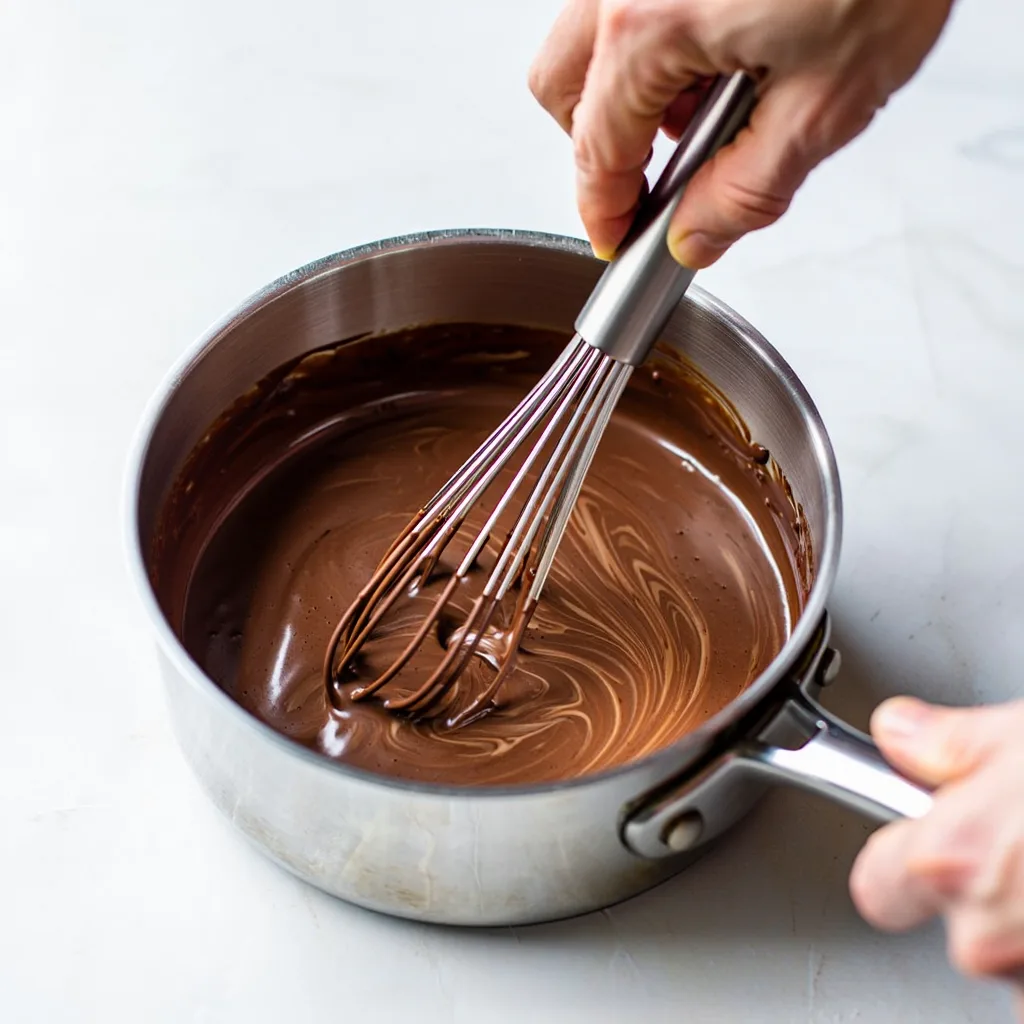
Using a whisk (not a spoon), gently stir in slow circles, scraping the bottom of the pan. Continue whisking for 1-2 minutes until the chocolate is completely melted and the mixture is glossy and uniform.
Why it matters:
Gentle whisking incorporates the chocolate without adding too much air (which creates foam instead of velvety texture). A spoon doesn’t work as well – you need the whisk wires to break up any chocolate clumps.
What to look for:
• Mixture turns from streaky to uniformly dark brown
• Liquid becomes noticeably thicker
• Glossy sheen appears on the surface (this is proper emulsification)
• No visible chocolate chunks remain
Pro Tip: If you see any grainy bits, your chocolate was too hot. You can sometimes save it by whisking in 1-2 tablespoons of cold milk to cool it down quickly.
Step 5: Simmer to Thicken
What to do:
Return the pan to medium-low heat. Bring to a very gentle simmer (small bubbles breaking the surface, not a rolling boil). Whisk constantly for 3-4 minutes. The mixture will thicken noticeably and develop a light foam on top.
Why it matters:
This simmering step is what makes French hot chocolate thicker than regular hot cocoa. It reduces the liquid slightly and helps the chocolate fully emulsify with the milk fat. When I skip this step, it tastes thin and watery.
What to look for:
• Mixture coats the back of a spoon and slowly drips off instead of running off
• Light tan foam forms on the surface
• Slight reduction in volume (you’ll notice the liquid level drop maybe 5mm)
• Steam rising but not vigorous bubbling
Common sensory cue: When you dip a spoon in and run your finger through the coating, the line should stay clean for 2-3 seconds before the chocolate runs back together.
Mistake I made: I let it boil once. The mixture frothed up violently, the chocolate separated, and I had to start over. Keep heat moderate.
Step 6: Taste and Adjust
What to do:
Remove from heat. Taste carefully (it’s hot!). If it’s too bitter for your preference, whisk in 1 tablespoon light brown sugar. Taste again.
Why it matters:
Parisian hot chocolate is less sweet than American hot cocoa. Try it unsweetened first to experience the authentic flavor – the vanilla provides natural sweetness. I add sugar maybe 1 out of every 5 times I make this.
What to look for:
Rich chocolate flavor with slight bitterness, creamy mouthfeel, not cloying sweetness.
Step 7: Serve Immediately
What to do:
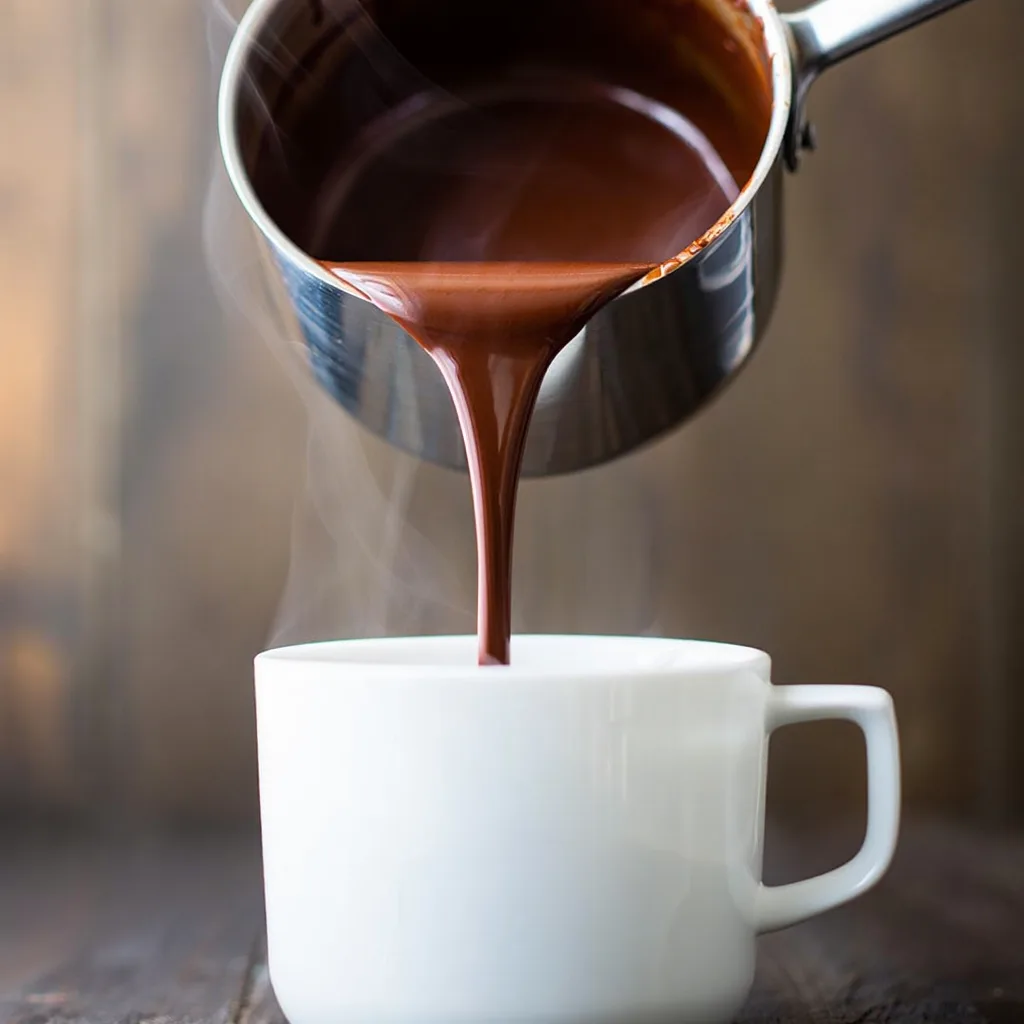
Pour into small cups or mugs (French serve this in 6-8 oz portions, not American 12 oz mugs – it’s very rich). Serve with a spoon.
Why it matters:
This thickens as it cools. It’s best enjoyed while still hot and pourable. If it sits for 10+ minutes, it becomes almost pudding-like.
Pro Tip: Warm your cups with hot water first, then dump out the water before pouring. Keeps the chocolate hot longer.
Common Mistakes I Made & How I Fixed Them
Mistake #1: The Chocolate Seized Into Grainy Bits
What went wrong:
My first attempt looked like chocolate-flavored cottage cheese. The mixture was grainy, separated, and completely undrinkable. I’d added chocolate chips to milk that was too hot, and they seized immediately.
Why it happened:
Chocolate seizes when it’s overheated or when water gets in (weirdly, even though we’re adding milk, which contains water). Chocolate chips contain stabilizers that make this worse. The temperature shock from adding cold chips to boiling milk also contributed.
What I changed next time:
• I now use chopped bar chocolate, never chips
• I remove the pan completely from heat before adding chocolate
• I heat milk to “steaming hot” not “boiling”
• Temperature stays around 80°C (176°F), never boiling at 100°C (212°F)
The fix if it happens: Sometimes you can save seized chocolate by whisking in 1-2 tablespoons of cold milk to drop the temperature quickly, but honestly, I usually just start over.
Mistake #2: I Scorched the Milk (And the Smell Was Awful)
What went wrong:
I tried to speed up the process by using medium-high heat. The milk scorched on the bottom of the pan, creating brown bits and a burnt smell that ruined the entire batch. The hot chocolate tasted like burnt popcorn mixed with chocolate.
Why it happened:
Milk proteins stick to hot metal and burn easily. Thin saucepans conduct heat unevenly, creating hot spots. High heat speeds this up.
What I changed next time:
• I now use a heavy-bottomed saucepan (my All-Clad or Le Creuset)
• I heat on medium-LOW, not medium-high
• I whisk every 30-60 seconds while heating to scrape the bottom
• I’m patient – it takes 6-8 minutes, and that’s okay
Mistake #3: I Used 85% Cacao Dark Chocolate (Way Too Bitter)
What went wrong:
I bought the darkest chocolate I could find, thinking “more cocoa = more chocolate flavor = better hot chocolate.” The result was intensely bitter, almost medicinal-tasting. Even adding 3 tablespoons of sugar couldn’t fix it.
Why it happened:
Very dark chocolate (80%+) has so little sugar that it’s meant for baking or eating in tiny amounts. For a drinkable hot chocolate, you need some natural sweetness from the chocolate itself.
What I changed next time:
I stick to 60-70% cacao. My favorite is Lindt 70% Excellence or Ghirardelli 60% Cacao Bittersweet. This gives deep chocolate flavor without requiring tons of added sugar.
Mistake #4: I Tried to Reheat Leftover Hot Chocolate in the Microwave
What went wrong:
I microwaved leftover hot chocolate from the fridge. It separated into a watery liquid with chocolate solids floating in it. Disgusting.
Why it happened:
Microwaves heat unevenly. The chocolate and milk fat separate when reheated too quickly without stirring. The emulsion breaks.
What I changed next time:
I now reheat leftovers on the stovetop over low heat, whisking constantly, until warm. Takes 3-4 minutes but the texture stays smooth. Or honestly, I just make smaller batches and drink it fresh.
Variations I Actually Tried
Spiced Chocolat Chaud (My Personal Favorite)
What worked:
I add 1 cinnamon stick and 2 strips of orange peel to the milk while heating. Remove before adding chocolate. The result is subtle warmth without overpowering the chocolate. The orange adds brightness.
What didn’t work:
Ground cinnamon – it doesn’t dissolve and leaves gritty texture. Star anise – too licorice-forward, clashed with the chocolate.
How texture/flavor changed:
Flavor became more complex, almost like Mexican hot chocolate but more refined. Texture unchanged.
When I use this version:
Holiday gatherings, cold winter evenings, or when I want something that feels a bit more special.
Vegan Chocolat Chaud
What worked:
Full-fat oat milk (Oatly Barista Edition) + dairy-free 65% dark chocolate (Enjoy Life or Hu Kitchen brands). The texture was nearly identical to the dairy version.
What didn’t work:
Almond milk – too thin, chocolate didn’t emulsify properly. Soy milk – it curdled when heated with chocolate (I think because of the acidity).
How texture/flavor changed:
Oat milk version is very slightly less creamy but still luxurious. Oat milk adds subtle sweetness. My vegan friends couldn’t tell the difference.
When I use this version:
When serving vegan guests or when I’m out of whole milk.
White Chocolate Version (For the Kids)
What worked:
Used 200g white chocolate (Ghirardelli) instead of dark. Much sweeter, almost like drinking white chocolate frosting.
What didn’t work:
White chocolate is finicky – it seized twice before I figured out it needs even lower heat than dark chocolate. Temperature must stay below 45°C (113°F) when melting.
How texture/flavor changed:
Sweeter, vanilla-forward, less “chocolatey.” My kids love it. I find it cloying after half a cup.
When I use this version:
Kid birthday parties, when I want something visually different, or as a base for peppermint white hot chocolate (add ⅛ tsp peppermint extract).
Nutritional Information
| Per Serving (250ml/1 cup) | Amount |
|---|---|
| Calories | 362 |
| Carbohydrates | 38g |
| Fat | 20g |
| Protein | 9g |
| Sugar | 32g |
| Fiber | 4g |
| Calcium | 290mg (23% DV) |
| Iron | 3.6mg (20% DV) |
Key vitamins/minerals:
Dark chocolate provides magnesium, iron, and flavonoids (antioxidants). Whole milk contributes calcium, vitamin D, and vitamin B12.
Note: Nutritional values calculated for 60% cacao dark chocolate with whole milk, no added sugar. Using sweeter chocolate or adding sugar increases carbs/calories.
Healthier Alternatives
Lower-Calorie Version
Swap: Use 2% milk instead of whole milk
Tradeoff: Saves about 35 calories per cup but texture is noticeably thinner and less silky. Chocolate may not emulsify as smoothly. Honestly not worth it for me – this is a treat, not everyday drink.
Higher Protein Version
Swap: Use Fairlife whole milk (ultra-filtered, higher protein)
Tradeoff: Adds 4g protein per cup with slightly thinner texture. Works well. I do this when I’m using it as a post-workout recovery drink (yes, really).
Lower Sugar Version
Swap: Use 70% cacao chocolate or 85% with added stevia
Tradeoff: More bitter, less sweet. The stevia version has a slight aftertaste I don’t love. I prefer just using 70% cacao chocolate and embracing the less-sweet Parisian style.
Serving Suggestions
Plating Ideas
Serve in small (6-8 oz) porcelain cups or cappuccino mugs. French café style is to pour from a small pitcher into the cup at the table. Dust very lightly with cocoa powder or flaky sea salt just before serving.
Side Pairings
• Classic: Plain butter croissant or brioche French toast for dunking
• American twist: Chocolate chip cookies or biscotti
• French afternoon goûter: Madeleines, palmiers, or fruit tart
• Breakfast pairing: Fluffy cottage cheese pancakes
Beverage Matches
This is rich enough that you don’t need another beverage, but if serving at brunch, offer sparkling water with lemon to cleanse the palate between sips.
Festive/Seasonal Variants
• Winter: Add peppermint extract (⅛ tsp) and crushed candy cane garnish
• Fall: Stir in 2 tablespoons pumpkin puree and pumpkin pie spice
• Spring: Add 1 tablespoon lavender buds to milk while heating (strain before adding chocolate)
Storage, Reheating & Real-Life Use
How It Holds Up Over Time
Texture changes: When refrigerated, the chocolate and milk fat separate slightly. You’ll see a layer of chocolate settle on the bottom. After reheating, texture is slightly less silky – maybe 85% as good as fresh.
Flavor changes: The chocolate flavor actually intensifies after a day in the fridge. The vanilla mellows. Not better or worse, just different.
Best Storage Method
Pour into an airtight container or jar. Press plastic wrap directly onto the surface (prevents skin from forming). Refrigerate up to 4 days. I’ve tested 5 days and it was fine but the milk started tasting “old.”
Don’t freeze: I tried freezing once. It completely separated and even after reheating and whisking, the texture was grainy. Not recommended.
Best Reheating Method
Pour into a small saucepan. Heat over low heat, whisking constantly, until steaming hot – about 3-4 minutes. Do NOT microwave (it separates immediately).
If it looks slightly separated after refrigeration, whisk vigorously while reheating and it usually comes back together.
What Changes After Reheating
The texture is slightly thinner and less glossy. The foam on top doesn’t redevelop. It tastes about 85% as good as fresh – still delicious, just not quite as luxurious.
Realistic Shelf Life
Fridge: 4 days maximum (depends on milk freshness)
Counter: Don’t leave out – milk spoils. Drink within 1 hour of making.
Real-Life Use Case
I make a double batch on Sunday afternoons, store it in a glass jar, and reheat individual portions throughout the week when I want a 4pm pick-me-up. By day 4, it’s noticeably less fresh so I usually make it every 3 days instead.
Expert Tips & Tricks
The Chocolate-to-Milk Ratio
Traditional Parisian ratio is 1:2.5 (chocolate to milk by weight). That’s 200g chocolate to 500g milk. For a thicker drink like Angelina’s famous Chocolat l’Africain, use 1:2 ratio. For breakfast-style thinner hot chocolate, use 1:3.
Why Temperature Matters (The Science)
Chocolate melts between 30-32°C (86-90°F). Above 49°C (120°F), cocoa butter starts to separate. Keep your milk between 80-85°C (176-185°F) – hot enough to melt chocolate but cool enough to prevent seizing.
The Whisking Technique
Use a gentle figure-8 motion, not vigorous beating. You want to incorporate the chocolate smoothly, not add air bubbles. Think “folding” rather than “whipping.”
Tools That Actually Help
• Heavy-bottomed saucepan: Essential. My Le Creuset or All-Clad work perfectly. Thin pans scorch milk.
• Balloon whisk: Better than flat whisk for smooth emulsification.
• Instant-read thermometer: Optional but helpful when learning. Aim for 80-85°C (176-185°F).
• Fine-mesh strainer: If you add spices (cinnamon stick, orange peel), strain before serving.
Who This Recipe Is / Is Not For
Ideal Audience
✅ You’ll love this recipe if:
• You’ve had hot chocolate in Paris and want to recreate it at home
• You’re comfortable working with melted chocolate and understand tempering basics
• You have 15 minutes to make this properly (it cannot be rushed)
• You own a heavy-bottomed saucepan
• You appreciate bittersweet chocolate flavor over sugary sweetness
• You’re okay with hand-whisking for several minutes
This Recipe Isn’t For You If:
❌ Skip this recipe if:
• You’re looking for instant hot cocoa you can make in 2 minutes – this requires patience
• You only have a thin saucepan (high risk of scorching milk)
• You strongly prefer milk chocolate or very sweet drinks (though you can adapt)
• You’re making this for a crowd of 10+ people (it doesn’t scale well beyond doubling)
• You want to use cocoa powder instead of bar chocolate (different technique entirely)
• You expect to make this while doing three other kitchen tasks – it needs attention
Skill Level Required
Intermediate home cook. You need to understand:
• How to melt chocolate without seizing it
• What “steaming hot but not boiling” looks like
• How to whisk steadily for 5+ minutes
• When a mixture has properly thickened
If you’ve successfully made ganache, chocolate fondue, or stovetop pudding, you’ll be fine with this.
Case Study: When I Served This at a French-Themed Brunch
Last February, I hosted a French-themed brunch for eight friends. I made a triple batch of this chocolat chaud, serving it in small white porcelain cups with croissants for dunking. I also put out whipped cream and cinnamon for people to customize.
The reaction was interesting: Three people immediately said “this isn’t sweet enough” and reached for the sugar. Two people got quiet and just kept drinking, clearly transported. One friend said “Oh! This is what hot chocolate is supposed to taste like” and asked for the recipe. The last two were skeptical at first but by the second sip, converted.
What I learned: American palates expect sweetness in hot chocolate. Warn your guests that this is less sweet and more intensely chocolatey than they’re used to. Offering sugar on the side helps people adjust it to their preference without offense.
The triple batch (1.5 liters) served 8-10 people in small portions. I reheated it twice during the brunch – it held up well with gentle reheating and constant whisking.
Final Thoughts
I make this probably twice a month during cold weather – sometimes exactly as written, sometimes with the cinnamon-orange variation I love. The technique is now second nature: slow-heated milk, chocolate added off-heat, patient whisking, gentle simmer. When I get it right, it’s deeply satisfying in a way that instant cocoa never is.
Next time I make it, I want to try using Venezuelan dark chocolate from a local chocolatier – I’m curious if single-origin chocolate makes a noticeable difference, or if I’m overthinking it.
If you try this recipe, let me know which chocolate you use and whether you add sugar. I’m always curious how people adapt it to their taste. Make it this weekend, pour it into a small cup, and pretend you’re sitting at a Parisian café watching the world go by.
FAQs
Q1: Why did my French hot chocolate turn grainy and separate?
Your chocolate seized, usually from overheating. Chocolate seizes when heated above 120°F or when water droplets get in. To prevent this: remove the pan from heat before adding chocolate, make sure your chocolate is chopped into small uniform pieces, and heat milk to “steaming hot” not “boiling.” If it happens, try whisking in 1-2 tablespoons of cold milk immediately to cool it down – sometimes this saves it, but often you’ll need to start over.
Q2: Can I use cocoa powder instead of bar chocolate?
Not for this recipe. French chocolat chaud specifically uses melted bar chocolate for its thick, ganache-like texture. Cocoa powder makes traditional hot cocoa, which is thinner and tastes different. The cocoa butter in bar chocolate is what creates that silky mouthfeel. If you want to use cocoa powder, you need a completely different recipe with different ratios.
Q3: Is French hot chocolate really served in small portions?
Yes! Traditional Parisian servings are 6-8 oz (180-240ml), served in cappuccino cups or small tea cups, not American 12-16 oz mugs. This is very rich – the chocolate-to-milk ratio is much higher than regular hot cocoa. A small serving is surprisingly satisfying. When I’ve served this in large mugs, people rarely finish it because it’s so decadent.
Q4: What’s the difference between French hot chocolate and Italian hot chocolate?
Italian cioccolata calda is much thicker – almost pudding-like – because it uses cornstarch as a thickener. French chocolat chaud gets its thickness purely from the high ratio of chocolate to milk, creating a pourable but velvety drink. Italian hot chocolate is spoonable; French hot chocolate is drinkable but thick. Think: Italian = pudding consistency, French = melted ganache consistency, American = thin cocoa consistency.
Q5: Can I make French hot chocolate ahead for a party?
Yes, but with caveats. Make it up to 4 hours ahead and keep it warm in a slow cooker on the lowest setting, whisking every 20 minutes. It will thicken considerably as it sits – you may need to whisk in extra warm milk to thin it back out (add ¼ cup at a time). For best results, I recommend making it no more than 1 hour ahead. The texture and flavor are noticeably better when fresh. If serving a crowd, consider making it in batches rather than one huge pot.
Q6: Why isn’t my hot chocolate thickening?
Three possible reasons: (1) You didn’t use enough chocolate – the ratio should be 200g chocolate to 500ml milk. (2) You didn’t simmer it long enough after adding chocolate – it needs 3-4 minutes of gentle simmering to thicken and properly emulsify. (3) Your milk wasn’t hot enough before adding chocolate – cold milk won’t allow proper melting. To fix thin hot chocolate: return to heat and simmer 2-3 more minutes, whisking constantly. You can also add 25-50g more chopped chocolate.
Q7: What chocolate brands work best for French hot chocolate?
Best readily-available brands: Lindt Excellence 70%, Ghirardelli 60% Cacao Bittersweet Chips, Valrhona (any % between 60-70%), Trader Joe’s Pound Plus Dark Chocolate. Avoid: chocolate chips with stabilizers, chocolate with vegetable oil instead of cocoa butter, chocolate above 75% cacao (too bitter for most people), and white chocolate baking bars that contain no cocoa solids. The key is real chocolate with cocoa butter as the primary fat.
Recipe Card Summary
French Hot Chocolate (Chocolat Chaud)
Prep Time: PT5M
Cook Time: PT10M
Total Time: PT15M
Servings: 2 (8 oz servings) or 3-4 (6 oz servings)
Calories per serving: 362 kcal (8 oz serving)
Ingredients:
• 500ml (2 cups) whole milk, full-fat
• 200g (7 oz) dark chocolate (60-70% cacao), finely chopped
• ½ teaspoon vanilla extract
• Tiny pinch fleur de sel or sea salt
• 1 tablespoon light brown sugar (optional)
Instructions:
- Chop chocolate finely into pieces no larger than chocolate chips. Set aside.
- Heat milk in heavy-bottomed saucepan over medium-low heat with vanilla and salt, whisking occasionally, until steaming hot and tiny bubbles form around edges (6-8 minutes). Do not boil.
- Add chocolate by removing pan from heat completely. Add all chopped chocolate at once. Let sit 30 seconds.
- Whisk smooth by stirring gently in slow circles for 1-2 minutes until chocolate completely melts and mixture is glossy and uniform.
- Simmer to thicken: Return pan to medium-low heat. Bring to gentle simmer (small bubbles, not rolling boil). Whisk constantly for 3-4 minutes until mixture thickens and light foam forms.
- Taste and adjust by removing from heat. Add brown sugar if desired. Taste and adjust.
- Serve immediately in small cups (6-8 oz portions). Serve with a spoon.
- Storage: Refrigerate leftovers in airtight container up to 4 days. Reheat on stovetop over low heat, whisking constantly. Do not microwave.