Table of Contents
The first time I made garlic butter shrimp at home, I ended up with rubbery, fishy-tasting shrimp swimming in a separated, burned garlic mess. My husband politely pushed them around his plate while I Googled “why does my shrimp suck” in the kitchen. Turns out, I was doing three things catastrophically wrong: cooking cold shrimp, adding garlic too early, and using way too much heat. Once I figured out the actual technique high heat for the shrimp, gentle heat for the butter sauce, garlic added at the exact right moment everything changed.
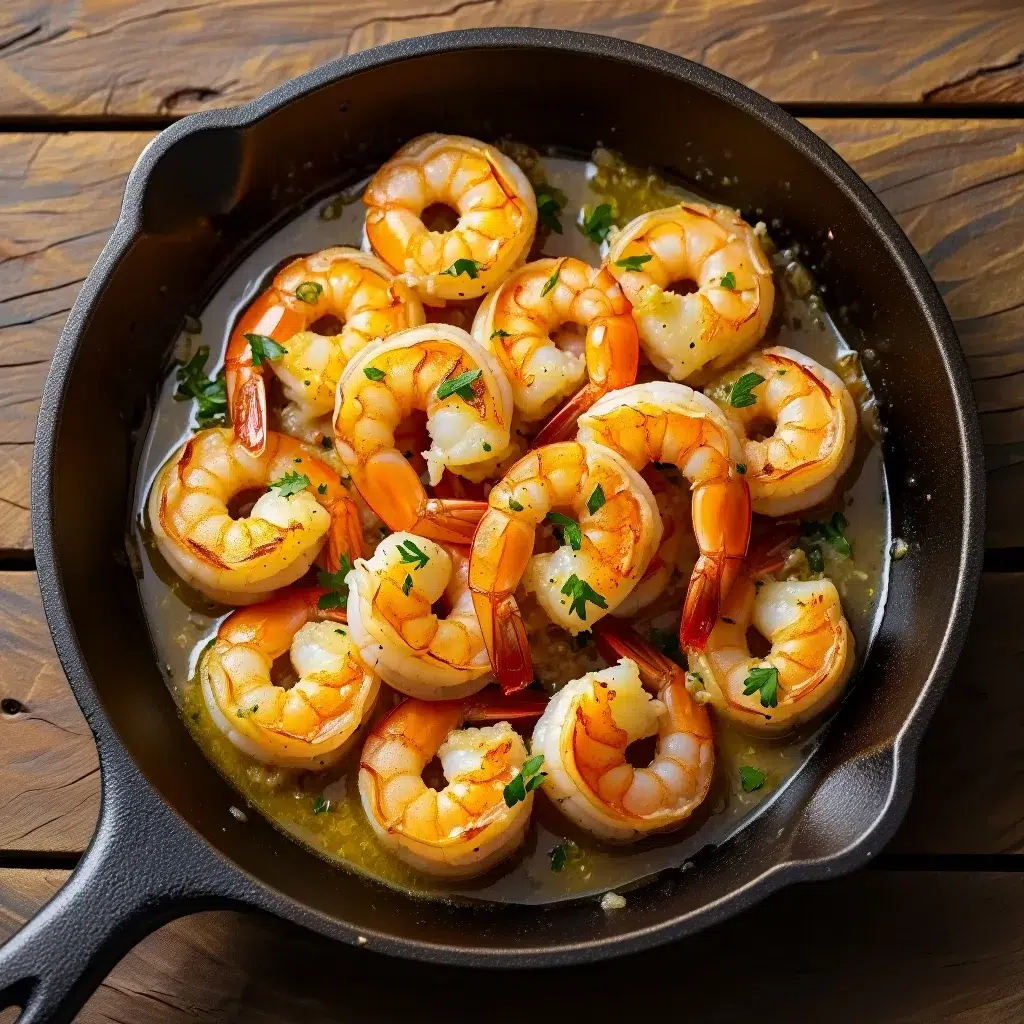
Now this recipe takes twelve minutes start to finish and tastes better than the twenty-dollar appetizer at our favorite Italian place. The shrimp get these beautiful caramelized edges while staying tender inside, and the garlic infuses the butter without turning bitter. I make this at least twice a month now, usually when I need something impressive but genuinely don’t have the energy for complicated cooking.
Why This Recipe Actually Works
The secret to restaurant-quality garlic butter shrimp isn’t exotic ingredients it’s understanding when to apply heat and when to hold back. Shrimp cook in about two minutes per side, but garlic burns in under thirty seconds at high heat. The solution is a two-stage cooking method: sear the shrimp fast and hard to get that golden crust and sweet caramelization, then remove them and build your garlic butter sauce at medium-low heat. This keeps the garlic aromatic and golden instead of black and acrid.
Room temperature shrimp are crucial because cold protein hitting a hot pan causes uneven cooking the outside toughens before the inside is done. Patting them completely dry creates the surface tension needed for proper browning. The butter needs to be real butter (not margarine) because milk solids are what create that nutty, complex flavor when they lightly toast. Adding a splash of white wine or lemon juice at the end creates an emulsion that keeps the sauce glossy instead of greasy, and the acidity brightens everything so the dish doesn’t feel heavy.
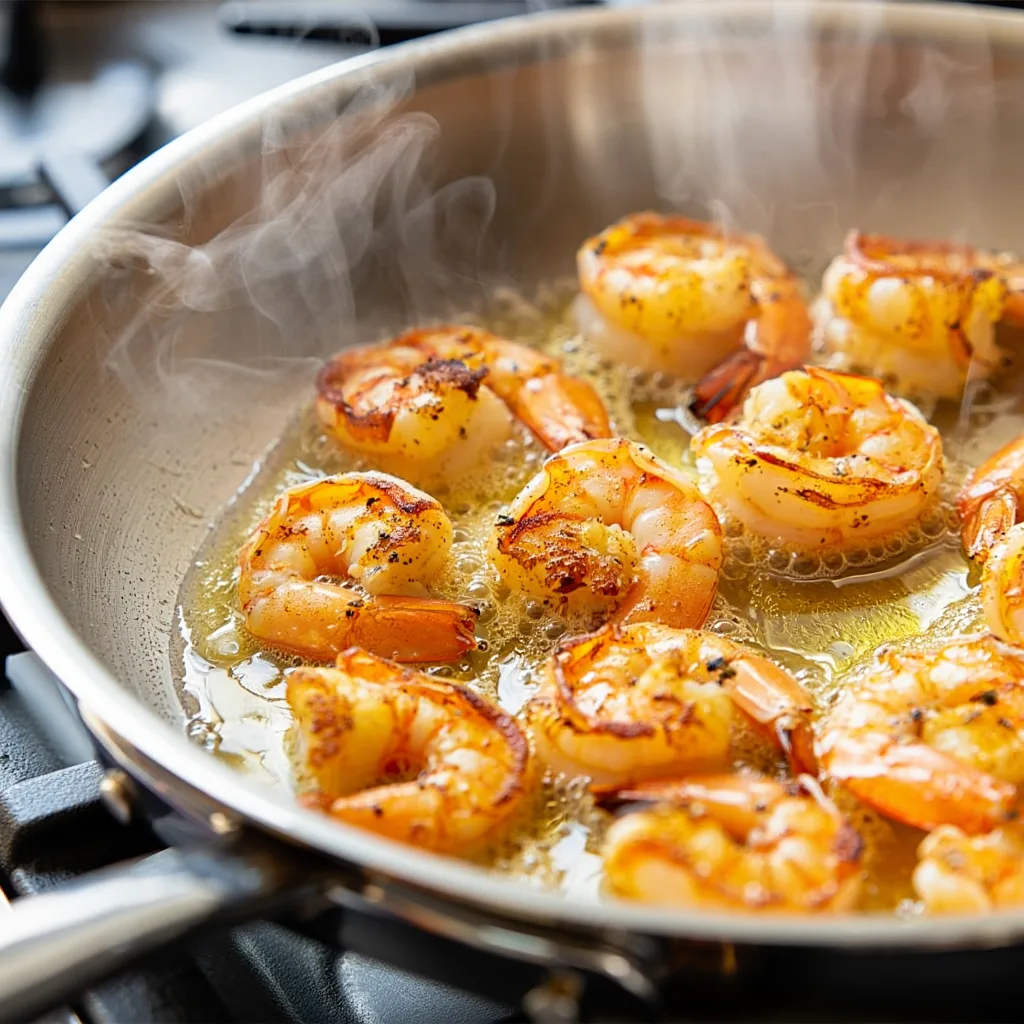
The C-shaped curl is your visual doneness cue shrimp that curl into tight circles are overcooked and rubbery. You want them pink and opaque with just a slight curve, which happens right around the two-minute mark per side for large shrimp.
Ingredients
For the Shrimp:
- 1.5 lbs large shrimp (16-20 count), peeled and deveined, tails on – Tail-on looks better and gives you something to hold, but tail-off works fine for pastas or rice bowls. If using frozen, thaw overnight in the fridge and pat aggressively dry. Wild-caught Gulf or MSC-certified shrimp have better flavor and texture than cheap farmed shrimp.
- 1 teaspoon kosher salt – Diamond Crystal preferred; if using Morton’s, use 3/4 teaspoon. Salt draws out surface moisture, which helps with browning.
- 1/2 teaspoon black pepper – Freshly ground has more complexity than pre-ground.
- 1/4 teaspoon smoked paprika – This adds color and a subtle depth without making it “smoky shrimp.” Regular paprika works but gives less dimension.
For the Garlic Butter Sauce:
- 4 tablespoons unsalted butter, divided – Unsalted lets you control seasoning. European-style butter (higher fat content) creates a richer sauce but regular works perfectly.
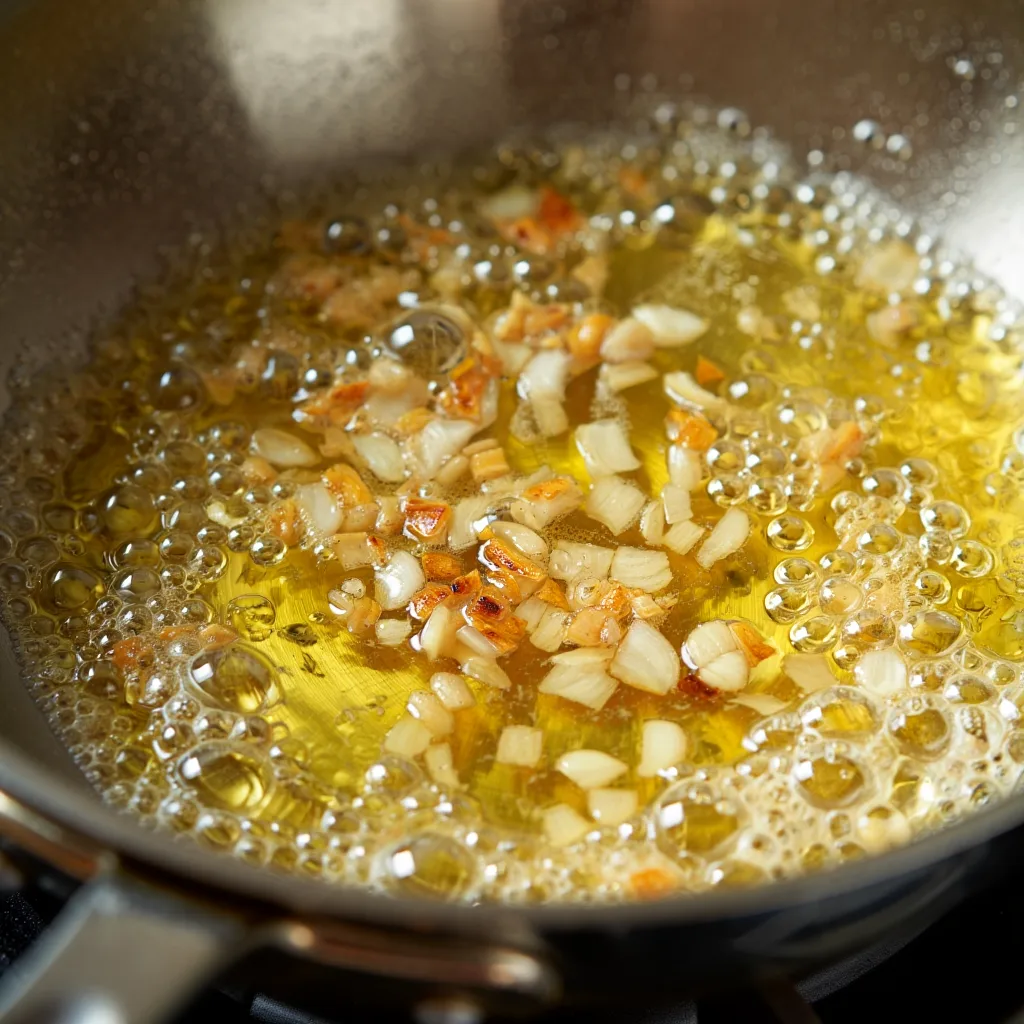
- 6 cloves garlic, minced – Fresh only. Jarred garlic has a tinny taste and doesn’t caramelize properly. Mince it fine so it distributes evenly and cooks faster.
- 1/4 cup dry white wine – Sauvignon Blanc, Pinot Grigio, or even dry vermouth. Skipping this? Use 2 tablespoons lemon juice + 2 tablespoons water. Never use “cooking wine” it’s salted garbage.
- 2 tablespoons fresh lemon juice – Bottled works in a pinch but fresh is brighter. Meyer lemons are sweeter if you have them.
- 1/4 teaspoon red pepper flakes – Optional heat. Start conservative; you can always add more at the table.
- 3 tablespoons fresh Italian parsley, chopped – Flat-leaf parsley, not curly. Curly is for garnishing sad banquet chicken. This adds freshness and cuts the richness. Substitute: fresh basil or cilantro if you’re going fusion.
Equipment Note: Cast iron or stainless steel skillet (10-12 inch). Nonstick doesn’t get hot enough for proper searing and the coating can degrade at high heat with seafood.
Step-by-Step Instructions
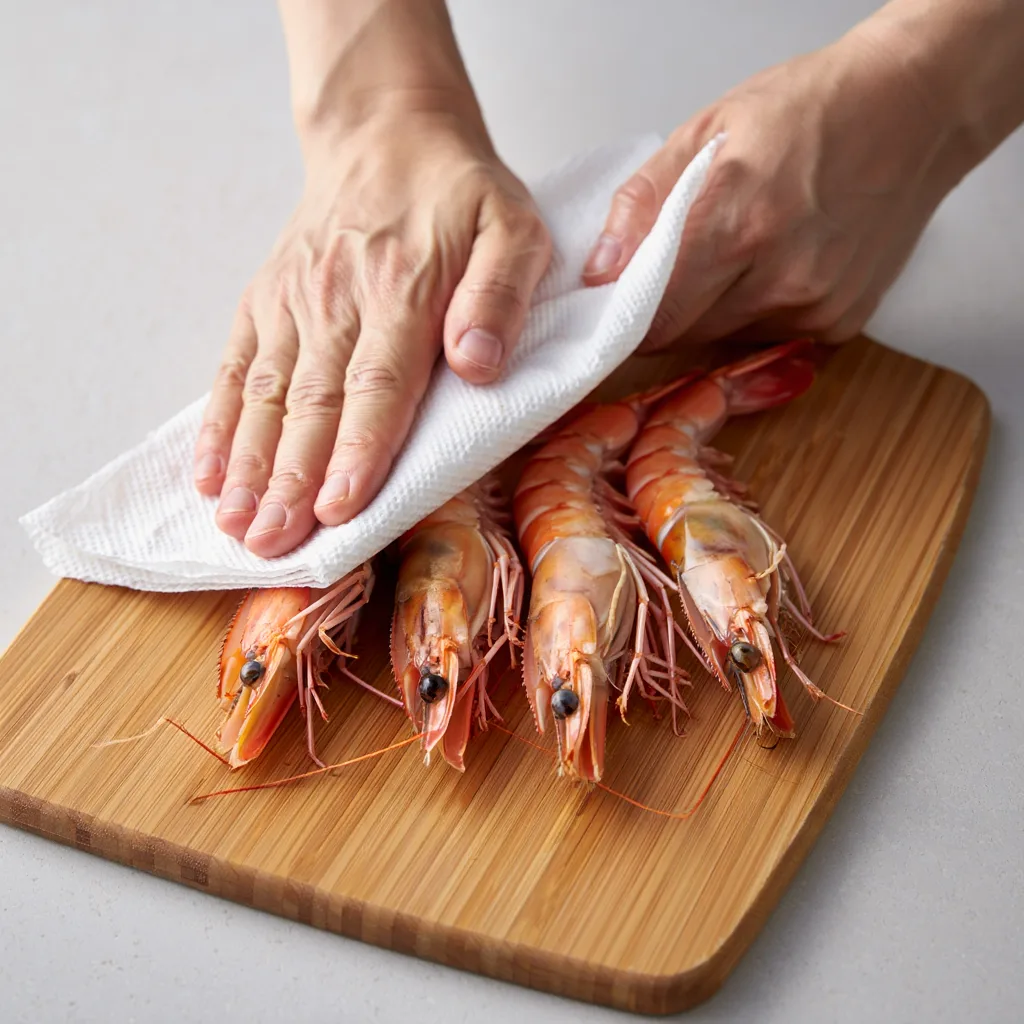
Prep the shrimp (do this first while your pan heats): Pat shrimp completely dry with paper towels like, aggressively dry. Any moisture will steam them instead of searing them. Place shrimp in a bowl and toss with salt, pepper, and paprika. Let them sit on the counter for 10 minutes to come to room temperature. This isn’t food safety paranoia room temp shrimp cook evenly and don’t cool down your pan.
Heat your skillet over medium-high heat for 2-3 minutes. You want it properly hot. Add 2 tablespoons of butter and swirl to coat the pan. When the butter just starts to foam and smell nutty (not brown), you’re ready. If it immediately turns dark brown, your heat is too high.
Sear the shrimp in a single layer without crowding (work in batches if needed). You should hear a sharp sizzle when they hit the pan. Cook exactly 2 minutes without moving them this is when the caramelization happens. Flip and cook another 90 seconds to 2 minutes until just pink and opaque with a slight C-curve. They should still look barely translucent in the very center; carryover heat will finish them. Transfer to a plate immediately.
Reduce heat to medium-low. Add remaining 2 tablespoons butter. Once melted, add minced garlic and red pepper flakes. Stir constantly for 45-60 seconds until the garlic is fragrant and just beginning to turn golden. You’ll smell it shift from raw to aromatic. If it starts browning too fast, pull the pan off heat for a moment burned garlic ruins everything.
Deglaze with wine, scraping up any browned bits stuck to the pan (that’s pure flavor). Let it simmer for 1-2 minutes until reduced by about half you’ll notice it thickens slightly and the alcohol smell mellows. Add lemon juice and swirl the pan. The sauce should look glossy and slightly emulsified, not separated and greasy.
Return shrimp to the pan along with any accumulated juices. Toss everything together for 30-45 seconds just to coat the shrimp in sauce and warm them through. Do NOT cook them longer or they’ll turn rubbery. Kill the heat, add fresh parsley, toss once more, and serve immediately.
Troubleshooting
Why does my garlic butter shrimp turn out rubbery?
Overcooked shrimp are rubbery shrimp. Cook large shrimp for exactly 2 minutes per side, removing them while still slightly translucent in the center. Carryover heat finishes cooking. Cold shrimp also cook unevenly, causing tough exteriors, so always bring them to room temperature first.
The other culprit is cooking them twice once during searing, then again when you add them back to the sauce. That second addition should be 30-45 seconds maximum, just to coat and warm, not to cook further.
Why does my garlic burn before the shrimp cooks?
You’re adding garlic during the high-heat sear. Garlic needs gentle, medium-low heat and constant stirring. Always sear the shrimp first at high heat, remove them, then reduce heat significantly before adding garlic. This two-stage method prevents burning.
If your garlic still burns, your heat is too high or you’re walking away from the pan. Garlic requires active babysitting stay at the stove and keep it moving.
Why is my garlic butter sauce watery or separated?
Separated sauce happens when butter breaks instead of emulsifying. The wine or lemon juice needs to reduce until slightly thickened before you reintroduce the shrimp about half its original volume. The butter should be added at medium-low heat, not high. Whisking or swirling constantly helps create emulsion.
Watery sauce means you didn’t reduce the liquid enough. Let that wine simmer until you can see the pan bottom briefly when you stir, then proceed.
Can you make garlic butter shrimp with frozen shrimp?
Absolutely. Thaw them overnight in the fridge in a colander set over a bowl to catch drips. Before cooking, rinse them under cold water, then pat them extremely dry frozen shrimp hold more moisture than fresh. Otherwise, follow the exact same method. Texture-wise, good-quality frozen shrimp (especially IQF individually quick frozen) are often better than “fresh” shrimp that have been sitting at the seafood counter for days.
How do you know when garlic butter shrimp is done?
Visual cues: pink and opaque color throughout with just a slight translucent line down the center, gentle C-shaped curve (not tight O-shape), and firm but springy texture when pressed. Time-wise: 2 minutes first side, 90 seconds to 2 minutes second side for 16-20 count shrimp. Smaller shrimp cook faster; jumbos take slightly longer.
What goes well with garlic butter shrimp?
Crusty bread for soaking up sauce is non-negotiable. Beyond that: pasta (linguine, angel hair, or orzo), rice (white, wild, or cauliflower rice for low-carb), zucchini noodles, mashed potatoes, roasted vegetables, or a simple arugula salad. I often just eat them straight from the pan with good bread and call it dinner.
Variations
15-Minute Shrimp Scampi Pasta
Cook 8 oz linguine while you make the shrimp. Toss the pasta directly into the garlic butter sauce with a splash of pasta water to create a silkier sauce. Add extra lemon zest and parsley. Dinner done.
Spicy Cajun Garlic Shrimp
Replace paprika with 1 teaspoon Cajun seasoning. Add an extra 1/2 teaspoon red pepper flakes to the garlic butter. Finish with a squeeze of lime instead of lemon. Serve over creamy grits.
Asian-Style Garlic Shrimp
Skip the wine and lemon. After cooking garlic, add 2 tablespoons soy sauce, 1 tablespoon rice vinegar, 1 teaspoon sesame oil, and 1 teaspoon honey. Garnish with scallions and sesame seeds instead of parsley. Serve over jasmine rice.
Dairy-Free Garlic Shrimp
Replace butter with ghee (clarified butter, which is lactose-free) or use a quality olive oil + vegan butter blend. Cooking method stays identical.
Mediterranean Garlic Shrimp
Add 1 cup halved cherry tomatoes and 1/4 cup sliced Kalamata olives to the sauce. Throw in a handful of fresh spinach at the end. Finish with crumbled feta. Incredible over orzo.
Meal Prep Version
Cook the shrimp and make the sauce, but keep them separate. Store shrimp in one container, sauce in another, both refrigerated up to 3 days. When ready to eat, gently reheat sauce in a pan, add shrimp for 30 seconds just to warm. This prevents overcooking during storage.
Storage & Reheating
Refrigerator: Store in an airtight container for up to 3 days. The shrimp will continue absorbing the garlic flavor, which isn’t a bad thing. Keep the sauce and shrimp together to prevent them from drying out.
Freezing: I don’t recommend freezing cooked shrimp they get mushy and rubbery when thawed. If you must freeze, undercook them by about 30 seconds, freeze the sauce separately, and use within 1 month.
Reheating: This is where most people ruin leftovers. Never microwave you’ll get rubber pucks. Instead, reheat gently in a skillet over low heat for 1-2 minutes, just until warmed through. Add a tablespoon of butter or splash of white wine to refresh the sauce. Alternatively, let them come to room temperature and toss them cold into a salad or pasta dish where ambient heat will gently warm them.
Texture Preservation: Shrimp are best eaten fresh, but if storing, slightly undercook them initially. The reheating process will bring them to perfect doneness.
FAQ (Snippet Optimized)
Can I use pre-cooked shrimp for garlic butter shrimp?
No. Pre-cooked shrimp are already fully cooked and will turn rubbery if you sear them. This recipe requires raw shrimp for proper caramelization and texture. If you only have pre-cooked shrimp, make the garlic butter sauce separately and gently toss the shrimp in at the very end just to coat, with no additional cooking.
Do you need to marinate shrimp before making garlic butter shrimp?
No marinating needed. A 10-minute room temperature rest with salt, pepper, and paprika is sufficient. Marinades can actually make shrimp mushy because the acid breaks down proteins. Save time and skip the marinade the garlic butter sauce provides all the flavor you need.
What’s the best size shrimp for garlic butter recipes?
Large shrimp (16-20 count per pound) are ideal because they’re substantial enough to develop a caramelized crust while staying tender inside. Smaller shrimp overcook too quickly, while jumbos can be tough. If using medium shrimp, reduce cooking time to 90 seconds per side.
Should you rinse shrimp before cooking?
Yes, briefly rinse thawed shrimp under cold water to remove any residual ice or packaging liquid, then pat them completely dry. Rinsing fresh shrimp is optional but drying is mandatory moisture prevents browning and causes steaming instead of searing.
How much garlic should I use for shrimp?
Six cloves for 1.5 pounds of shrimp creates a balanced, aromatic sauce without overwhelming the delicate shrimp flavor. Garlic lovers can go up to 8 cloves, but beyond that, you’re eating garlic with shrimp instead of shrimp with garlic butter. The butter and wine help mellow the garlic’s intensity.
Can you make garlic butter shrimp without wine?
Yes. Replace wine with 2 tablespoons lemon juice plus 2 tablespoons low-sodium chicken broth or water. The acidity and liquid are what matter for deglazing and creating the sauce emulsion. Dry vermouth also works well and lasts longer in the fridge than open wine.
What can I substitute for fresh parsley in garlic butter shrimp?
Fresh basil offers a sweeter, Italian-leaning flavor. Cilantro works for Asian-fusion versions. Fresh chives add mild onion notes. Dried parsley lacks the brightness and fresh flavor, so if you have no fresh herbs, finish with lemon zest instead for that pop of freshness.
Is garlic butter shrimp keto-friendly?
Yes. Shrimp are zero-carb protein, butter is pure fat, and garlic adds minimal carbs. Skip any flour-based thickeners and avoid sweet wines. Total carbs are around 3-4g per serving, making this naturally keto and low-carb friendly. Serve over zucchini noodles or cauliflower rice.
Final Thoughts (Experience Close)
This recipe is perfect for anyone who wants restaurant-quality seafood without the restaurant price tag or the hour-long cooking commitment. I’ve served this to guests who claim they don’t like shrimp and watched them scrape the pan clean. It’s become my default “I need to feel like I have my life together” weeknight dinner because it’s genuinely fast but feels special.
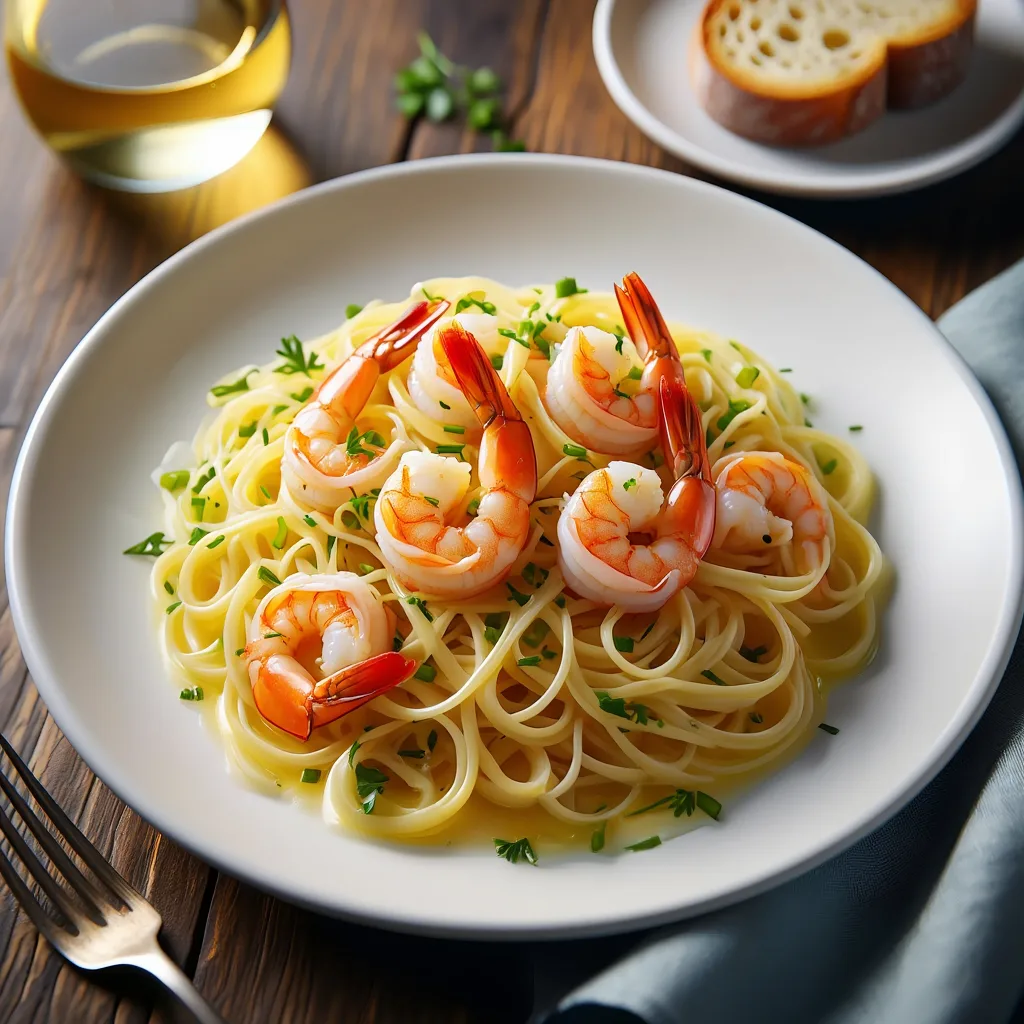
Serve it with crusty bread and a simple arugula salad, or toss it with pasta for something more substantial. If you’re cooking for someone who’s skeptical about seafood, this is your gateway recipe the garlic butter is familiar and comforting, and properly cooked shrimp don’t have that fishy taste or rubbery texture people associate with bad seafood.
The best part? Once you nail the technique high heat for protein, gentle heat for garlic you can apply it to scallops, chicken, or even firm white fish. But start here. Make it once, realize how easy it actually is, and you’ll understand why I keep two pounds of shrimp in my freezer at all times.