Table of Contents
Introduction
Ever wondered, “how long is pizza good for in the fridge” before reluctantly tossing out those leftover slices? You’re not alone! This common dilemma plagues pizza lovers everywhere. While the thought of a quick, delicious meal from last night’s indulgence is tempting, food safety is paramount. But what exactly are the rules, and how can you ensure your beloved pizza remains both tasty and safe to eat?
In this comprehensive guide, we’ll dive deep into the science of pizza storage, debunk common myths, and provide actionable tips to extend the life of your leftovers without compromising on health or flavor. Get ready to transform your pizza-storing habits and enjoy every last bite with confidence!
Understanding Pizza Shelf Life: The Basics
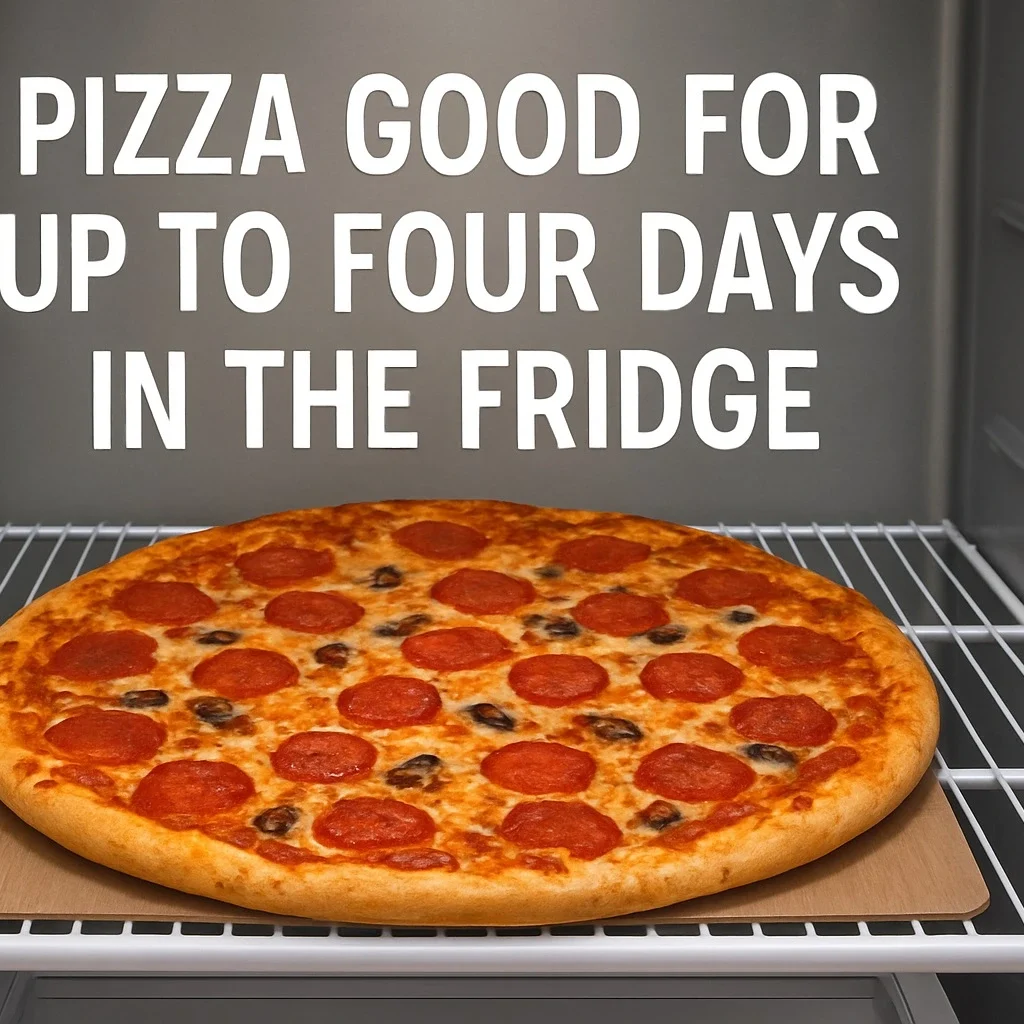
So, how long is pizza good for in the fridge? The general consensus from food safety experts, including the USDA, is that leftover pizza is safe to eat for 3 to 4 days when stored properly in the refrigerator. This timeframe is crucial for preventing the growth of harmful bacteria that can lead to foodborne illnesses.
The Danger Zone: Why Temperature Matters
The key to understanding pizza shelf life lies in what food safety experts call the “danger zone.” This is the temperature range between 40°F (4°C) and 140°F (60°C) where bacteria multiply most rapidly. Any perishable food, including pizza, should not be left in this zone for more than two hours. If your pizza has been sitting out at room temperature for longer than that, it’s best to discard it, regardless of how fresh it might still look or smell.
Factors Affecting Shelf Life
Several factors can influence how long your pizza truly lasts:
•Ingredients: Pizzas with high-moisture toppings like fresh vegetables or certain meats might spoil faster than a plain cheese or pepperoni pizza.
•Storage Method: Proper storage is critical. Simply placing the pizza box back in the fridge isn’t ideal. We’ll cover best practices for storage shortly.
•Initial Handling: How quickly the pizza was refrigerated after cooking also plays a significant role. The sooner it cools down and gets into the fridge, the better.
Step-by-Step: Storing Pizza for Maximum Freshness
To ensure your pizza stays good for as long as possible within the 3-4 day window, follow these steps:
1.Cool it Down Quickly: Don’t put hot pizza directly into the fridge, as it can raise the internal temperature of the refrigerator and affect other foods. Let it cool down at room temperature for no more than two hours.
2.Portion and Wrap: Cut your pizza into individual slices. This allows for quicker cooling and easier storage.
3.Airtight is Key:
•Wrap individual slices tightly in plastic wrap or aluminum foil.
•Alternatively, place slices in an airtight container. This prevents air exposure, which can lead to dryness and spoilage.
4.Layer Smartly: If stacking slices, place a piece of parchment paper or wax paper between them to prevent sticking.
5.Refrigerate Promptly: Place the wrapped or contained pizza in the coldest part of your refrigerator.
Nutritional Information (General Considerations)
While specific nutritional information for leftover pizza can vary greatly depending on the type of pizza, toppings, and portion size, it’s important to be mindful of its general caloric and fat content. A typical slice of pizza can range from 250-400 calories, with varying amounts of carbohydrates, protein, and fat. Reheating methods can also slightly alter the nutritional profile.
•Calories: Varies widely by crust, cheese, and toppings.
•Fat: Often high, especially with processed meats and extra cheese.
•Sodium: Can be significant due to cheese and cured meats.
•Carbohydrates: Primarily from the crust.
Healthier Alternatives for Your Pizza Cravings
Even when discussing how long is pizza good for in the fridge, it’s worth considering healthier approaches to enjoying this beloved dish. If you’re looking to reduce the caloric impact or increase the nutritional value of your pizza experience, consider these alternatives:
•Cauliflower Crust: A popular low-carb, gluten-free option that significantly reduces calorie and carbohydrate content.
•Load Up on Veggies: Maximize your vegetable toppings for added fiber, vitamins, and minerals. Think bell peppers, mushrooms, onions, spinach, and tomatoes.
•Lean Protein: Opt for leaner protein sources like grilled chicken breast or turkey pepperoni instead of high-fat meats.
•Reduced Cheese: While cheese is delicious, using less can cut down on fat and calories. Explore options like part-skim mozzarella.
•Homemade is Best: Making pizza at home gives you full control over ingredients, allowing you to choose whole-wheat crusts, fresh ingredients, and healthier sauces.
Serving Suggestions: Reheating Your Leftover Pizza
Knowing how long is pizza good for in the fridge is only half the battle; reheating it properly is crucial for taste and safety. Nobody wants a soggy or rubbery slice! Here are some of the best methods to bring your leftover pizza back to life:
•Oven/Toaster Oven (Recommended for Crispy Crust): Preheat your oven to 350-375°F (175-190°C). Place slices directly on the rack or on a baking sheet. Cook for 8-12 minutes, or until the cheese is melted and the crust is crispy. For an extra crispy bottom, place a cast-iron skillet in the oven while it preheats, then transfer the pizza to the hot skillet.
•Skillet/Frying Pan (Quick & Crispy): Place slices in a non-stick skillet over medium heat. Cook for 2-3 minutes until the bottom is crispy. Add a few drops of water to the pan (not on the pizza) and cover with a lid for another minute or two to melt the cheese and steam the toppings.
•Air Fryer (Fast & Even): Preheat air fryer to 325-350°F (160-175°C). Place slices in a single layer, ensuring not to overcrowd. Cook for 3-6 minutes, checking frequently, until hot and crispy.
•Microwave (Quickest, but can be Soggy): While the fastest, it often results in a chewy crust. Place a glass of water in the microwave with your pizza to help keep the crust from becoming too hard. Microwave for 30-60 seconds, or until heated through.
Common Mistakes to Avoid When Storing Pizza
Even with the best intentions, mistakes happen. Here are some common pitfalls to avoid when storing your pizza, ensuring you don’t compromise on the answer to “how long is pizza good for in the fridge”:
1.Leaving it Out Too Long: As mentioned, the 2-hour rule is critical. Any longer, and bacteria can multiply to unsafe levels.
2.Storing in the Pizza Box: Cardboard boxes are not airtight and can absorb moisture, leading to dry, stale pizza and accelerating spoilage. They also don’t protect against refrigerator odors.
3.Not Wrapping Properly: Loose wrapping allows air exposure, which dries out the crust and toppings and can lead to freezer burn if freezing.
4.Overcrowding the Fridge: A packed refrigerator can impede air circulation, leading to uneven cooling and potentially warmer spots where bacteria can thrive.
5.Reheating Multiple Times: While you can reheat pizza, repeatedly heating and cooling the same slice increases the risk of bacterial growth. It’s best to reheat only the amount you plan to eat.
Storing Tips for the Recipe (Beyond the Fridge)
Beyond just knowing how long is pizza good for in the fridge, you might wonder about longer-term storage options, especially if you have a large amount of leftover pizza or want to prepare it in advance.
Freezing Pizza for Longer Shelf Life
Freezing is an excellent option for extending pizza’s shelf life significantly. When properly frozen, pizza can last for 1 to 2 months without a significant loss in quality. Here’s how to do it:
1.Cool Completely: Ensure the pizza is completely cooled before freezing to prevent ice crystals from forming.
2.Pre-freeze (Optional but Recommended): For individual slices, place them on a baking sheet lined with parchment paper and freeze for 1-2 hours until solid. This prevents them from sticking together.
3.Wrap Tightly: Wrap each slice or section tightly in plastic wrap, then in aluminum foil. This double layer protects against freezer burn.
4.Airtight Container/Freezer Bag: Place the wrapped pizza in a freezer-safe bag or an airtight container, removing as much air as possible.
5.Label and Date: Always label your frozen pizza with the date to keep track of its freshness.
To reheat from frozen, you can often place the frozen slices directly into a preheated oven or toaster oven, adding a few extra minutes to the cooking time.
Expert Tips & Tricks for Pizza Longevity
Beyond the basic guidelines for “how long is pizza good for in the fridge,” these expert tips can help you maximize the enjoyment and safety of your leftover pizza:
•The Paper Towel Trick: When reheating in the microwave, place a paper towel under your slice to absorb excess moisture and prevent sogginess.
•Crispy Crust Revival: If your crust is a bit soft after refrigeration, a quick minute or two directly on a hot, dry skillet (no oil needed) can bring back its crispiness.
•Portion for Future Meals: If you know you won’t eat all the leftovers within 3-4 days, immediately portion and freeze some slices. This proactive approach prevents waste.
•Don’t Over-Reheat: Reheat only until the pizza is hot and the cheese is melted. Over-reheating can dry out the pizza and make it less appealing.
•Consider the Toppings: Pizzas with creamy sauces or delicate vegetables might not hold up as well as those with robust toppings like pepperoni or sausage. Adjust your expectations and consumption timeline accordingly.
Common Mistakes to Avoid (Specific to Pizza)
Beyond general food safety, here are some common errors people make specifically with pizza that can impact its quality and safety:
•Not Cooling Properly Before Refrigeration: Placing hot pizza directly into the fridge can raise the internal temperature of the refrigerator, potentially putting other foods into the danger zone.
•Stacking Slices Without Separation: This can lead to soggy crusts and makes it harder to reheat individual slices evenly.
•Using the Microwave as the Primary Reheating Method: While quick, it often results in a rubbery crust and unevenly heated toppings. Prioritize oven or skillet methods for better quality.
•Ignoring Visual or Olfactory Cues: Even if within the 3-4 day window, if your pizza looks moldy, has an off-smell, or feels slimy, it’s best to discard it. Trust your senses!
•Reheating Pizza with Certain Toppings: Some toppings, like fresh basil or delicate greens, are best added after reheating to prevent them from wilting or becoming unappetizing.
Real-World Scenarios: Why Proper Storage Matters
Let’s consider a common scenario: you order a large pizza for a party, and there are plenty of slices left over. Instead of leaving them on the counter overnight (a common mistake!), imagine you immediately portioned and wrapped each slice individually, then placed them in an airtight container in the fridge. Fast forward three days: you’re craving a quick lunch.
You pull out a perfectly preserved slice, reheat it in the oven, and enjoy a delicious, safe meal. This simple act of proper storage prevented potential foodborne illness and ensured you got to savor every last bit of your pizza. Conversely, leaving that same pizza out overnight would have rendered it unsafe to eat, leading to waste and potential health risks.
Conclusion
So, how long is pizza good for in the fridge? The golden rule is 3 to 4 days when stored correctly. By understanding the danger zone, practicing proper storage techniques, and reheating wisely, you can safely enjoy your leftover pizza. Don’t let those delicious slices go to waste! Try these tips and share your feedback in the comments below. Subscribe for more updates and culinary insights!
FAQs
Q1: Can I leave pizza out overnight?
A1: No, it is not safe to leave pizza out overnight. Perishable foods, including pizza, should not be left at room temperature for more than two hours due to the rapid growth of bacteria in the ‘danger zone’ (40°F to 140°F).
Q2: How can I tell if my leftover pizza has gone bad?
A2: Signs that your pizza has gone bad include a sour smell, a slimy texture, or the presence of mold. If you notice any of these signs, or if it has been in the fridge for more than 4 days, it’s best to discard it.
Q3: What’s the best way to reheat leftover pizza?
A3: The best methods for reheating pizza to achieve a crispy crust are using an oven, toaster oven, or a skillet. Microwaving is the quickest but often results in a soggy crust.
Q4: Can I freeze leftover pizza?
A4: Yes, you can freeze leftover pizza. When properly wrapped and stored in an airtight container or freezer bag, pizza can last in the freezer for 1 to 2 months. This is a great way to extend its shelf life.
Q5: Does the type of pizza affect how long it lasts?
A5: Yes, to some extent. Pizzas with high-moisture toppings (like fresh vegetables) or certain meats might spoil slightly faster than plain cheese or pepperoni pizzas. However, the 3-4 day rule for refrigeration generally applies to all types of pizza.
•Pizza Burgers Recipe
•URL: https://bestwayrecipes.com/pizza-burgers-recipe/
•Explanation: This recipe offers a creative take on pizza, providing a natural internal link for readers interested in different pizza-inspired dishes.
•English Muffin Breakfast Pizza
•URL: https://bestwayrecipes.com/english-muffin-breakfast-pizza/
•Explanation: Another unique pizza recipe that can be linked to discuss versatility and different forms of pizza, potentially touching on storage of smaller pizza items.
•BBQ Chicken Pizza Recipe
•URL: https://bestwayrecipes.com/bbq-chicken-pizza-recipe/
•Explanation: A popular pizza flavor that allows for discussion on how different toppings might affect storage and reheating, making it relevant to the main topic.
•How Long Does Pizza Last in the Fridge vs. Freezer – Green Lantern Pizza
•URL: https://greenlanternpizza.com/blog/how-long-does-pizza-last/
•Meta: “The USDA’s food safety guidelines state that leftover pizza will last in the refrigerator for up to four days — provided the two-hour rule was …”
•Pizza Storage 101: How Long Is Refrigerated Pizza Good For? – 7-Eleven
•URL: https://www.7-eleven.com/blog/food-and-drink/pizza-storage-101-how-long-is-pizza-good-for
•Meta: “Generally, properly stored pizza remains good for 3 to 4 days. The best approach involves allowing the pizza to cool slightly (without surpassing the two-hour …”
•How Long Is Pizza Good For In The Fridge? – Glowen
•URL: https://glowenoven.com/blogs/news/how-long-can-a-pizza-last-in-the-fridge
•Meta: “To keep your leftover pizza safe and delicious, store it in the fridge at 37°F (3°C) and eat it within 3-4 days.”