Table of Contents
Introduction
Are you navigating the world of gluten-free eating but still craving the rich, umami flavors that soy sauce brings to your favorite dishes? You’re not alone! Many people assume that all soy sauce contains gluten due to its traditional brewing process, which often includes wheat. However, the good news is that a growing number of delicious and authentic gluten free soy sauce options are now readily available.
This comprehensive guide will explore everything you need to know about choosing and using gluten-free soy sauce, ensuring your meals remain flavorful and safe for those with gluten sensitivities or celiac disease. We’ll delve into what makes a soy sauce gluten-free, highlight top brands, and provide tips for incorporating it seamlessly into your cooking. Get ready to unlock a world of flavor without compromise!
What is Gluten-Free Soy Sauce?
Traditional soy sauce, or shoyu, is typically made from a fermented paste of soybeans, roasted grain (usually wheat), brine, and Aspergillus oryzae mold. The wheat component is what makes conventional soy sauce unsuitable for those avoiding gluten. However, gluten free soy sauce offers a fantastic alternative, allowing individuals with celiac disease or gluten sensitivity to enjoy the same rich, savory flavor without adverse reactions.
How is Gluten-Free Soy Sauce Made?
The primary difference in the production of gluten-free soy sauce lies in the grains used during fermentation. Instead of wheat, gluten-free varieties often use rice or a higher proportion of soybeans. The most common type of gluten-free soy sauce is Tamari. While traditional soy sauce uses roughly equal parts soybeans and wheat, Tamari is typically made with little to no wheat, or sometimes entirely from soybeans. This distinction is crucial for its gluten-free status.
Here’s a simplified breakdown of the process:
•Soybeans: High-quality soybeans are cooked and then mixed with a starter culture (koji mold).
•Fermentation: This mixture is then combined with a brine solution and allowed to ferment for several months. During this period, enzymes break down the proteins and starches, developing the characteristic umami flavor.
•Pressing and Pasteurization: After fermentation, the liquid is pressed out, filtered, and pasteurized to stop the enzymatic activity and ensure stability. This final product is the gluten-free soy sauce.
It’s important to note that while Tamari is generally gluten-free, always check the label to ensure it’s certified gluten-free, as some brands may still contain trace amounts of wheat or be processed in facilities that handle wheat. Look for certifications from reputable organizations to guarantee its safety.
Why Choose Gluten-Free Soy Sauce?
The decision to opt for gluten free soy sauce extends beyond just dietary restrictions; it offers several benefits that can enhance your culinary experience and health. Understanding these advantages can help you make an informed choice for your pantry.
Health Benefits
For individuals with celiac disease, consuming even small amounts of gluten can lead to severe intestinal damage and a range of uncomfortable symptoms. Gluten sensitivity, while not as severe as celiac disease, can also cause digestive issues, fatigue, and other adverse reactions. By choosing certified gluten-free soy sauce, you eliminate the risk of gluten exposure, allowing you to enjoy Asian-inspired dishes without worry. This ensures digestive comfort and supports overall well-being.
Flavor Profile
Interestingly, many culinary enthusiasts argue that Tamari, the most common type of gluten-free soy sauce, often boasts a richer, more complex, and less salty flavor profile compared to traditional soy sauce. This is largely due to its higher concentration of soybeans and longer fermentation process. The absence of wheat can allow the deeper umami notes of the soybeans to shine through, offering a more profound and nuanced taste experience. This makes it a preferred choice for many chefs and home cooks, even those without gluten sensitivities, who are simply seeking a superior flavor.
Versatility in Cooking
Gluten-free soy sauce is incredibly versatile and can be used in all the same applications as traditional soy sauce. It’s perfect for:
•Marinades: Infuse meats, poultry, and tofu with savory depth.
•Stir-fries: Add a burst of umami to your vegetable and protein stir-fries.
•Dipping Sauces: Create flavorful dipping sauces for sushi, dumplings, and spring rolls.
•Dressings: Enhance the taste of salads and noodle dishes.
•Soups and Stews: Deepen the savory notes in broths and braises.
Its ability to seamlessly integrate into a wide array of recipes makes it an indispensable ingredient in any kitchen, catering to diverse culinary needs and preferences. Whether you’re cooking for yourself or entertaining guests with varying dietary requirements, gluten-free soy sauce ensures everyone can enjoy delicious, authentic flavors.
Top Gluten-Free Soy Sauce Brands
When it comes to choosing the best gluten free soy sauce, the market offers several excellent options. Each brand brings its unique characteristics to the table, from traditional Tamari to innovative blends. Here are some of the top brands widely recognized for their quality, flavor, and commitment to gluten-free standards:

1. Kikkoman Gluten-Free Tamari Soy Sauce
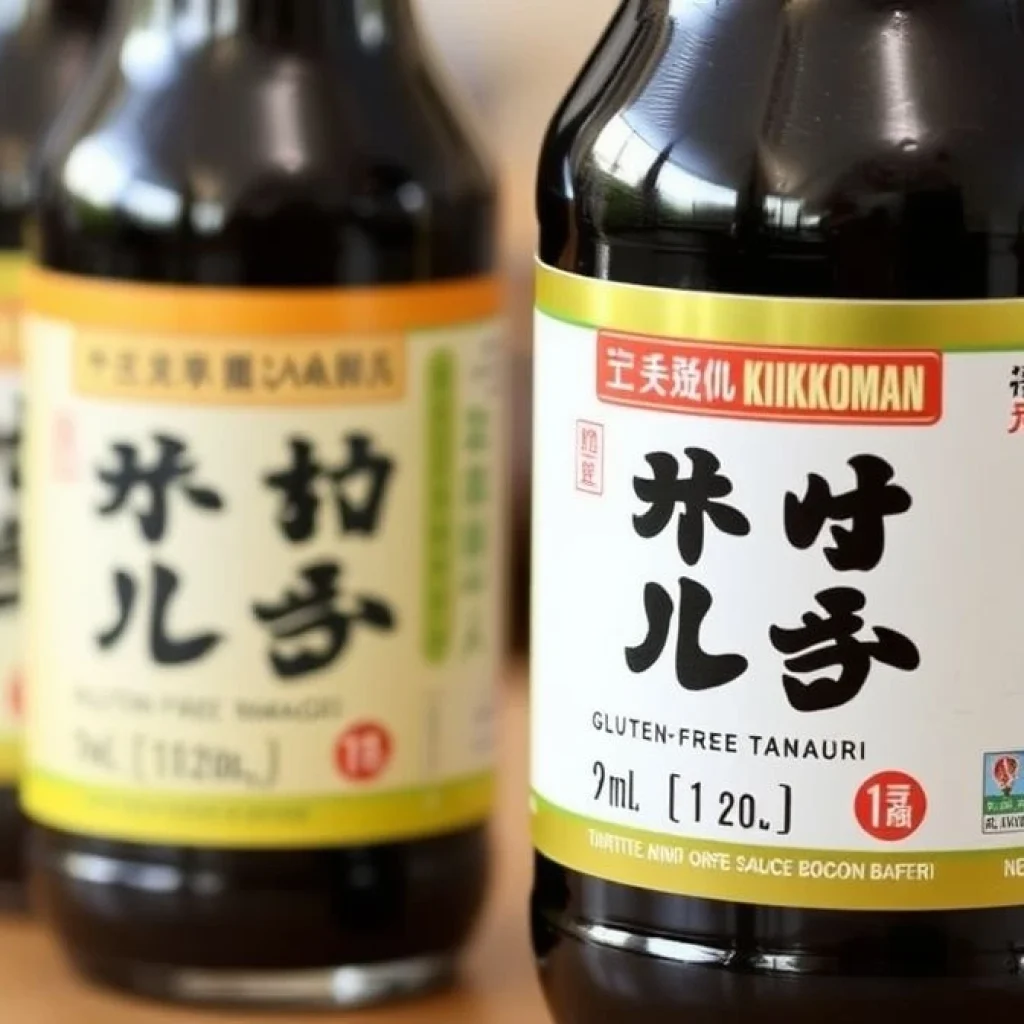
Kikkoman is a household name in the world of soy sauce, and their gluten-free Tamari is a standout product. It’s brewed in the traditional manner, but without wheat, resulting in a rich, savory flavor that’s very close to their regular soy sauce. This makes it an easy transition for those accustomed to Kikkoman’s classic taste. It’s certified gluten-free by the Gluten-Free Certification Organization (GFCO), ensuring strict quality control.
•Flavor Profile: Rich, deep umami, slightly less salty than some traditional soy sauces.
•Uses: Excellent for dipping, marinades, stir-fries, and general cooking.
•Availability: Widely available in most major grocery stores and online.
2. San-J Tamari Gluten-Free Soy Sauce
San-J is another highly respected brand, known specifically for its range of Tamari products. They offer various Tamari options, including organic, reduced-sodium, and even a white Tamari. San-J Tamari is made with 100% soybeans and no wheat, providing a clean, authentic flavor. Their commitment to quality and gluten-free certification makes them a trusted choice for many.

•Flavor Profile: Balanced, complex, and robust umami. Some varieties offer subtle sweetness.
•Uses: Versatile for all culinary applications, from Asian cuisine to everyday seasoning.
•Availability: Found in health food stores, specialty markets, and online.
3. Eden Organic Tamari Soy Sauce
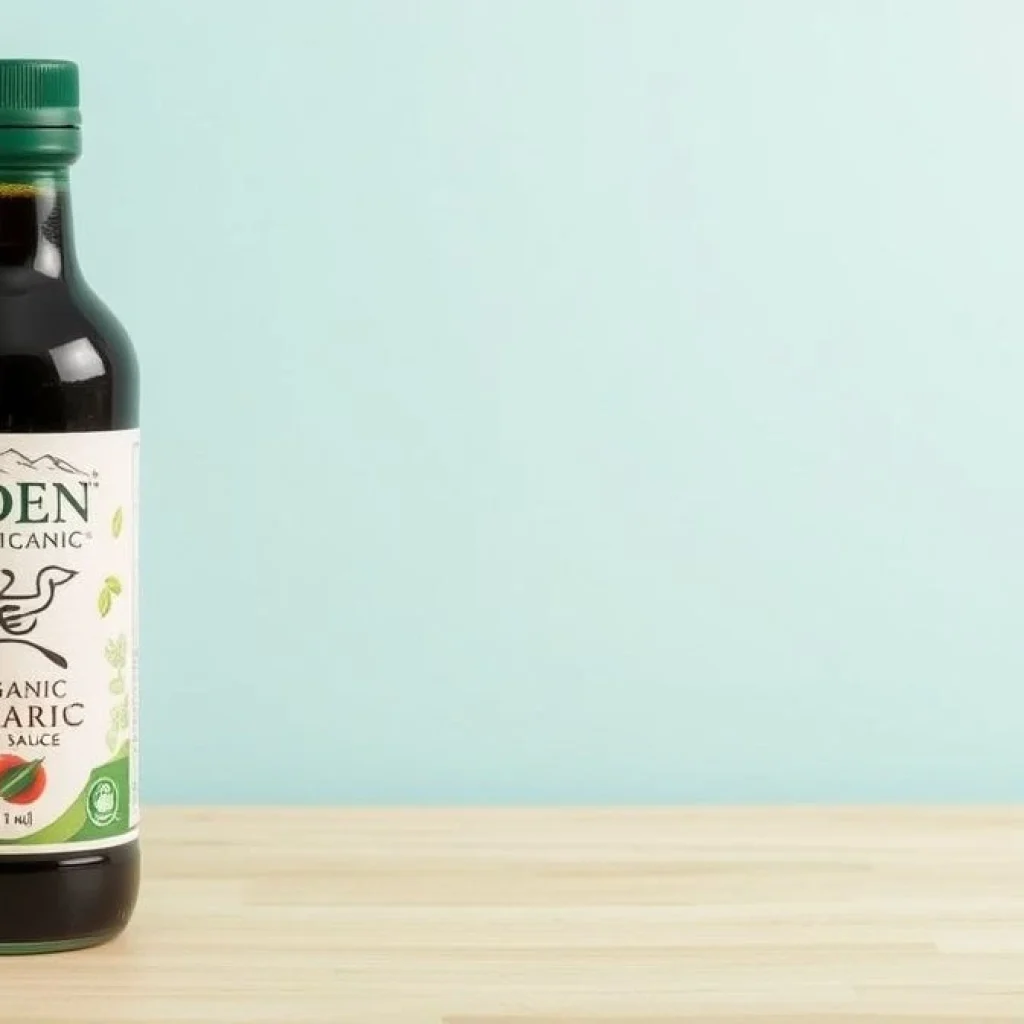
Eden Foods offers an organic, traditionally brewed Tamari that is wheat-free and gluten-free. Their Tamari is aged for two years, which contributes to its exceptionally deep and mellow flavor. It’s a premium option for those who prioritize organic ingredients and a more artisanal product.
•Flavor Profile: Mellow, rich, and deeply savory with a hint of sweetness.
•Uses: Ideal for enhancing the flavor of soups, stews, dressings, and as a finishing sauce.
•Availability: Primarily in organic and natural food stores, and online.
4. Bragg Liquid Aminos
While not a traditional soy sauce, Bragg Liquid Aminos is a popular gluten-free, non-GMO alternative often used in place of soy sauce. It’s made from non-GMO soybeans and purified water, containing 16 essential and non-essential amino acids. It has a milder, slightly sweeter flavor than Tamari.
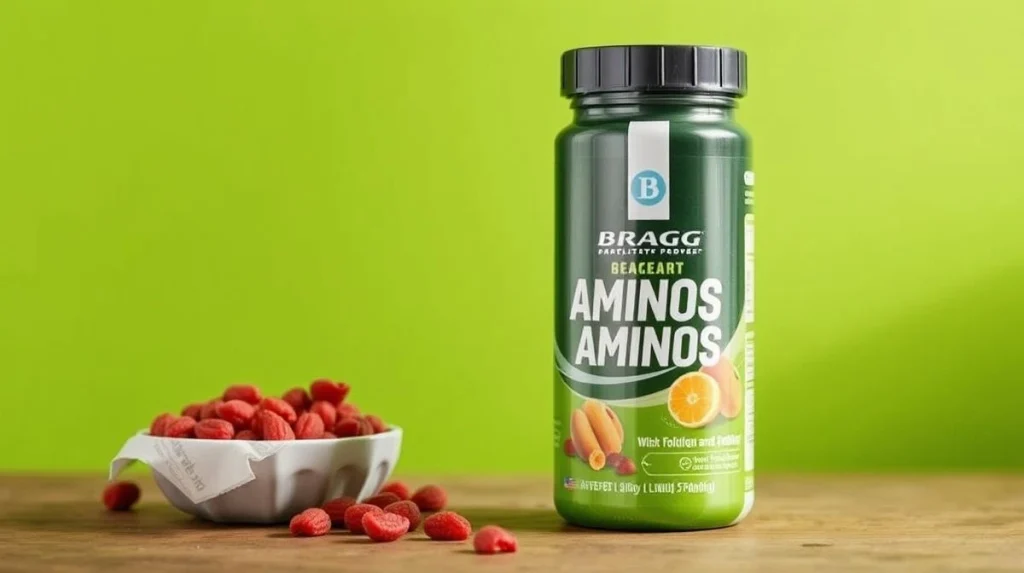
•Flavor Profile: Mild, savory, slightly sweet, and less salty than traditional soy sauce.
•Uses: Great for salads, dressings, marinades, and as a seasoning for vegetables and grains.
•Availability: Widely available in health food stores and many supermarkets.
5. Coconut Aminos
For those looking for a soy-free and gluten-free alternative, Coconut Aminos is an excellent choice. Made from the sap of coconut blossoms and sea salt, it offers a similar savory and slightly sweet flavor profile to soy sauce, though it is milder and less salty. It’s a fantastic option for individuals with both gluten and soy allergies.
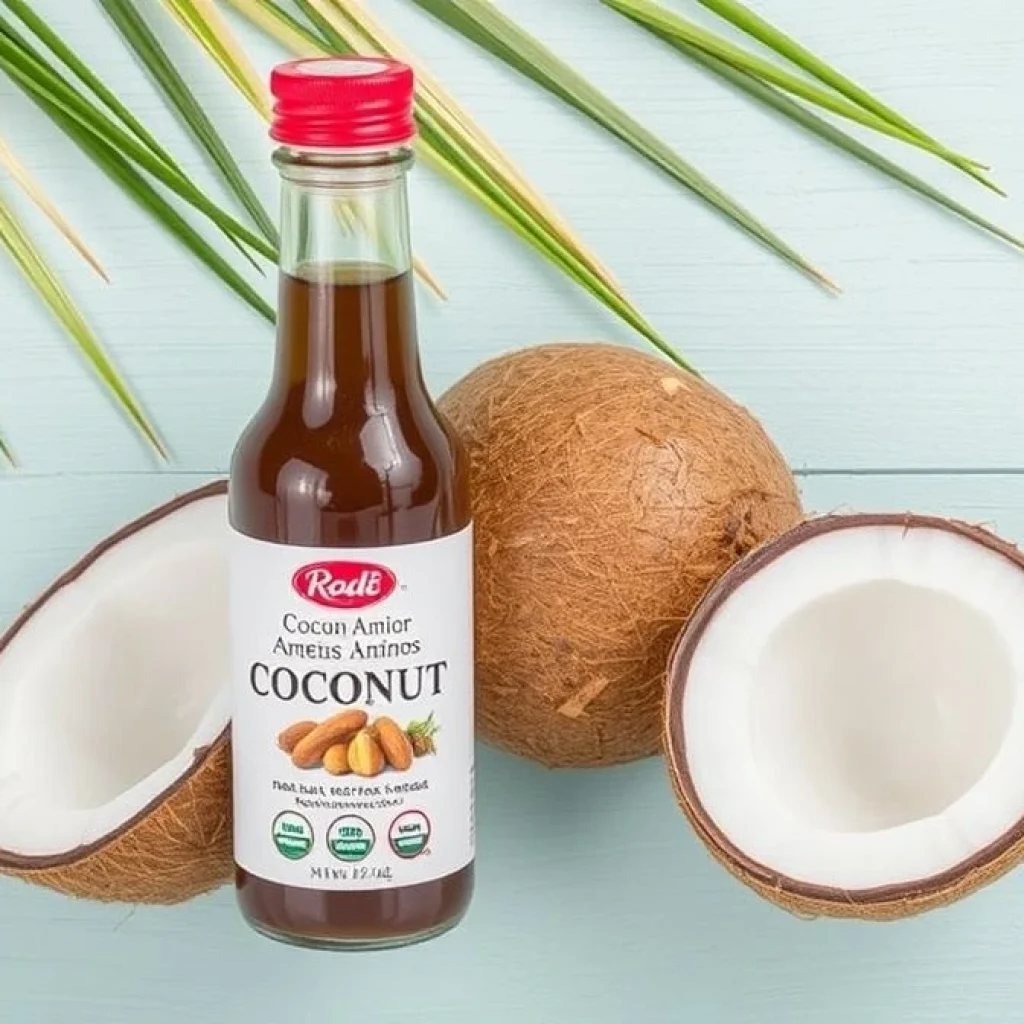
•Flavor Profile: Mild, subtly sweet, and savory with a hint of coconut.
•Uses: Perfect for stir-fries, marinades, dipping sauces, and as a general seasoning, especially in Paleo and Whole30 diets.
•Availability: Found in health food stores, specialty markets, and online.
6. Ohsawa Organic Tamari Soy Sauce
Ohsawa offers a high-quality, organic Tamari that is traditionally brewed and aged. It’s made with 100% whole soybeans and no wheat, providing a robust and authentic flavor. This brand is often favored by those who appreciate macrobiotic and traditional Japanese ingredients.
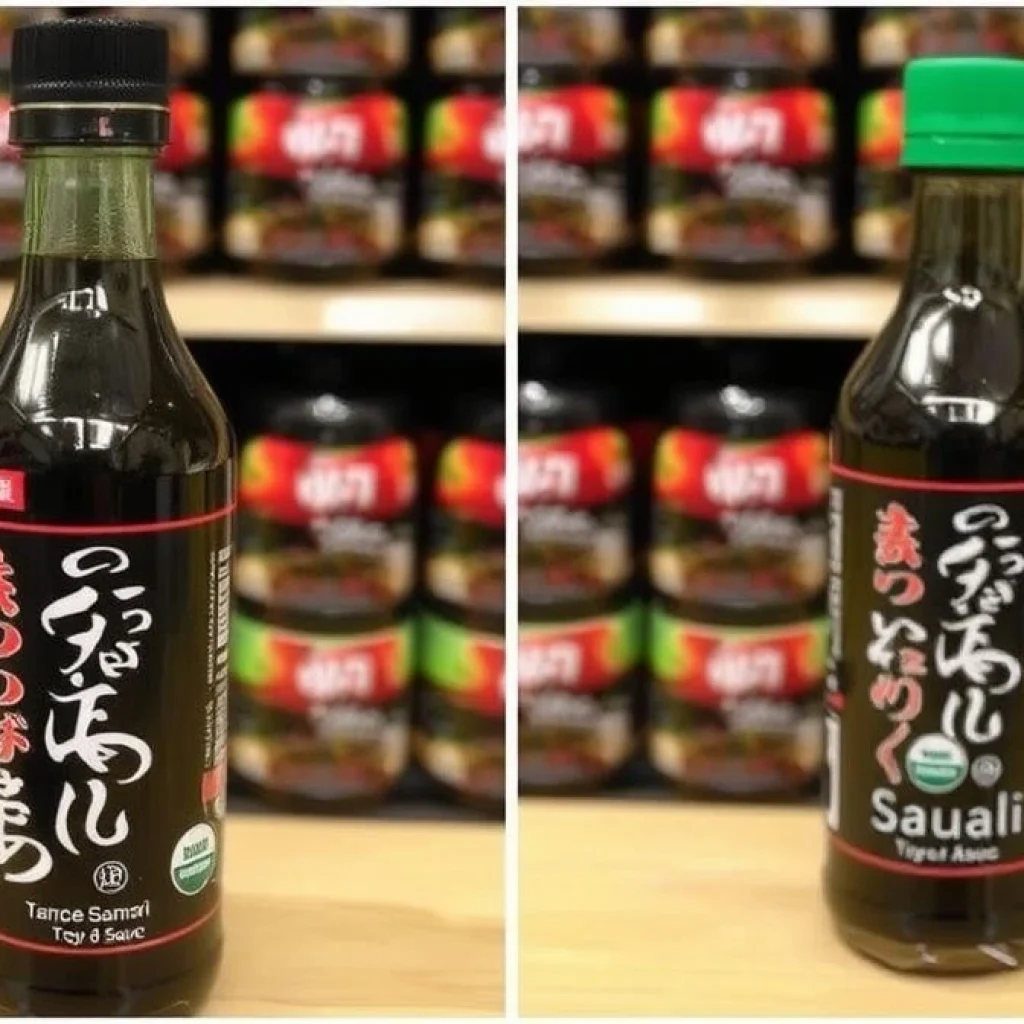
•Flavor Profile: Strong, full-bodied umami with a balanced saltiness.
•Uses: Excellent for traditional Japanese dishes, marinades, and as a table condiment.
•Availability: Specialty Asian markets and health food stores.
7. Yamasa Gluten-Free Tamari Soy Sauce
Yamasa, another well-established Japanese soy sauce producer, also offers a gluten-free Tamari. Their version is known for its clear, rich color and deep, savory taste. It’s a reliable choice for those seeking a high-quality, authentic Japanese-style gluten-free soy sauce.
•Flavor Profile: Clean, deep umami with a well-rounded flavor.
•Uses: Ideal for sushi, sashimi, and any dish where a clear, authentic soy sauce flavor is desired.
•Availability: Asian markets and some larger supermarkets.
When selecting your gluten-free soy sauce, consider your dietary needs, preferred flavor intensity, and intended use. Always check the label for certifications to ensure it meets your gluten-free requirements.
Common Mistakes to Avoid When Using Gluten-Free Soy Sauce
Even with the best gluten free soy sauce in hand, there are a few common mistakes that can hinder your culinary success or compromise your gluten-free diet. Being aware of these pitfalls will help you maximize flavor and ensure safety.
•Assuming All Tamari is Gluten-Free: While Tamari is generally wheat-free, it’s a common misconception that all Tamari is automatically gluten-free. Some brands may still contain trace amounts of wheat or be processed on shared equipment. Fix/Prevention: Always check the label for a ‘gluten-free’ certification or explicit ‘wheat-free’ declaration. Look for seals from reputable organizations like the GFCO.
•Over-Salting Dishes: Gluten-free soy sauces, especially Tamari, can sometimes be saltier or have a more concentrated flavor than traditional soy sauce due to their higher soybean content. Fix/Prevention: Start with a smaller amount than you would with regular soy sauce and taste as you go. You can always add more, but you can’t take it away. Consider using reduced-sodium varieties if salt intake is a concern.
•Using the Wrong Type for Specific Cuisines: While versatile, some gluten-free alternatives like Coconut Aminos have a distinct flavor profile that might not be suitable for every dish. For instance, Coconut Aminos has a subtle sweetness that might not work in savory, traditional Japanese dishes where a pure umami flavor is desired. Fix/Prevention: Understand the flavor nuances of different gluten-free options. For authentic Asian flavors, Tamari is usually the best substitute. For general seasoning or when avoiding soy, Coconut Aminos or Liquid Aminos are great.
•Cross-Contamination: This is a critical concern for those with celiac disease. Even if your soy sauce is gluten-free, using it with utensils or on surfaces that have come into contact with gluten-containing foods can lead to cross-contamination. Fix/Prevention: Use separate cutting boards, utensils, and cooking surfaces when preparing gluten-free meals. Ensure all ingredients, including spices and marinades, are certified gluten-free.
•Not Storing Properly: Like any condiment, improper storage can affect the flavor and shelf life of your gluten-free soy sauce. Fix/Prevention: Store opened bottles in the refrigerator to maintain freshness and prevent spoilage. Unopened bottles can typically be stored in a cool, dark pantry.
By avoiding these common mistakes, you can confidently use gluten-free soy sauce to create delicious, safe, and flavorful meals for everyone to enjoy.
Examples or Case Studies: Real-World Applications of Gluten-Free Soy Sauce
To truly appreciate the impact of gluten free soy sauce, let’s explore some real-world scenarios and how this essential ingredient empowers individuals to enjoy diverse cuisines without dietary limitations. These case studies highlight its versatility and importance in various culinary contexts.
Case Study 1: The Celiac-Friendly Sushi Night
Scenario: Maria, who has celiac disease, loves sushi but often feels limited by the traditional soy sauce served at restaurants. She misses the authentic taste that complements her favorite rolls.
Application: Maria discovered that many Japanese restaurants now offer Kikkoman Gluten-Free Tamari Soy Sauce as an alternative. When dining out, she specifically requests it, ensuring her sushi experience is both delicious and safe. At home, she uses San-J Tamari for her homemade sushi nights, confidently dipping her rolls without fear of gluten exposure. This allows her to fully participate in a beloved culinary tradition, turning a once-challenging meal into a joyous occasion.
Case Study 2: The Allergen-Conscious Family Dinner
Scenario: David and his family enjoy Asian-inspired meals, but his youngest daughter has both a gluten sensitivity and a soy allergy. Finding a suitable all-purpose sauce for stir-fries and marinades has been a constant challenge.
Application: David started using Coconut Aminos as his go-to alternative. For their weekly stir-fry, he marinates chicken and vegetables in a blend of Coconut Aminos, ginger, and garlic. The subtle sweetness and savory notes of the Coconut Aminos perfectly complement the dish, and his daughter can enjoy the same meal as the rest of the family without any allergic reactions. This has simplified meal preparation and brought peace of mind, allowing the family to share delicious, inclusive meals together.
Case Study 3: The Health-Conscious Home Cook
Scenario: Sarah, a health-conscious home cook, is always looking for ways to reduce sodium and incorporate more natural ingredients into her diet, without sacrificing flavor.
Application: Sarah opted for Eden Organic Tamari, appreciating its lower sodium content and rich, aged flavor. She uses it in her homemade salad dressings, adding a deep umami note to her vinaigrettes. She also incorporates it into her slow-cooked stews and soups, finding that a small amount significantly enhances the savory depth without needing excessive salt. This choice aligns with her health goals while elevating the taste of her everyday cooking, proving that healthy eating can be incredibly flavorful.
These examples demonstrate that gluten free soy sauce and its alternatives are not just dietary necessities but versatile ingredients that can enhance the culinary experience for everyone, promoting inclusivity and deliciousness in every meal.
Conclusion
Navigating a gluten-free diet doesn’t mean sacrificing flavor, especially when it comes to the rich, savory depth that soy sauce provides. As we’ve explored, the world of gluten free soy sauce offers a variety of excellent options, from traditional Tamari to innovative alternatives like Coconut Aminos.
By understanding their unique characteristics and how to use them effectively, you can continue to enjoy your favorite Asian-inspired dishes and beyond, safely and deliciously. We encourage you to experiment with the brands and tips shared in this guide to find your perfect gluten-free companion in the kitchen. Embrace the flavor, and never let dietary restrictions limit your culinary adventures! Share your experiences and favorite gluten-free soy sauce recipes in the comments below, and don’t forget to subscribe for more insightful articles and delicious recipes.
FAQs
Here are some frequently asked questions about gluten free soy sauce, designed to address common concerns and provide further clarity:
Q1: What is the main difference between Tamari and regular soy sauce?
A1: The main difference lies in their ingredients and gluten content. Traditional soy sauce is typically made with a significant amount of wheat, while Tamari is made with little to no wheat, often using 100% soybeans. This makes Tamari the primary gluten-free alternative. Tamari also tends to have a richer, darker color and a slightly less salty, more complex flavor profile due to its higher soybean content and longer fermentation.
Q2: Is all Tamari gluten-free?
A2: While most Tamari is gluten-free, it’s crucial to always check the label. Some brands may still contain a small amount of wheat, or be processed in facilities that handle wheat, leading to cross-contamination. Look for clear labeling and certifications (like GFCO) to ensure it is truly gluten-free.
Q3: Can I use Coconut Aminos if I have a soy allergy in addition to a gluten sensitivity?
A3: Yes, absolutely! Coconut Aminos is an excellent choice for individuals with both gluten and soy allergies. It is made from the sap of coconut blossoms and sea salt, making it entirely soy-free and gluten-free. It offers a similar savory and slightly sweet flavor profile, though it is generally milder than Tamari.
Q4: How should I store gluten-free soy sauce?
A4: Once opened, gluten-free soy sauce, like traditional soy sauce, should be stored in the refrigerator to maintain its freshness and flavor. Unopened bottles can be stored in a cool, dark pantry.
Q5: Will gluten-free soy sauce taste exactly like regular soy sauce?
A5: While very similar, there can be subtle differences. Many people find Tamari to have a deeper, richer, and less salty flavor than traditional soy sauce. The absence of wheat can allow the pure umami of the soybeans to come through more prominently. However, for most culinary applications, the difference is negligible, and gluten-free options perform just as well.
Q6: Can I use gluten-free soy sauce in all my recipes that call for regular soy sauce?
A6: Yes, you can! Gluten-free soy sauce, particularly Tamari, is a direct substitute for regular soy sauce in virtually all recipes. Whether you’re making marinades, stir-fries, dipping sauces, or dressings, it will provide the same essential umami and savory notes without the gluten.