
Table of contents

Brazilian Lemonade, known for its creamy texture and unique sweet-tart flavor profile, is one of Brazil’s most beloved refreshments. Despite its name, this classic drink is actually made with limes rather than lemons, making it a type of limeade. In this comprehensive guide, we’ll explore everything you need to know about this delicious beverage, from its fascinating origins to step-by-step instructions for creating the perfect glass at home.
What is Brazilian Lemonade?
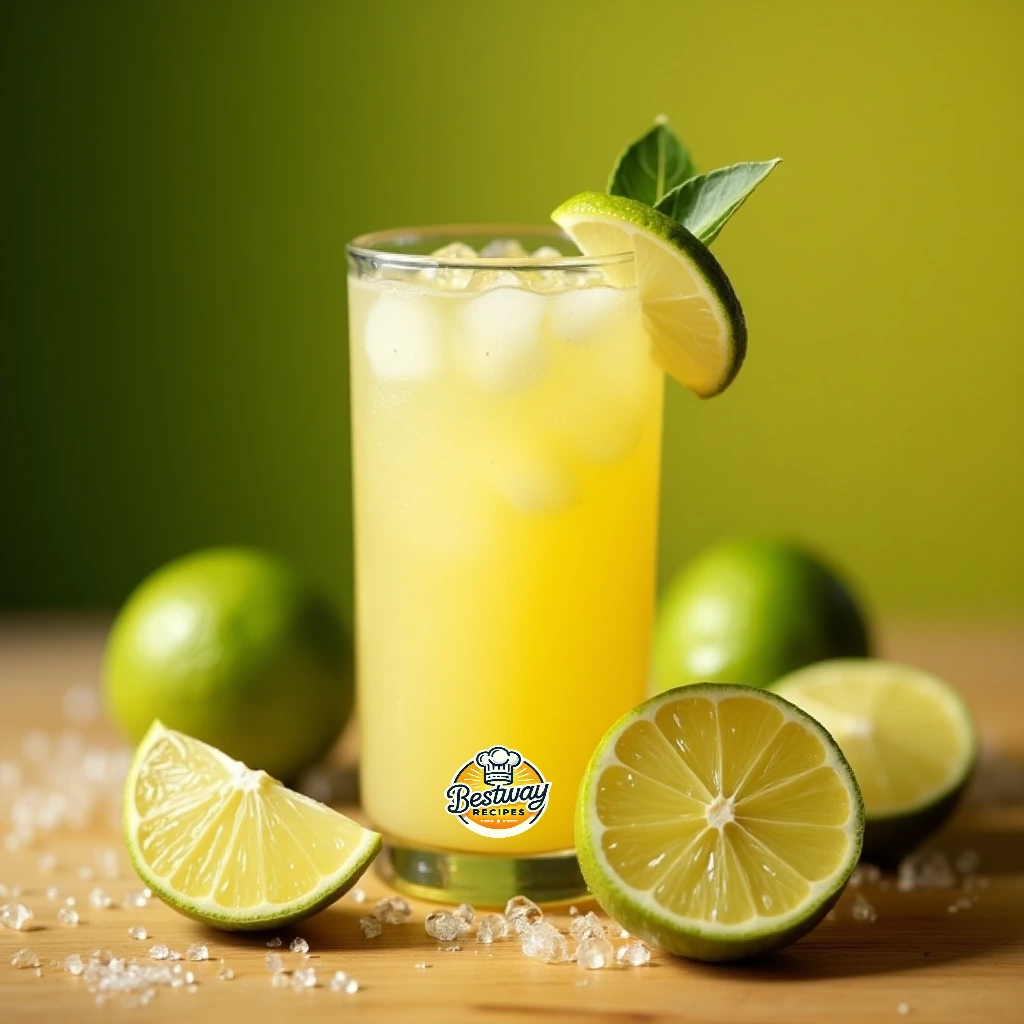
Brazilian Lemonade (or “Limonada Suíça” in Portuguese) is a refreshing beverage that originated in Brazil and has become increasingly popular worldwide. Unlike traditional lemonade, this creamy concoction combines fresh limes, condensed milk, water, and sugar, resulting in a unique drink that balances tangy citrus notes with sweet creaminess.
The drink’s origins trace back to Brazil’s vibrant culinary landscape, where it emerged as a practical way to combat the country’s tropical heat. While the exact historical origins remain somewhat unclear, many believe the recipe was influenced by European immigrants, particularly Swiss immigrants (hence the Portuguese name “Limonada Suíça” or “Swiss Lemonade”).
In Brazilian culture, this limeade holds a special place as a staple refreshment served at gatherings, family reunions, and festive occasions. The drink perfectly embodies Brazil’s culinary philosophy of balancing contrasting flavors – in this case, the sharp acidity of limes with the rich sweetness of condensed milk.
The Authentic Brazilian Lemonade Recipe
Ingredients
| Ingredient | Amount | Notes |
|---|---|---|
| Fresh limes | 4-5 medium | Choose bright green, firm limes |
| Condensed milk | 1/2 cup | Sweetened |
| Cold water | 4 cups | Filtered preferred |
| Sugar | 1/4 cup | Adjust to taste |
| Ice cubes | 2 cups | Plus more for serving |
Essential Equipment
- Blender: A good quality blender is crucial for achieving the right texture
- Fine-mesh strainer: To remove bitter lime pith and pulp
- Pitcher: For serving
- Sharp knife: For preparing the limes
Step-by-Step Instructions Brazilian Lemonade
- Prepare the limes: Wash the limes thoroughly under cool running water. Cut off the ends of each lime, then quarter them lengthwise. If you want to reduce bitterness, you can remove some of the white pith.
- First blend: Place the quartered limes in a blender with 2 cups of cold water. Pulse 5-8 times in short bursts (about 5 seconds each). This brief blending extracts flavor without releasing too much bitterness from the peels.
- Strain the mixture: Pour the blended lime mixture through a fine-mesh strainer into a pitcher, pressing gently with a spoon to extract the juice. Discard the solids.
- Second blend: Return about half of the strained lime juice to the blender. Add the condensed milk, sugar, remaining water, and ice. Blend on high speed for about 30 seconds until frothy.
- Final mix: Pour this mixture back into the pitcher with the remaining lime juice and stir to combine.
- Serve: Pour into glasses filled with ice and garnish with lime slices if desired.
Pro Tip: The key to perfect Brazilian Lemonade is proper blending time. Over-blending the limes with the water will release bitter compounds from the peel, resulting in an unpleasant taste.
Ingredient Breakdown
Limes
The star ingredient in Brazilian Lemonade is, of course, fresh limes. For the best results:
- Choose bright green, firm limes with smooth, unblemished skin
- Persian or Tahitian limes work best, as they’re less bitter than Key limes
- Look for limes that feel heavy for their size, indicating higher juice content
- Room temperature limes yield more juice than cold ones
Condensed Milk
Condensed milk is what sets Brazilian Lemonade apart from other citrus drinks. This sweet, thick milk product:
- Creates the signature creamy texture
- Balances the tartness of the limes
- Adds richness and body to the drink
- Contains enough sugar to sweeten the beverage (though additional sugar is often added)
Water and Ice
The quality of water significantly impacts the final taste of your Brazilian Lemonade:
- Use filtered or spring water if possible
- Ice not only chills the drink but also helps dilute the strong flavors to the right balance
- Use fresh ice made from filtered water for the best results
Tips & Tricks for the Perfect Brazilian Lemonade
Creating truly exceptional Brazilian Lemonade requires attention to detail. Here are some expert tips:
Blending Techniques
- Pulse, don’t blend: When processing the limes with water, use the pulse function on your blender rather than continuous blending. This helps extract flavor without releasing bitterness.
- Blending time: 5-10 seconds total of pulsing is ideal. Any longer risks extracting bitter compounds.
- Two-stage blending: The two-step blending process (first limes with water, then adding condensed milk after straining) is crucial for the right texture and flavor.
Adjusting Sweetness
- Taste as you go: Everyone’s preference for sweetness varies. Start with less sugar than you think you need, then add more if necessary.
- Lime variations: Since limes can vary in acidity, be prepared to adjust the sugar content accordingly.
- Honey alternative: For a different flavor profile, substitute some or all of the sugar with honey.
Preventing Bitterness
- Remove the white pith: If you’re sensitive to bitterness, take time to trim away some of the white pith from the limes before blending.
- Strain thoroughly: Use a fine-mesh strainer and avoid pressing too hard on the solids.
- Quick blending: Remember, the longer you blend the limes, the more bitter compounds you’ll extract.
Variations of Brazilian Limeade
One of the beauties of Brazilian Lemonade is its versatility. Here are some popular variations:
Fruit Variations
- Strawberry Brazilian Limeade: Add 1 cup of fresh strawberries to the blender when mixing with condensed milk.
- Coconut Brazilian Limeade: Replace half the water with coconut water and add 2 tablespoons of coconut cream.
- Pineapple Brazilian Limeade: Add 1 cup of fresh pineapple chunks to the second blend.
Alcoholic Versions
- Cachaça Brazilian Lemonade: Add 4 oz of cachaça (Brazilian rum) to the pitcher for an authentic Brazilian cocktail.
- Vodka Limeade: Add 4 oz of vodka for a refreshing summer cocktail.
- Tequila Twist: Add 4 oz of silver tequila and a pinch of salt for a creamy margarita-inspired drink.
Healthier Options
- Reduced Sugar: Use half the amount of condensed milk and replace sugar with a natural sweetener like stevia.
- Dairy-Free: Substitute condensed milk with coconut condensed milk for a dairy-free alternative.
- Agave Option: Replace sugar with agave nectar for a different sweetness profile.
Serving Suggestions
Brazilian Lemonade is versatile enough to pair with various foods and occasions:
Garnishes
- Fresh lime slices or wheels
- Mint sprigs
- Basil leaves
- Edible flowers for special occasions
- Sugar or salt rim (depending on sweetness preference)
Food Pairings
Brazilian Lemonade pairs exceptionally well with:
- Brazilian cuisine: Especially feijoada, pão de queijo (cheese bread), or churrasco (Brazilian BBQ)
- Spicy foods: The creamy sweetness tempers heat perfectly
- Grilled meats: The acidity cuts through rich, fatty meats
- Light salads: For a refreshing summer meal
Storage Instructions
For the best flavor and quality:
- Refrigerate: Brazilian Lemonade can be stored in the refrigerator for up to 24 hours.
- Separation: Natural separation will occur during storage. Simply stir or shake before serving.
- Ice dilution: If storing with ice, the flavor will become more diluted over time.
- Best practice: For optimal taste, consume within a few hours of preparation.
Nutritional Information
While Brazilian Lemonade is a treat rather than a health drink, it’s good to know what you’re consuming:
| Nutrient | Amount per Serving (8 oz) |
|---|---|
| Calories | Approximately 120-150 |
| Carbohydrates | 25-30g |
| Fat | 3-4g |
| Protein | 2g |
| Vitamin C | 20-30% of daily value |
| Calcium | 8-10% of daily value |
Note: Values are approximate and may vary based on specific ingredients and quantities used.
Brazilian Lemonade vs. Regular Lemonade: Key Differences
Many people are curious about what makes Brazilian Lemonade distinct from traditional lemonade:
Ingredients
- Brazilian Lemonade: Uses limes (not lemons), condensed milk, water, sugar, and ice
- Regular Lemonade: Typically contains lemons, water, sugar, and ice
Texture
- Brazilian Lemonade: Creamy, frothy, and rich
- Regular Lemonade: Clear, light, and watery
Flavor Profile
- Brazilian Lemonade: Balanced sweet-tart with creamy notes
- Regular Lemonade: Bright, sharp citrus flavor with sweetness
Preparation
- Brazilian Lemonade: Requires blending and straining
- Regular Lemonade: Usually just involves mixing or shaking
Frequently Asked Questions (FAQ)
What is Brazilian Lemonade?
Brazilian Lemonade, also known as Brazilian Limeade, is a refreshing drink made with limes, water, condensed milk, and ice. It’s known for its creamy texture and sweet-tart flavor.
Why is it called Brazilian Lemonade if it’s made with limes?
While the name might be misleading, “lemonade” in this case refers to a general category of sweetened citrus drinks. In Brazil, limes are commonly used in this type of drink, hence the name. Another name is ‘Limeade’.
Is Brazilian Lemonade healthy?
While delicious, Brazilian Lemonade is high in sugar due to the condensed milk. You can make healthier variations by using less condensed milk or alternative sweeteners like honey or stevia. The lime juice does provide some vitamin C.
Can I make Brazilian Lemonade without a blender?
While it’s possible, a blender is highly recommended for achieving the creamy texture. You can try squeezing the lime juice and whisking it with the other ingredients, but the result won’t be as smooth.
How do I prevent Brazilian Lemonade from being bitter?
The key is to blend the limes whole (including the peel) for a short amount of time (5-10 seconds). Over-blending releases bitter compounds from the peel. You can also remove some of the white pith from the limes before blending.
Can I make Brazilian Lemonade in advance?
Yes, but it’s best consumed within 24 hours. Store it in the refrigerator, and be prepared to stir or shake before serving as natural separation will occur.
Can I use lemons instead of limes?
While not traditional, you can substitute lemons for limes. However, the flavor profile will be different, and you may need to adjust the sweetness.
Troubleshooting Guide
Even experienced cooks can encounter issues. Here’s how to solve common Brazilian Lemonade problems:
Too Bitter
- Cause: Over-blending the limes or using limes with thick pith
- Solution: Blend for less time, remove more pith, or add more sugar and condensed milk
Too Sweet
- Cause: Too much condensed milk or sugar
- Solution: Add more lime juice or water to balance
Not Creamy Enough
- Cause: Insufficient condensed milk or over-dilution
- Solution: Add more condensed milk or reduce water
Curdled Appearance
- Cause: Acidic lime juice reacting with milk proteins
- Solution: Ensure the mixture is well-blended and serve immediately
Conclusion Brazilian Limeade
Brazilian Lemonade is more than just a refreshing drink – it’s a window into Brazil’s vibrant culinary culture. With its perfect balance of creamy sweetness and tangy citrus, this unique limeade offers a delightful sensory experience that’s perfect for hot summer days or any time you want a special treat.
By following the authentic recipe and expert tips in this guide, you’ll be able to create this delicious beverage in your own kitchen. Whether you stick to the traditional version or experiment with creative variations, Brazilian Lemonade is sure to become one of your favorite drinks.
We hope this comprehensive guide has equipped you with everything you need to know about Brazilian Lemonade. If you have any questions or want to share your own tips and variations, please leave a comment below!
Have you tried making Brazilian Lemonade at home? What’s your favorite variation? Let us know in the comments!
Author´sTop Recipes Piks
- Korean Ground Beef:
- Strawberry Cheesecake Cinnamon Rolls
- The Ultimate Hobo Casserole
- Moist Banana Bread Recipe
- 10 Best Chicken Gnocchi Soup Recipes
- Delicious Ditalini Pasta Recipes
- How to Make the Best Potato Soup in 30 Minutes
- How to Make Breakfast Pizza for School in 20 Minutes
- Chicken Breast: How to Cook It Perfectly in 15 Minutes
- How to Make Garlic Parmesan Cheeseburger Bombs in 5 Steps


