Table of Contents
Ever wondered how a small jar of Tunisian Harissa can make a meal exciting?
Tunisian Harissa is a spicy red pepper paste from North Africa. It has deep roots in Tunisia. This guide will teach you what makes authentic Tunisian harissa stand out. You’ll learn how to pick the right ingredients. Plus, how to follow a reliable homemade harissa recipe.
Harissa is getting popular in U.S. stores, restaurants, and kitchens. It’s versatile, bold, and lasts long if you store it right. You’ll find out about harissa’s origins and flavors. There’s a step-by-step recipe for making it at home. And you’ll get smart storage tips. Plus, advice on picking the best Tunisian harissa paste or sauce in stores.
Key Takeaways
- Tunisian Harissa is a spicy red pepper paste central to Tunisian cuisine.
- This guide shows you how to make authentic Tunisian harissa at home.
- Quality ingredients shape the flavor of Tunisian harissa paste.
- Harissa is versatile—use it as a sauce, marinade, or condiment.
- You’ll learn storage and buying tips to keep harissa fresh and authentic.
What Is Tunisian Harissa: Origins and Cultural Significance
To grasp Tunisian harissa’s essence, consider its beginnings. It originated from Tunisian kitchens, combining chili peppers post-Columbian exchange with local spices for a rich paste. This mix not only preserved peppers but also enriched daily meals with deep flavors.
Harissa varies across Tunisia due to regional tastes. Coastal areas prefer it with olive oil and a softer taste. However, inland and the south like it smokier and spicier. Key flavors are caraway and coriander, making it uniquely Tunisian.
Initially, harissa was a home essential. Families would blend spices and peppers, then share their creations at markets and meals. It’s now key in many dishes, like couscous and stews, and even street food, embedding itself in Tunisian culinary tradition.
Looking at North African chili pastes, Tunisian harissa is unique. It’s rich from olive oil and highlighted by specific spices like caraway and coriander. Algerian and Moroccan varieties differ in spice mix and texture, showing harissa’s special place among regional flavors.
| Feature | Tunisian Harissa | Moroccan Chili Paste | Algerian Variant |
|---|---|---|---|
| Primary spices | Caraway, coriander, garlic | Smoked paprika, preserved lemon, cumin | Cumin, garlic, variable caraway |
| Oil base | Olive oil | Olive or vegetable oil | Vegetable or olive oil |
| Texture | Dense, oily paste | Smoother, sometimes saucier | Variable, often looser than Tunisian |
| Typical uses | Condiment, ingredient in couscous, stews, sandwiches | Marinades, tagines, sauces | Grilled meats, stews, condiments |
| Distinctive peppers | Dried or smoked local varieties | Local and mild varieties | Hotter regional chilies |
Understanding what goes into Tunisian harissa helps appreciate its significance. Its blend of peppers, garlic, caraway, and coriander, mixed with olive oil, suits it as an ingredient or a standalone condiment. This versatility makes harissa not just any hot sauce but a staple in Tunisian cuisine.
Traditional Tunisian Harissa Ingredients and Flavor Profile
Authentic Tunisian Harissa is made with a few key ingredients. Dried red chili peppers, like Baklouti, roasted garlic, and toasted caraway seeds are essential. Ground coriander, sea salt, and extra virgin olive oil also play a big role. Some people add smoked paprika, cumin, lemon juice, or tomato paste to change it up. Rose harissa types use different spices but follow the same idea.
Caraway, coriander, and garlic make this paste stand out. These spices make Tunisian harissa unique compared to other North African chili pastes. The olive oil does more than mix everything together. It adds a fruity taste, improves texture, and keeps the paste fresh.
The kind of peppers you use changes the paste’s flavor. Dried peppers add a smoky taste and a bold flavor. Fresh peppers make it more vivid and lively. Using fire-dried or smoked peppers brings in a strong smoky flavor.
Always use freshly toasted and ground caraway and coriander for the best smell. Old, pre-ground spices can make the harissa taste dull. High-quality extra virgin olive oil makes the texture better and flavors more lively. The type of salt and garlic you use also affects the taste and how long it lasts.
The taste of harissa blends earthy, smoky, and garlicky notes with a hint of citrus acidity. Caraway and coriander add a warm spice. The heat level varies based on the peppers used and how many seeds you add.
Harissa goes well with grilled meats, roasted veggies, eggs, couscous, hummus, yogurt, and labneh. It can spice up vinaigrettes, marinades, and stews. To make it less spicy for American tastes, remove the seeds. Or, mix it with roasted red peppers, Greek yogurt, or mayonnaise for a gentler sauce.
| Component | Role in Paste | Effect on Flavor | Tips |
|---|---|---|---|
| Dried red chili peppers (Baklouti) | Primary heat and color | Concentrated, smoky, deep red hue | |
| Roasted garlic | Sweetness and savory depth | Creates roundness and umami | |
| Toasted caraway seeds | Signature aromatic | Warm, anise-like spice that defines authenticity | |
| Ground coriander | Earthy, citrusy backbone | Adds brightness and complexity | |
| Extra virgin olive oil | Binder and preservative | Fruity mouthfeel, smooth finish | |
| Optional: smoked paprika, cumin, lemon | Layering and variation | Smokiness, warmth, or tang |
How to Make Tunisian Harissa at Home: Step-by-Step Homemade Harissa Recipe

Start with top-notch ingredients for real Tunisian harissa. Opt for dried New Mexico, ancho, or guajillo chilies. Add a bit of cayenne for spice. Seek out Baklouti or Tunisian-style chilies at specialty stores for extra authenticity. Pick fresh extra virgin olive oil and flaky sea salt for the best taste.
Begin with 8–12 ounces of soaked peppers. For that amount, use 1–2 tablespoons of toasted caraway and coriander. Add 3–6 garlic cloves based on your taste preference for garlic. Adjust cayenne to manage the spiciness.
Preparation techniques
Toast caraway and coriander seeds until they smell wonderful, then crush them. Soak dried peppers until they’re soft, using either hot water or a quick simmer. Keep the soaking liquid to thin the mix as needed.
Take off the stems and seeds to lessen the heat, or leave a few for extra kick. To add a smoky flavor, lightly char the peppers or pick smoked ones before soaking.
Blending and adjusting texture
To make a quick harissa, blend soaked peppers, crushed spices, garlic, salt, and a little olive oil. Pulse until mixed well. Gradually add olive oil to get the consistency you like: thinner for sauces or thicker for pastes.
If you like your harissa chunky, use a mortar and pestle. Smash garlic with salt into a paste. Mix in ground seeds and mashed peppers. Then blend in olive oil until smooth. Taste and fine-tune the flavor. Add lemon juice or vinegar for zing, or some roasted red pepper or tomato paste to soften the spice.
Batch yields and scaling
An 8–12 ounce batch of soaked peppers makes about 1 to 1 1/4 cups of paste. Keep the spice ratios consistent as you make more. Toast spices in small groups to keep their scent strong.
Storage tips
Put your harissa in sterilized jars. Smooth out the top and cover with a bit of olive oil. This keeps air out. It stays good in the fridge for 2–3 weeks. To keep it longer, freeze it for 3–6 months.
Always use clean spoons to get harissa out. Maintain the oil cover. Toss it if it smells bad, looks moldy, or changes color. For those aiming for longer shelf life, consider proper canning methods. Yet, storing it in the fridge is best for safety.
Using Tunisian Harissa Sauce in Your Cooking

A spoonful of Tunisian harissa sauce can change your everyday meals. Start with a little and taste as you add more. Harissa is great as a condiment, in cooking, and as a final touch. It adds heat, spice, and depth to food.
Classic dishes that showcase harissa
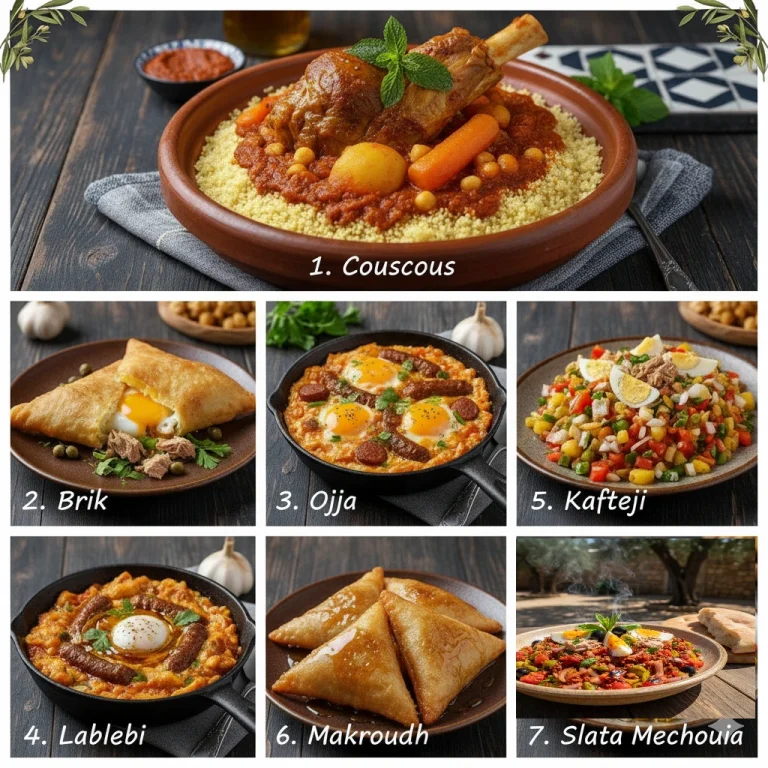
At the table, couscous and Tunisian tajine are great with a bit of Tunisian harissa paste. Chorba, grilled fish with a harissa rub, and merguez sausages taste better with harissa’s chile flavor. Serve it with olive oil and lemon so everyone can adjust the heat and acidity.
Easy weeknight recipes: marinades, soups, and sandwiches
For quick meals, harissa marinades are great for chicken or salmon. Just mix harissa with olive oil and lemon. Mix pasta with roasted veggies and a spoon of this spicy paste for instant flavor.
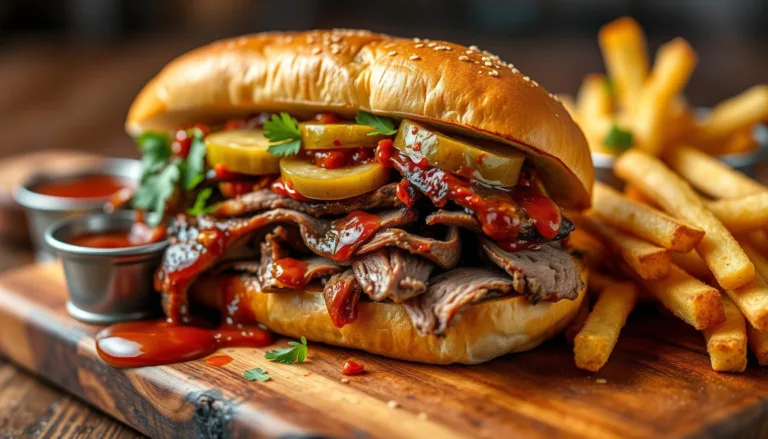
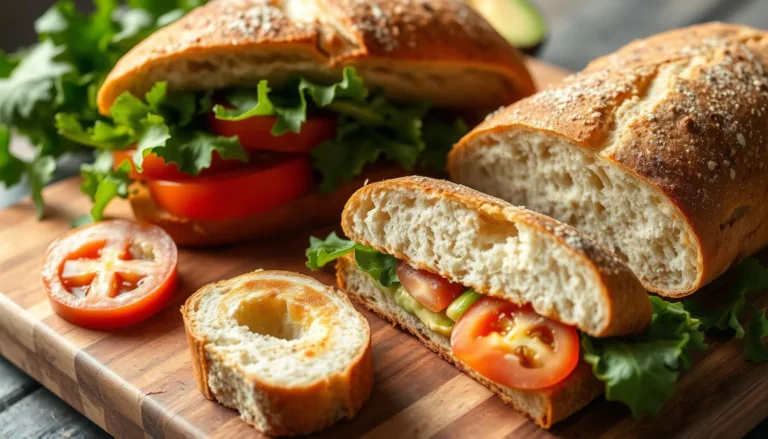
Harissa can make canned tomato sauce or tomato soup better. Or add it to lentil soup. For a simple sandwich, mix Tunisian harissa paste with mayo or yogurt. Use it for tuna or egg salad.
Vegetarian and protein-forward ways to use harissa
Roast cauliflower or carrots with harissa and honey for a tasty side. Chickpea stews, harissa hummus, and grain bowls with roasted vegetables are perfect for veggie meals.
For dishes with meat, try harissa as a rub for lamb chops, pork, or steak. You can also mix it into ground beef or lamb for spicy meatballs or kebabs. Enjoy it with tahini or Greek yogurt sauce to lessen the heat.
Tips for balancing heat and acidity
If the paste is too spicy, mix with roasted red bell pepper or tomato paste. Mixing Tunisian harissa paste into yogurt, labneh, or sour cream can cut the spiciness but keep the flavor.
Add lemon juice, white wine vinegar, or preserved lemon to enhance the dishes. Adjust the salt and fat to make it feel right on your tongue. Remember to taste often, as heat builds up while cooking.
| Use | Quick method | Balance tip |
|---|---|---|
| Marinade for chicken or salmon | Mix harissa marinades with olive oil and lemon; marinate 30–60 minutes | Add yogurt or a splash of lemon to reduce heat |
| Soup enhancer | Stir a spoon of spicy red pepper paste recipes into tomato or lentil soup | Use cream or blended roasted peppers to tame intensity |
| Sandwich spread | Combine Tunisian harissa paste with mayo or yogurt for a quick sauce | Fold in extra yogurt to mellow spice for kids |
| Roasted vegetables | Glaze vegetables with harissa and honey, roast until caramelized | Finish with lemon or a drizzle of olive oil for balance |
| Meat rubs and kebabs | Rub meat with using harissa, rest and grill for charred flavor | Serve with tahini or labneh to cool the heat |
Choosing the Best Tunisian Harissa Brand and Store-Bought Options
When shopping for jarred chilies, focus on labels that are easy to understand and ingredients that are real. Make sure the list includes dried peppers, garlic, caraway, coriander, olive oil, and salt at the top. Stay away from jars filled with lots of preservatives, too much vegetable oil, or extra sugar. A “Product of Tunisia” label means you’re getting real Tunisian harissa.
Opening a jar can tell you much about its quality. Good Tunisian harissa will smell like peppers and have a warm scent. It’s normal to see some oil on top; this often means the oil is of good quality. If it smells dull or too sweet, it’s likely not made traditionally.
There are a few types of harissa you can buy. Jarred paste lets you adjust the texture and flavor. Tube harissa is neat and lasts longer for those who use it sparingly. Harissa preserved in olive oil is ready to use and often lasts longer in your fridge. Each type has its pros and cons concerning strength, ease of use, and how long it stays fresh.
Different brands are available depending on where you are. In the U.S., you might find brands like Mina and Carrefour, and handcrafted versions from Tunisian groups can be found at specialty stores and Middle Eastern shops. Always check the expiration date and look up reviews. Small-batch jars usually taste more authentic and less processed.
Price can be a clue about quality, but it’s not always reliable. Expensive artisanal jars often use higher quality peppers and less filler. Tubes of harissa may be cheaper and good for those who use it occasionally. For intense flavor, look for sellers that stress Tunisian origin and simple recipes.
Choosing between ready-made or homemade depends on your needs. Go for store-bought for reliable quality and ease. Make it yourself to customize the heat, freshness, and spice mix. Mixing both methods can also work: enhance store-bought harissa with fresh ingredients to make it your own.
Conclusion
Tunisian harissa is more than just a chili paste. It’s a blend of hot peppers and spices like caraway and coriander. This mix gives it a unique taste. It stands out on Tunisian tables, different from other chilis.
To make tunisian harissa, start with quality dried peppers. Toast the spices just a bit. Soak and grind them all together, then mix in olive oil to keep it fresh.
When looking for harissa, choose one with clear ingredients and few preservatives. There are many types: jarred, tubed, and preserved. Pick a ready-made one for convenience, or make it at home to tailor the flavor and heat.
Try making harissa yourself, or buy a top-rated one. This way, you can adjust the heat to your liking. Once made or bought, it elevates many dishes with its bold taste. Store it right, and enjoy it in many meals.
FAQ
What is Tunisian harissa and how does it differ from other chili pastes?
Tunisian harissa is a spicy red pepper paste from Tunisia. It’s made from dried red peppers, roasted garlic, toasted caraway, coriander, sea salt, and olive oil. Unlike other North African chili pastes, it highlights caraway and coriander.
It often uses dried or smoked peppers, and leans on olive oil. It’s denser and oilier than Moroccan or Algerian types. Its taste is savory, smoky, and aromatic, not sweet.
What ingredients make an authentic Tunisian harissa?
True Tunisian harissa uses dried red chili peppers, roasted garlic, toasted caraway seeds, ground coriander, sea salt, and quality olive oil. Some add smoked paprika, cumin, lemon juice, or tomato paste. But, caraway and coriander are key.
Can I make authentic Tunisian harissa at home with U.S. ingredients?
Yes, you can. Start with dried New Mexico, ancho, guajillo, or cayenne peppers. Toast caraway and coriander seeds, soften the peppers, remove stems and seeds for less heat, and blend with garlic, salt, and olive oil. Use a mortar for traditional texture.
Adjust with lemon juice or vinegar. Store in jars topped with olive oil in the fridge.
How do I control heat level for American palates?
To lessen heat, take out seeds and membranes before blending. Choose milder peppers like ancho or New Mexico. Or, blend harissa with roasted red bell peppers or tomato paste. Harissa can be softened with dairy like Greek yogurt, labneh, or mayonnaise for milder sauces.
What are the best ways to store homemade or store-bought harissa?
Store homemade harissa in sterilized jars, cover with olive oil, and refrigerate for up to 3 weeks. Freeze for longer storage. For store-bought, follow the manufacturer’s instructions.
Jarred versions last longer in the fridge if covered in oil. Toss any harissa that smells odd, shows mold, or changes color.
Which store-bought Tunisian harissa brands should I look for and what should I check on labels?
Look for harissa with dried peppers, garlic, caraway, coriander, olive oil, and salt listed first. Avoid those with much vegetable oil, sugar, or artificial stuff. “Product of Tunisia” suggests authenticity. Choose artisanal brands from Middle Eastern or North African stores.
Check for freshness dates and reviews. Pick from jars, tubes, or oil-preserved types based on what you need.
How can I use Tunisian harissa in everyday cooking?
Harissa works as a condiment for bread, meats, merguez, and fish. Add it to couscous, stews, soups, or use as a marinade with oil and lemon. It’s great in pasta sauces, as harissa mayo, or glazing veggies.
For vegetarian meals, try it on roasted cauliflower or with chickpeas. Add dairy or veggies to lessen heat, and lemon or vinegar for acidity.
What ratio of spices to peppers should I follow when making harissa?
Aim for 1–2 tablespoons of toasted caraway and coriander per 8–12 ounces of peppers. Also, use 3–6 garlic cloves. Adjust salt and olive oil by taste and texture. Start with less spice and add more as needed.
Is harissa safe to preserve like commercial jars, and can I can homemade harissa?
Homemade harissa can be stored in the fridge or freezer safely. Seal with oil for short-term. For long-term, commercial canning methods are needed. Home canning isn’t advised due to specific safety requirements.
How do I refresh or enhance a jarred harissa from the store?
Improve store-bought harissa by adding freshly toasted caraway or coriander, extra garlic, quality olive oil, or lemon juice. Blend in roasted red pepper or tomato paste to soften the heat. Or, fold into yogurt or mayonnaise for fresher, more complex sauces and dressings.
Can Tunisian harissa be used in vegetarian and low-meat diets?
Definitely. Harissa is great in vegetarian cooking: use it on roasted veggies, in chickpea stews, grain bowls, harissa hummus, or tomato-based lentil soups. It brings heat and depth to dishes without meat, and fits well with tofu, tempeh, and legumes.
Author´sTop Recipes Piks
- My Mom’s 5-Ingredient Meatloaf Is My Favorite
- Easy Crustless Quiche Recipe With Cottage Cheese
- 5-Step Rich Dense Chocolate Cake Recipe
- Costa Rican Tea Recipe: How To Make This Best Comfort Drink
- Easy Lavash Bread Recipe: Homemade Armenian Flatbread
- The Ultimate Bourbon Cream Recipe: A Smooth and Luxurious Delight
- Krusteaz Pancake Mix Recipe: Easy Morning Favorite