
Table of Contents
I burned through three bags of expensive beans before I figured out why my homemade lattes tasted so flat. The problem wasn’t the coffee it was everything I did after brewing it. I’d spent two years thinking I just “wasn’t a coffee person,” ordering out every morning while watching my budget drain away. Then one Sunday, out of both desperation and stubbornness, I started actually paying attention to what I was doing wrong.
That morning changed how I approach coffee at home. These aren’t complicated café drinks that require professional equipment. They’re the five drinks that finally taught me what I was missing, and why timing, temperature, and a few small adjustments matter more than fancy gear.
Why This Recipe Works
- For anyone tired of spending $5+ per coffee run and wanting café-quality drinks at home
- When you have 5-10 minutes in the morning and basic kitchen tools
- Because you don’t need an espresso machine to make genuinely satisfying coffee drinks
- Focuses on technique over equipment, showing what actually affects flavor
Ingredients (With Context)
Strong Brewed Coffee (1 cup per serving)
I use a French press or Moka pot for this. Regular drip coffee works, but it’s too weak for most of these drinks you’ll taste mostly milk. The stronger base holds up when you add other ingredients. I tried using instant coffee once when I ran out of beans. It technically worked, but tasted dusty and chemical. Not worth it.
Common mistake: Brewing coffee and letting it sit on the burner for 20 minutes. By the time you’re ready to make your drink, it’s bitter and stale. Brew fresh when you’re actually ready.
Whole Milk (½ cup per serving)
Whole milk froths better than skim and creates that creamy texture you’re looking for. I’ve used oat milk when cooking for friends who can’t have dairy it froths decently and has a subtle sweetness. Almond milk separates too easily and doesn’t steam well.
Substitution that works: Oat milk (barista blend) Substitution that doesn’t: Regular almond milk it curdles in hot coffee
Granulated Sugar (1-2 tablespoons)
I add sugar to the hot coffee before anything else. It dissolves completely that way. When I’ve tried stirring it in after adding milk, I end up with gritty sediment at the bottom of my mug. White sugar works fine; I’ve never noticed a difference with organic cane sugar despite the price gap.
Pure Vanilla Extract (¼ teaspoon)
This is optional, but ¼ teaspoon brings out the coffee’s natural sweetness without making it taste like artificial vanilla syrup. I made the mistake of using imitation vanilla once it left a chemical aftertaste. Real extract is worth the few extra dollars.
Optional Add-ins
- Cocoa powder (1 tablespoon for mochas)
- Cinnamon (⅛ teaspoon)
- A pinch of salt (counteracts bitterness)
Step-by-Step Instructions (Decision-Based)
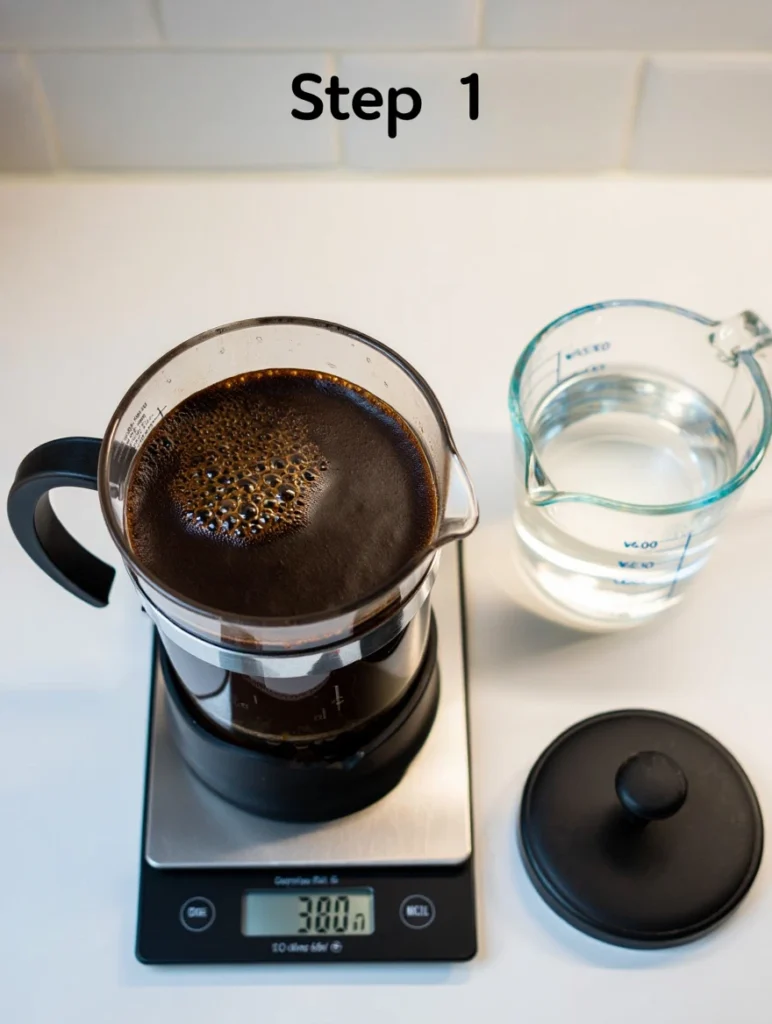
Step 1: Brew Your Coffee Strong
Use a 1:15 coffee-to-water ratio instead of your usual 1:17. This means slightly less water than normal. For a French press, that’s about 30g of coffee to 450ml of water.
Why it matters: Diluted coffee gets lost when you add milk and sweetener. You need a concentrated base that holds its flavor.
What to look for: The brewed coffee should smell rich and full. If it smells weak or watery, add more grounds next time.
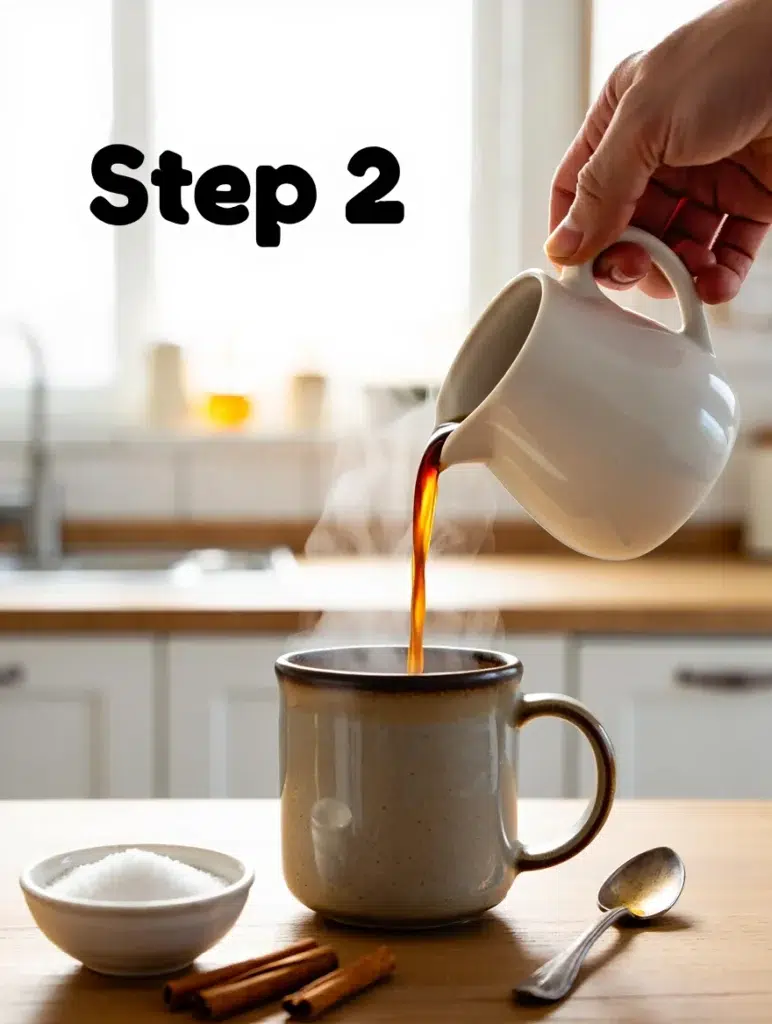
Step 2: Heat and Sweeten Immediately
Pour your fresh coffee into your mug. Add sugar and any spices (cinnamon, cocoa) right away while it’s steaming hot.
Why it matters: Hot liquid dissolves sugar completely. If you wait until after adding milk, the coffee cools and sugar won’t dissolve properly.
What to look for: Stir for 10-15 seconds. The liquid should look clear, not cloudy with undissolved sugar at the bottom.
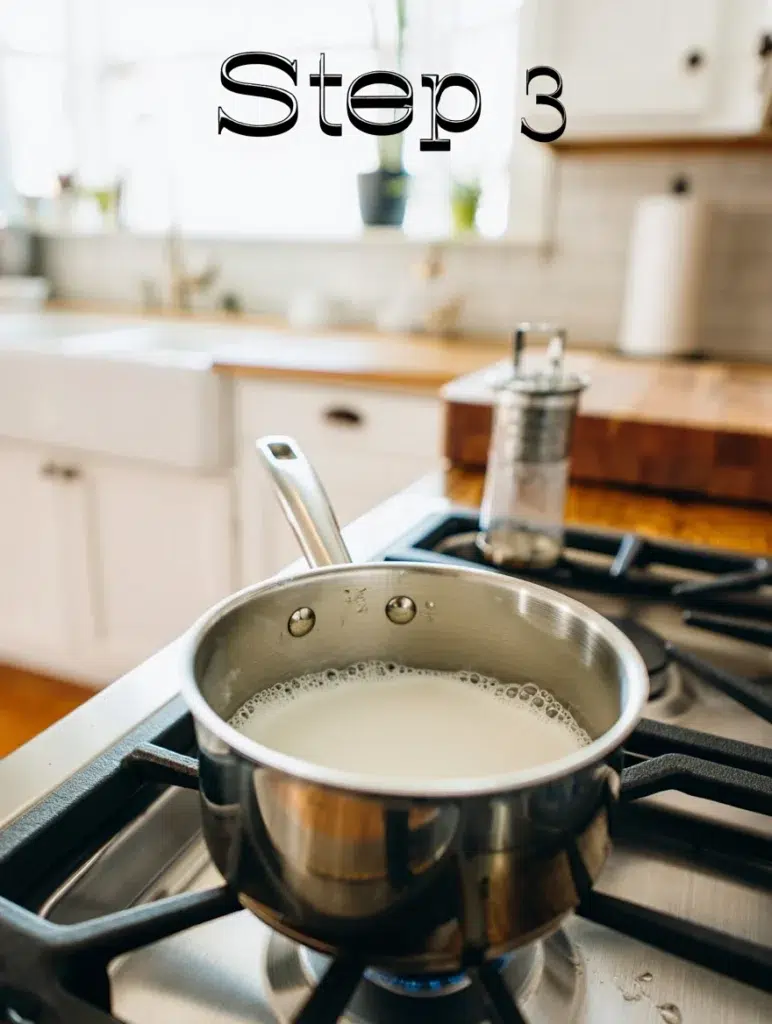
Step 3: Prepare Your Milk
Heat milk in a small saucepan over medium heat, stirring occasionally. Remove just before it boils you’ll see small bubbles forming at the edges. If you have a milk frother, use it now for 20-30 seconds.
Why it matters: Overheated milk tastes scorched and won’t froth. Underheated milk makes your drink lukewarm.
What to look for: Steam rising from the surface, small bubbles at the pan edges. Temperature should be around 150-160°F if you’re checking. Without a thermometer, test with your finger it should be hot but not burning.
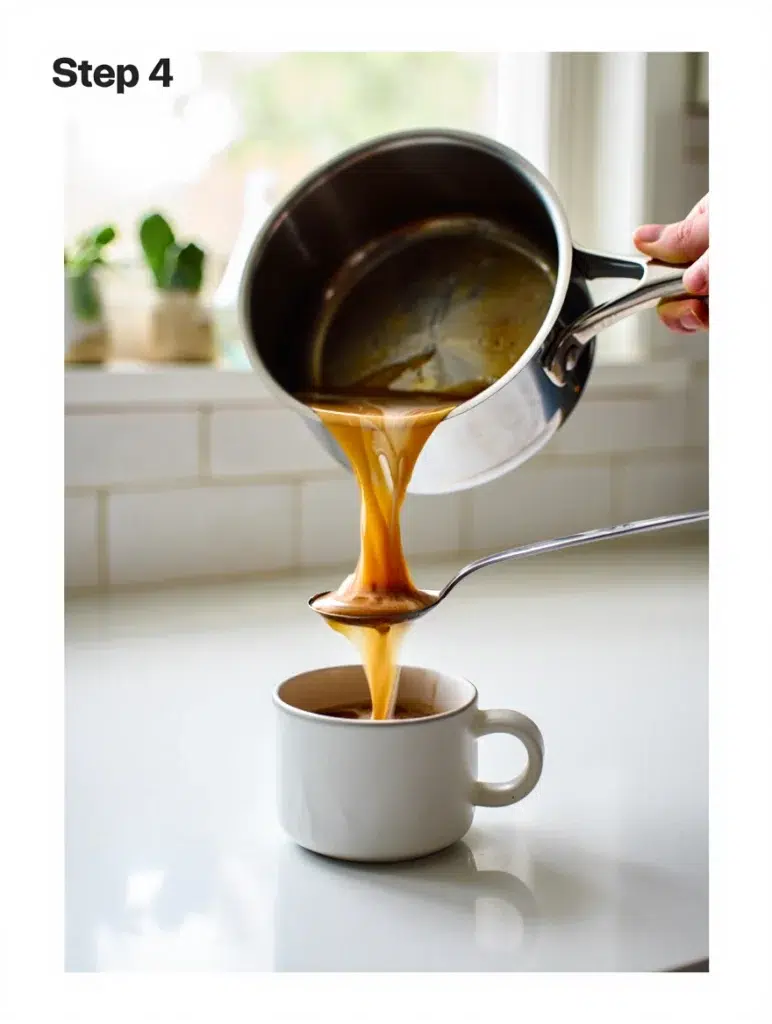
Step 4: Combine and Adjust
Pour the heated milk into your sweetened coffee. If you frothed it, hold back the foam with a spoon, then add it on top at the end.
Why it matters: This is your last chance to fix the balance. Taste it now.
What to look for: The color should be a light tan. If it looks too pale, add a splash more coffee. If it’s too strong, add more milk. Don’t be afraid to adjust this is your drink.
Step 5: Optional Finishing
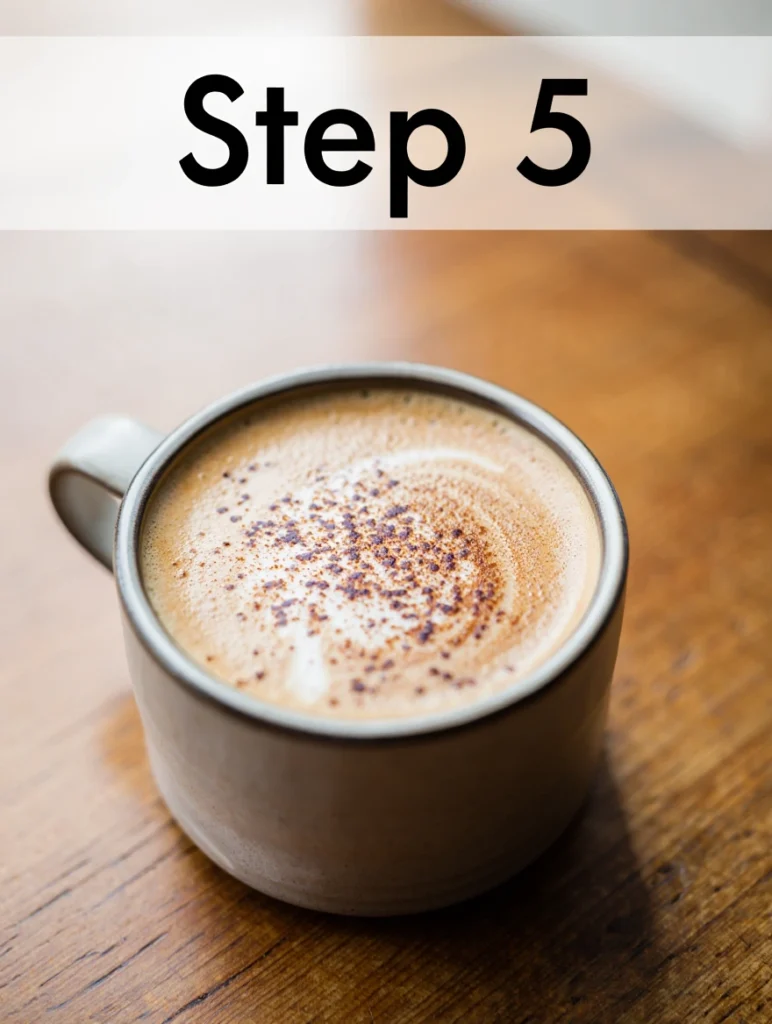
Add a light dusting of cocoa powder or cinnamon on top of any foam. This isn’t just for looks it adds a subtle flavor hit in the first sip.
Why it matters: It doesn’t, really. But it makes the drink feel intentional rather than thrown together.
What to look for: Just a pinch. Too much powder clumps and tastes chalky.
Common Mistakes I Made & How I Fixed Them
Mistake 1: Using Coffee That Sat Too Long
I used to brew a full pot in the morning, then make lattes from it throughout the day. By afternoon, the coffee tasted bitter and burned no matter how much milk I added.
Why it happened: Coffee oxidizes and develops harsh flavors after sitting for more than 30 minutes, especially if kept on a hot plate.
What I changed: Now I brew only what I need for immediate use. If I want a second drink later, I brew fresh. Takes an extra five minutes but the difference is obvious.
Mistake 2: Microwaving Cold Milk
I thought I could save time by just zapping cold milk for 45 seconds. The milk got hot, but it also developed weird “skin” on top and tasted flat.
Why it happened: Microwaves heat unevenly and don’t incorporate air the way stovetop heating does. The milk gets hot but doesn’t develop the smooth, slightly sweet taste you want.
What I changed: I heat milk in a small pot now. Takes 3-4 minutes but creates better texture. If I’m really rushed, I use hot water from an electric kettle to warm the milk container before microwaving helps it heat more evenly.
Mistake 3: Over-Frothing the Milk
When I first got a handheld frother, I went wild with it. Frothed for a full minute until the milk was basically whipped cream. It looked impressive but tasted terrible dry and foamy instead of creamy.
Why it happened: Over-frothing incorporates too much air. You end up with stiff foam that sits on top rather than integrating with the coffee.
What I changed: Now I froth for exactly 20-30 seconds. The milk should be creamy with small, fine bubbles not thick foam. Think cappuccino texture, not meringue.
Variations I Actually Tried
Iced Version
I cooled the brewed coffee to room temperature, added ice, cold milk, and simple syrup instead of sugar. Worked well, but regular sugar doesn’t dissolve in cold liquid. You need to make simple syrup first (equal parts sugar and water, heated until dissolved, then cooled).
What changed: Less creamy texture since you can’t froth cold milk the same way. Still good, just different.
Mocha Variation
Added 1 tablespoon of unsweetened cocoa powder to the hot coffee along with the sugar. Stirred vigorously to prevent clumps. Used ½ tablespoon more sugar to balance the cocoa’s bitterness.
What worked: The chocolate flavor came through clearly without being overwhelming. Tasted like an actual mocha, not hot chocolate with a coffee whisper.
What didn’t: Cocoa powder clumps if you don’t stir thoroughly while the coffee is hot. Had to learn that one the annoying way.
Cinnamon Maple Version
Replaced sugar with 1 tablespoon of pure maple syrup. Added ⅛ teaspoon of cinnamon to the hot coffee.
What worked: The maple brought a subtle, complex sweetness that regular sugar doesn’t have. The cinnamon complemented it naturally.
What didn’t: Maple syrup is thinner than I expected. It doesn’t create the same body as sugar, so the drink felt slightly less substantial.
Storage, Reheating & Real-Life Use
Fresh Consumption
These drinks are best consumed immediately. That’s kind of the whole point you’re making fresh coffee, not batch-preparing.
Reheating
If your drink sits for 15-20 minutes and cools, you can reheat it gently on the stove. Microwaving works in a pinch but can make the milk taste slightly cooked. Don’t bring it back to a boil.
What changes: The foam disappears completely. The drink is still drinkable but loses the textural element that made it feel special.
Reality Check
I don’t make these every single morning. Sometimes I just drink plain black coffee. These drinks work best when I have 10 minutes and want something that feels like a treat. On rushed mornings, I stick with regular coffee. That’s fine.
Who This Recipe Is / Is Not For
This recipe is for you if:
- You’re spending too much at coffee shops for drinks you could make at home
- You have basic kitchen equipment (pot, mug, spoon)
- You want to understand why your homemade coffee doesn’t taste like café coffee
- You’re willing to spend 10 minutes on technique rather than rushing through it
This recipe is not for you if:
- You genuinely prefer plain black coffee (nothing wrong with that)
- You don’t have any way to heat milk (these drinks need warm milk)
- You’re looking for exact café replication these are home versions, which means they’ll be good but different
- You need to make 10 drinks at once (this process works best for 1-2 servings)
Final Thoughts
I still mess these up occasionally. Last week I forgot to heat the milk first and ended up with lukewarm coffee I had to nuke in the microwave. It was fine, not great. That’s normal. The goal isn’t perfection it’s understanding what actually affects the flavor so you can troubleshoot when something’s off.
I make these maybe three times a week now. Other days I just drink regular coffee because I’m running late or don’t feel like cleaning the milk pot. For anyone exploring more morning drink options, our cottage cheese pancakes pair surprisingly well with any of these drinks the protein balances the caffeine nicely.
Next time I make these, I might try adding a tiny pinch of cardamom. I had it in a coffee shop once and it added an interesting warmth. Not sure how much to use yet. I’ll probably start with just a few crushed pods and see what happens.
Recipe Card Summary
Prep Time: 3 minutes
Cook Time: 7 minutes
Total Time: 10 minutes
Servings: 1 drink
Estimated Calories: 120-180 per serving (depending on milk and sugar amounts)
“While Johns Hopkins Medicine notes that moderate coffee consumption (3-5 cups daily) is generally safe for most adults, pregnant women and those with certain conditions should consult their doctors about appropriate caffeine levels.”
“A comprehensive analysis published in The BMJ reviewing over 200 meta-analyses found that coffee consumption was more often associated with health benefits than harm across multiple outcomes, with the greatest benefits seen at 3-4 cups daily.”
“For readers concerned about caffeine timing, research from the National Institutes of Health suggests that morning coffee consumption may have specific cardiovascular benefits compared to afternoon drinking.”