Table of Contents
Have you ever tasted a dish so full of history and flavor that it transports you to another place? What if you could journey through bustling souks and ancient cities, all from your own kitchen?
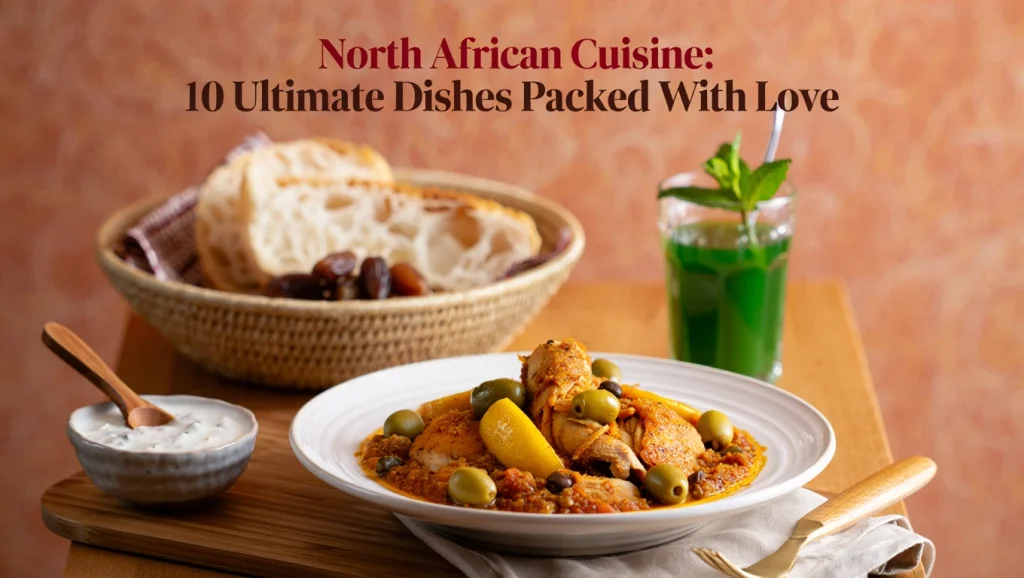
Welcome to the vibrant, aromatic world of North African cuisine. This is more than just food; it’s a rich tapestry woven from centuries of Berber, Arab, and Mediterranean traditions. Within the first 100 words of your culinary adventure, you’ll discover that every dish tells a story. From the slow-simmered stews of Morocco to the fiery pastes of Tunisia, this is food made to be shared, celebrated, and savored. Forget bland and boring meals. Today, we’re unlocking 10 ultimate dishes packed with spices, tradition, and a whole lot of love.
What is North African Cuisine?
North African cuisine, often called Maghrebi cuisine, primarily covers the culinary traditions of the Maghreb region: Morocco, Algeria, Tunisia, Libya, and Mauritania. It’s a fascinating fusion of influences. The indigenous Berber people laid the foundation with staples like couscous and simple, hearty cooking methods. Arab traders introduced a world of spices like saffron, cinnamon, and cumin, while Ottoman and European influences added further layers of complexity.
The result is a cuisine characterized by bold, complex flavors. Key ingredients include wheat (for bread and couscous), lamb, beef, chicken, fresh seafood, and an abundance of vegetables. Distinctive elements like salt-preserved lemons, olives, dates, and almonds give many dishes their signature sweet-and-savory profile.
The Symphony of Spices
You can’t talk about North African food without celebrating its soul: the spices. A trip to any market in the region is a feast for the senses, with vibrant mounds of color and intoxicating aromas filling the air. Spice blends are an art form, often a closely guarded family secret passed down through generations.

- Ras el Hanout: This complex Moroccan blend translates to “head of the shop,” meaning it’s the best the spice merchant has to offer. It can contain over two dozen spices, including cardamom, nutmeg, mace, ginger, and turmeric, creating a warm, aromatic, and slightly floral profile.
- Harissa: A fiery chili paste from Tunisia, Harissa is a cornerstone of the region’s flavor. Made with roasted red peppers, garlic, and a mix of spices like caraway and coriander, it adds a smoky heat to everything from stews to sandwiches. Its cultural importance is so great that it’s recognized by UNESCO as part of Tunisia’s intangible cultural heritage. Want to make your own? Discover the fiery flavors of homemade Tunisian Harissa.
- Cumin, Coriander, and Turmeric: This trio forms the backbone of many dishes, providing earthy, citrusy, and warm notes that are quintessentially North African.
10 Ultimate North African Dishes to Try Today
Ready to start your culinary journey? Here are 10 iconic dishes that define the heart and soul of North African cuisine.
1. Tagine (Morocco)
If one dish could represent Morocco, it would be the tagine. Named after the conical clay pot it’s cooked in, a tagine is a slow-cooked stew that is incredibly tender and flavorful. The pot’s unique shape traps steam, which condenses and drips back into the dish, keeping the meat and vegetables moist as they simmer for hours. Common variations include chicken with preserved lemons and olives, or lamb with apricots and almonds, perfectly balancing savory, sweet, and tangy flavors.

2. Couscous (Maghreb)
Couscous is more than a side dish; it’s a cultural institution across the Maghreb. These tiny granules of steamed semolina are the centerpiece of countless meals, especially for Friday family gatherings. The art is in the preparation: fluffy, light couscous is served as a bed for a rich stew, often featuring tender meat (like lamb or chicken) and a variety of vegetables such as carrots, zucchini, and turnips. A flavorful broth is ladled over the top just before serving.

3. Shakshouka (Tunisia)
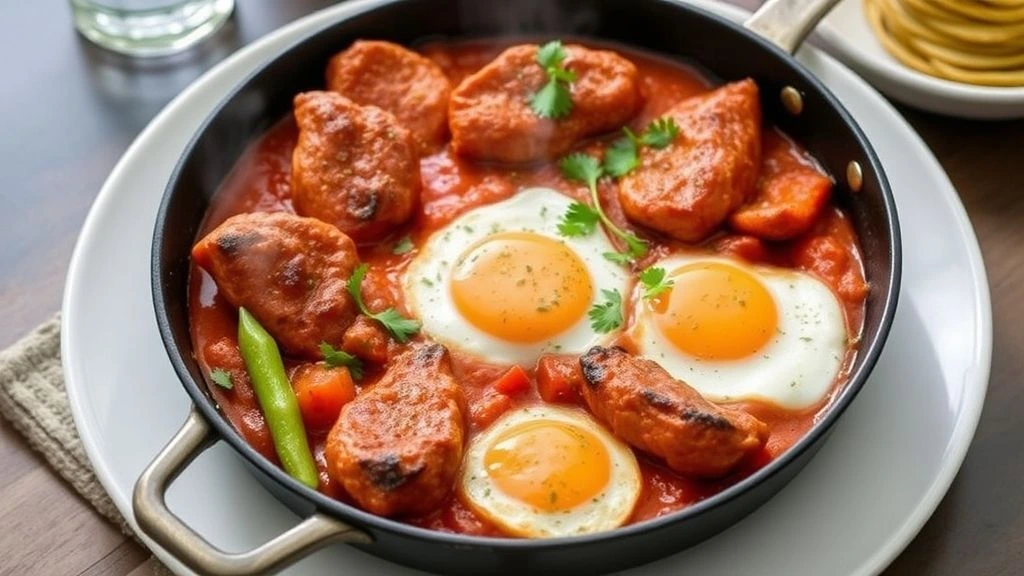
A breakfast favorite that’s perfect any time of day, Shakshouka (also spelled Chakchouka) is a simple yet profoundly satisfying dish. It features eggs gently poached in a zesty, spiced tomato and pepper sauce. Onions, garlic, and spices like cumin and paprika give the sauce its depth. Served straight from the pan with crusty bread for dipping, it’s a one-pan wonder that is both rustic and delicious. Ready to master this classic? Unlock 6 authentic secrets to make your Shakshouka unforgettable.
4. Pastilla (or Bisteeya) (Morocco)
Pastilla is a spectacular savory and sweet pie that showcases the complexity of Moroccan cuisine. It consists of flaky layers of warqa pastry (similar to phyllo dough) filled with tender, spiced pigeon or chicken, mixed with an almond layer flavored with orange blossom water. The top is dusted with powdered sugar and cinnamon, creating an incredible contrast of flavors and textures. It’s a true celebration dish, often served at weddings and special occasions.
5. Mechoui (North Africa)
Mechoui is a testament to the simple perfection of slow-roasting. Traditionally, a whole lamb is roasted on a spit over an open fire until the meat is fall-off-the-bone tender and the skin is incredibly crispy. The meat is seasoned simply with salt, pepper, and sometimes butter and spices, allowing the natural flavor of the lamb to shine. It’s a festive, communal dish that embodies hospitality.
6. Ful Medames (Egypt)
As the national dish of Egypt, Ful Medames is a hearty and historic staple. It’s a simple stew of cooked fava beans, often seasoned with olive oil, cumin, garlic, and lemon juice. Served for breakfast across the country, from street food carts to home kitchens, it’s a nutritious and filling start to the day. It’s typically eaten with bread and can be garnished with chopped parsley, onions, or hard-boiled eggs.
7. Harira (Morocco)
Harira is a traditional Moroccan soup that is especially popular during the holy month of Ramadan to break the fast at sunset. It’s a rich and comforting soup made with tomatoes, lentils, chickpeas, and small pieces of lamb or beef. Flavored with ginger, turmeric, and cinnamon, and thickened with a mixture of flour and water (called a tadouira), it’s a nourishing and deeply flavorful meal in a bowl.
8. Lablabi (Tunisia)
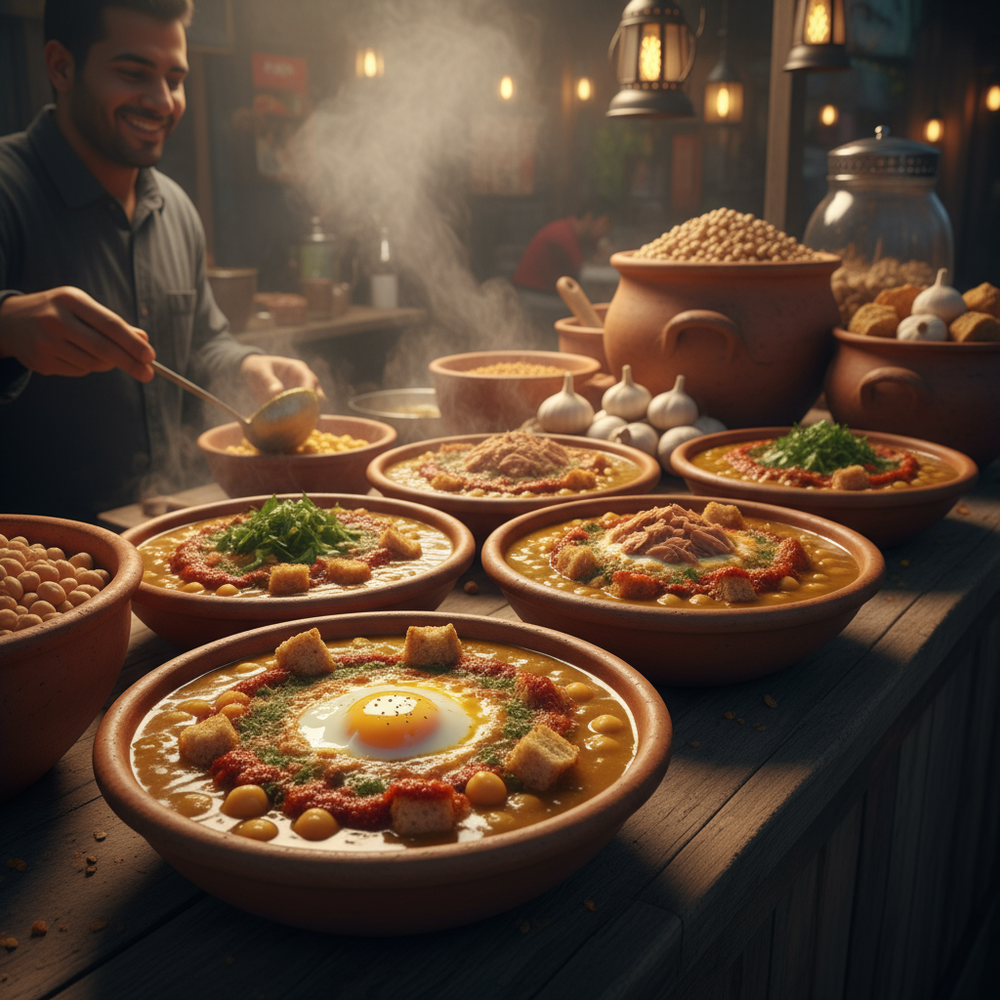
The ultimate Tunisian comfort food, Lablabi is a hearty chickpea soup that will warm you from the inside out. It’s a simple, rustic dish with a base of garlic and cumin-spiced broth filled with chickpeas. The magic happens at the table: stale bread is broken into a bowl, the hot soup is ladled over it, and then it’s customized with toppings like a soft-cooked egg, harissa, capers, and a drizzle of olive oil. Craving this comforting soup? Learn the 7 secrets to a rich and satisfying Lablabi.
9. Brik (Tunisia)
Brik à l’oeuf is a beloved Tunisian appetizer known for its delightful crunch and surprise inside. A thin, delicate pastry (malsouqa) is filled with a whole raw egg, folded into a triangle, and quickly deep-fried. The goal is a crispy, golden exterior while the egg yolk inside remains perfectly runny. It’s often filled with other ingredients like tuna, capers, or parsley. It’s a fun, interactive, and delicious experience. Discover 5 amazing reasons to try Tunisian Brik today!

10. M’hanncha (Morocco)
To finish our journey, let’s indulge in a sweet treat. M’hanncha, or “snake cake,” is a beautiful coiled pastry made from phyllo-like dough. It’s filled with a fragrant almond paste scented with orange blossom water and cinnamon. After baking to a golden brown, it’s drenched in a honey syrup, making it sticky, nutty, and irresistibly delicious. It’s often served with a glass of hot mint tea.
A Cuisine to Be Shared
From the slow-cooked tagine to the quick-fried brik, North African cuisine is a journey of flavor, history, and community. These 10 dishes are just the beginning of a rich culinary world waiting to be explored. So, gather your spices, invite your loved ones, and bring the heart of North Africa to your table.
What’s your favorite North African dish? Share your thoughts in the comments below, rate this post, and don’t forget to share it with a fellow food lover!Join Our Newsletter for More Recipes!
Frequently Asked Questions
What is the most popular food in North Africa?
Couscous is arguably the most popular and widespread food across the North African region (the Maghreb). It’s a staple food served in countless variations and is central to family meals and celebrations.
Is North African food spicy?
It can be, but it’s more accurately described as “well-spiced” rather than just “spicy-hot.” While dishes from Tunisia often feature the fiery kick of harissa, many other dishes, particularly from Morocco, focus on warm, aromatic spices like cinnamon, ginger, and turmeric, creating complex but mild flavors.
What are the main ingredients in North African cuisine?
Common staples include wheat (for couscous and bread), lamb, chicken, beef, and seafood. Vegetables like tomatoes, onions, carrots, and zucchini are widely used, along with legumes like chickpeas and lentils. Preserved lemons, olives, dates, and almonds are also key flavor components.
What is a tagine?
A tagine is both a type of North African stew and the conical earthenware pot it is traditionally cooked in. The pot’s shape allows steam to circulate, resulting in incredibly tender and flavorful meat and vegetables that are slow-cooked to perfection.
Is Moroccan and Tunisian food the same?
While they share many similarities as part of Maghrebi cuisine, they have distinct differences. Moroccan cuisine is often known for its subtle sweet-and-savory combinations, using fruits like apricots and prunes in stews. Tunisian cuisine, on the other hand, tends to be spicier, with a prominent use of harissa chili paste.
Author´sTop Recipes Piks
- My Mom’s 5-Ingredient Meatloaf Is My Favorite
- Easy Crustless Quiche Recipe With Cottage Cheese
- 5-Step Rich Dense Chocolate Cake Recipe
- Costa Rican Tea Recipe: How To Make This Best Comfort Drink
- Easy Lavash Bread Recipe: Homemade Armenian Flatbread
- The Ultimate Bourbon Cream Recipe: A Smooth and Luxurious Delight
- Krusteaz Pancake Mix Recipe: Easy Morning Favorite
Reference
[1]
Maghrebi cuisine – Wikipedia