Table of Contents
Introduction
Ever wondered if there’s a simpler, more delicious way to boost your daily hydration and energy levels beyond plain water or sugary drinks? While many turn to traditional fruit juices, the often-overlooked cantaloupe offers a refreshing and nutrient-packed alternative that can revitalize your body and mind. This comprehensive guide will dive deep into the world of Cantaloupe Juice, revealing three quick and easy methods to prepare this delightful beverage, along with its myriad health benefits, expert tips, and creative serving suggestions. Prepare to transform your approach to healthy living and discover why cantaloupe juice is the ultimate refreshment for feeling energized and invigorated.
Ingredients List
Crafting the perfect cantaloupe juice requires just a few simple ingredients, easily adaptable to your taste and dietary preferences. Here’s what you’ll need, along with some engaging suggestions for substitutions:
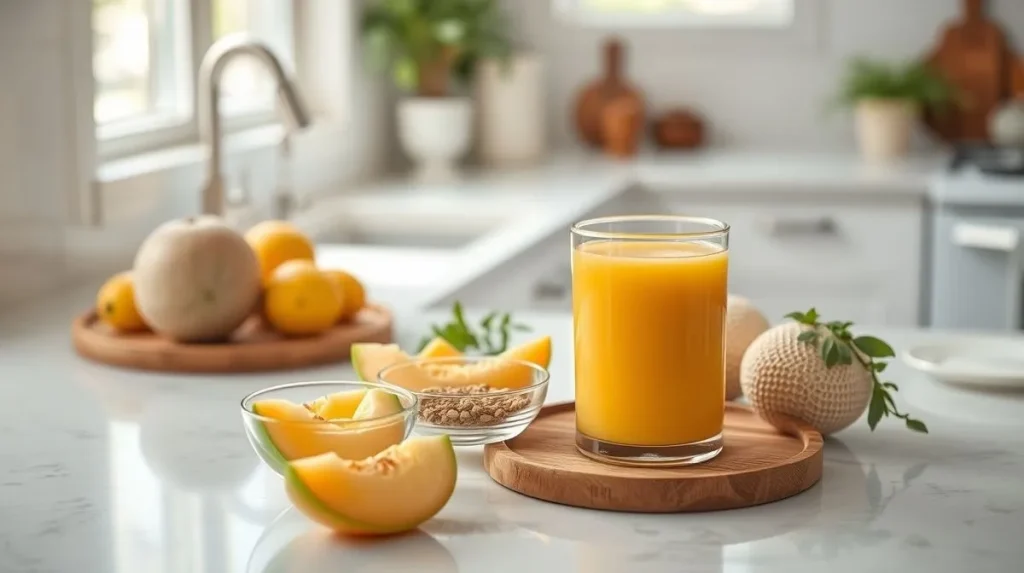
•Ripe Cantaloupe: The star of our show! Choose a cantaloupe that feels heavy for its size, has a sweet aroma at the stem end, and a slightly soft spot at the blossom end. You’ll need about ½ to 1 small cantaloupe, peeled, seeded, and cubed or shredded. For those seeking a more traditional Filipino ‘Melon sa Malamig’ experience, consider shredding the cantaloupe into long ribbons using a melon scraper or even a fork and spoon for a rustic touch.
•Liquid Base:
•Water: Approximately 3/4 cup to 4 cups, depending on your desired consistency and the amount of cantaloupe. This is the simplest base for a pure cantaloupe flavor.
•Milk (Optional): For a creamier, richer juice, consider adding 3/4 cup of milk. This can be dairy milk (whole, low-fat, or skim), or plant-based alternatives like almond milk, soy milk, or cashew milk for a dairy-free option. As one reviewer noted, “I used non-fat milk, but this would be good with almond, soy or cashew milk too.” [1]
•Sweetener (Optional): Adjust to your preference and the sweetness of your cantaloupe. Start with 1 tablespoon and add more if needed.
•White Sugar/Granulated Sugar: A classic choice for balanced sweetness.
•Simple Syrup: For a smoother integration and easier dissolution, especially in chilled juice. You can make a simple syrup by combining equal parts water and sugar and simmering until dissolved.
•Natural Sweeteners: Honey or agave nectar can be used as healthier alternatives. One reviewer suggested, “It needs more than just a little bit of sugar, so one or two extra tablespoons of honey or agave bring out the sweetness of the cantaloupe.” [1]
•Ice: Essential for serving a perfectly chilled and refreshing glass of cantaloupe juice. You can also freeze cantaloupe cubes and use them instead of ice for an even more concentrated flavor.
Optional Enhancements & Substitutions:
•Bananas: For extra sweetness and a thicker consistency, especially if your cantaloupe isn’t as sweet as desired. As one user shared, “The juice wasn’t as sweet as I like it to be so I added 2 bananas. It became so much sweeter.” [1]
•Mint Leaves: A few fresh mint leaves can add a refreshing, aromatic twist.
•Citrus: A squeeze of lime or lemon juice can brighten the flavors and add a zesty kick.
•Other Fruits: While this article focuses on cantaloupe, you can experiment with small amounts of other complementary fruits like strawberries or pineapple for unique flavor profiles.
References: [1] Allrecipes. “Quick Cantaloupe Juice Recipe.” Allrecipes, https://www.allrecipes.com/recipe/234301/quick-cantaloupe-juice/
Timing
One of the most appealing aspects of Cantaloupe Juice is its remarkable efficiency. Whether you’re in a rush or simply prefer quick and easy recipes, this refreshing beverage delivers maximum flavor with minimal time commitment. Here’s a breakdown of the typical timing:
•Prep Time: Approximately 5-15 minutes. This includes peeling, seeding, and cubing or shredding the cantaloupe, and gathering any additional ingredients. For instance, the Allrecipes version lists a prep time of just 10 minutes [1], while Serious Eats notes 15 minutes for their Filipino Cantaloupe Juice recipe [2]. The variation depends on your chosen method of preparing the cantaloupe (cubing versus shredding) and whether you’re making a simple syrup from scratch.
•Cook Time: Generally 0-5 minutes. For most cantaloupe juice recipes, there is no ‘cooking’ involved, as it’s a raw beverage. If you’re making a simple syrup, this might add 3-4 minutes of simmering time [3].
•Chill Time (Optional but Recommended): 4-8 hours. While you can enjoy the juice immediately, chilling it thoroughly allows the flavors to meld and intensify, resulting in a more refreshing and delicious drink. Serious Eats recommends at least 8 hours of chilling for their Melon (Filipino Cantaloupe Juice) to develop its flavor and sweetness [2]. Kitchen Confidante suggests a chill time of at least 4 hours [3]. This extended chilling time is crucial for optimal taste, making it an ideal make-ahead beverage.
•Total Time: This can range from a quick 10-15 minutes (if consumed immediately without chilling) to 8 hours and 15 minutes (including the recommended chilling time for enhanced flavor). For example, the Allrecipes recipe has a total time of 10 minutes [1], while the Serious Eats recipe, with its extended chilling, totals 8 hours and 15 minutes [2]. This flexibility allows you to fit cantaloupe juice preparation into any schedule.
Compared to many other homemade beverages or complex recipes, cantaloupe juice offers a significant time advantage. Its quick preparation makes it a perfect choice for busy mornings, a refreshing afternoon pick-me-up, or a delightful addition to any meal without demanding extensive kitchen time.
References: [1] Allrecipes. “Quick Cantaloupe Juice Recipe.” Allrecipes, https://www.allrecipes.com/recipe/234301/quick-cantaloupe-juice/ [2] Serious Eats. “Melon (Filipino Cantaloupe Juice) Recipe.” Serious Eats, https://www.seriouseats.com/melon-filipino-cantaloupe-juice [3] Kitchen Confidante. “Cantaloupe Juice | Kitchen Confidante.” Kitchen Confidante, https://kitchenconfidante.com/cantaloupe-juice-recipe/
Step-by-Step Instructions
Preparing Cantaloupe Juice is incredibly straightforward, offering flexibility based on your preferred texture and the tools you have available. Here are three quick ways to make this refreshing beverage, complete with dynamic language and actionable tips to ensure your juice is nothing short of perfect.
Method 1: The Quick Blender Method (Smooth Consistency)
This method is ideal for those who prefer a smooth, uniform juice, similar to a traditional fruit smoothie without the added thickness.
1.Prepare the Cantaloupe: Begin by washing the cantaloupe thoroughly. Cut it in half, scoop out the seeds and fibrous pulp, and then peel the rind. Cut the flesh into cubes that are small enough to fit easily into your blender.
•Tip: For an extra chill and to avoid diluting your juice with ice, freeze some of the cantaloupe cubes beforehand. This will result in a thicker, colder juice.
2.Combine Ingredients: Place the cantaloupe cubes into your blender. Add your chosen liquid base (water or milk) and any sweetener you desire. Start with a small amount of sweetener and adjust to taste later.
•Tip: If using milk, consider plant-based options like almond or cashew milk for a lighter, dairy-free version that still offers a creamy texture.
3.Blend Until Smooth: Secure the lid on your blender and blend on high speed until the mixture is completely smooth and no cantaloupe chunks remain. This usually takes about 1-2 minutes.
•Tip: If the mixture is too thick, add a little more water or milk, one tablespoon at a time, until you reach your desired consistency. If it’s too thin, add a few more frozen cantaloupe cubes.
4.Serve Immediately or Chill: Pour the freshly blended cantaloupe juice into glasses filled with ice. Serve immediately for the freshest taste. For enhanced flavor and a colder experience, cover and chill in the refrigerator for at least 30 minutes, or up to 4 hours.
Method 2: The Traditional Shredded Method (Filipino Melon sa Malamig Style)
Inspired by the Filipino ‘Melon sa Malamig,’ this method results in a juice with delightful strands of cantaloupe flesh, adding a unique texture and a more authentic experience.
1.Prepare the Cantaloupe: Wash the cantaloupe. Cut it in half and remove the seeds. Instead of cubing, you’ll be shredding the flesh. Traditionally, a melon scraper is used, but you can achieve similar results with a fork and spoon or even a coconut grater [2].
•Tip: To use a fork and spoon, hold one half of the cantaloupe and drag the fork tines vertically down the flesh, then scoop out the scored flesh with a spoon. Repeat until all the orange flesh is shredded. Avoid the green flesh, as it can be bitter.
2.Extract Juice from Seeds (Optional but Recommended): Scoop the seeds and any remaining pulp into a sieve placed over a bowl. Run about a cup of cold water through the seeds, pressing with the back of a spoon to extract any juice. This adds more cantaloupe flavor to your beverage [3].
3.Combine and Sweeten: Transfer the shredded cantaloupe and the extracted juice (if you performed step 2) into a pitcher. Add water and your simple syrup (or granulated sugar, dissolved in a small amount of warm water first). Stir well until the sweetener is fully dissolved.
•Tip: Adjust the sweetness to your liking. Remember that when served over ice, the sweetness might be perceived as less intense, so you might need a little more sugar than you think [3].
4.Chill Thoroughly: Cover the pitcher and chill in the refrigerator for at least 4-8 hours. This chilling time is crucial for the flavors to develop and for the shredded cantaloupe to fully infuse the liquid [2, 3].
5.Serve with Ice: When ready to serve, pour the chilled cantaloupe juice over ice, ensuring that some of the shredded cantaloupe ends up in each glass. A straw and a spoon can be provided for easy drinking and scooping the delicious melon strands.
Method 3: The Quick & Easy 3-Ingredient Method
This method focuses on simplicity and speed, perfect for a refreshing drink with minimal fuss.
1.Prepare Cantaloupe: Peel, seed, and cube ½ cantaloupe.
2.Blend: Place the cantaloupe cubes, ¾ cup milk (or water), and 1 tablespoon white sugar into a blender. Cover and blend until smooth [1].
3.Serve: Pour into glasses and enjoy immediately.
References: [1] Allrecipes. “Quick Cantaloupe Juice Recipe.” Allrecipes, https://www.allrecipes.com/recipe/234301/quick-cantaloupe-juice/ [2] Serious Eats. “Melon (Filipino Cantaloupe Juice) Recipe.” Serious Eats, https://www.seriouseats.com/melon-filipino-cantaloupe-juice [3] Kitchen Confidante. “Cantaloupe Juice | Kitchen Confidante.” Kitchen Confidante, https://kitchenconfidante.com/cantaloupe-juice-recipe/
Nutritional Information
Cantaloupe Juice is not only a delicious and refreshing beverage but also a powerhouse of essential nutrients. Understanding its nutritional profile can help you appreciate the health benefits it offers. Below is a summary of the nutritional information per serving, based on data from various sources:
| Nutrient | Allrecipes (per serving) [1] | Serious Eats (per serving) [2] | Kitchen Confidante (per serving) [3] |
| Calories | 117 kcal | 187 kcal | 536 kcal |
| Total Fat | 2g | 0g | 1g |
| Saturated Fat | 1g | – | 1g |
| Polyunsaturated Fat | – | – | 1g |
| Monounsaturated Fat | – | – | 1g |
| Carbohydrates | 22g | 47g | 141g |
| Dietary Fiber | 1g | – | 1g |
| Total Sugars | 21g | – | 141g |
| Protein | 4g | 2g | 1g |
| Cholesterol | 7mg | – | – |
| Sodium | 60mg | – | 70mg |
| Potassium | 506mg | – | 202mg |
| Vitamin C | 51mg (56% DV) | – | 20mg |
| Vitamin A | – | – | 1864IU |
| Calcium | 120mg (9% DV) | – | 23mg |
| Iron | 0mg (2% DV) | – | 3mg |
Note: Nutritional information can vary based on the ripeness of the cantaloupe, the exact measurements of ingredients, and any optional additions like milk or extra sweeteners. The values provided are estimates based on available data from the cited sources.
Key Nutritional Highlights:
•Rich in Vitamin C: Cantaloupe is an excellent source of Vitamin C, a powerful antioxidant that supports immune function and skin health. The Allrecipes version provides 56% of the Daily Value for Vitamin C per serving [1].
•Good Source of Potassium: Potassium is crucial for maintaining fluid balance, nerve signals, and muscle contractions. Cantaloupe juice contributes significantly to your daily potassium intake.
•Hydrating: With its high water content, cantaloupe juice is incredibly hydrating, making it an ideal beverage for hot weather or post-workout recovery.
•Naturally Sweet: The natural sugars in cantaloupe provide a sweet taste without the need for excessive added sugars, especially if you choose a ripe melon.
References: [1] Allrecipes. “Quick Cantaloupe Juice Recipe.” Allrecipes, https://www.allrecipes.com/recipe/234301/quick-cantaloupe-juice/ [2] Serious Eats. “Melon (Filipino Cantaloupe Juice) Recipe.” Serious Eats, https://www.seriouseats.com/melon-filipino-cantaloupe-juice [3] Kitchen Confidante. “Cantaloupe Juice | Kitchen Confidante.” Kitchen Confidante, https://kitchenconfidante.com/cantaloupe-juice-recipe/
Healthier Alternatives for the Recipe
While Cantaloupe Juice is inherently a healthy and refreshing beverage, there are several ways to modify the recipe to further enhance its nutritional benefits and cater to various dietary needs. These alternatives ensure you can enjoy this delicious drink while aligning with your health goals.
•Reduce or Eliminate Added Sugar: The simplest way to make your cantaloupe juice healthier is to rely on the natural sweetness of a ripe cantaloupe. If you find it needs a little extra sweetness, opt for natural alternatives like a small amount of honey, agave nectar, or a few drops of stevia. You can also blend in naturally sweet fruits like bananas (as suggested by a user [1]) or dates to boost sweetness without refined sugars.
•Choose Unsweetened Liquid Bases: If using milk, select unsweetened varieties of almond milk, soy milk, or other plant-based milks to avoid hidden sugars. For a lighter option, simply use water or coconut water, which adds natural electrolytes.
•Boost Fiber Content: While juicing removes some fiber, you can retain more by using a less powerful blender or by incorporating the shredded cantaloupe method (Method 2). You can also add a tablespoon of chia seeds or flax seeds to your juice for an extra fiber boost, which aids digestion and promotes satiety.
•Incorporate Nutrient-Dense Add-ins:
•Leafy Greens: A handful of spinach or kale can be blended in for added vitamins and minerals without significantly altering the taste, especially when combined with the sweet cantaloupe.
•Ginger: A small piece of fresh ginger root can add a zesty kick and offers anti-inflammatory benefits.
•Turmeric: A pinch of turmeric powder can provide powerful antioxidants and a vibrant color.
•Citrus Zest: A little lemon or lime zest can enhance the flavor profile and add extra antioxidants.
•Protein Boost: For a more filling and balanced drink, especially as a post-workout recovery beverage, consider adding a scoop of unflavored or vanilla protein powder. This can transform your juice into a nutritious mini-meal.
•Spice it Up (Naturally): A dash of cinnamon or a tiny pinch of cayenne pepper can add interesting flavor dimensions and potential metabolic benefits.
By implementing these healthier alternatives, you can customize your Cantaloupe Juice to be an even more potent source of nutrition, perfectly tailored to your individual health and wellness journey.
References: [1] Allrecipes. “Quick Cantaloupe Juice Recipe.” Allrecipes, https://www.allrecipes.com/recipe/234301/quick-cantaloupe-juice/
Serving Suggestions
Once your refreshing Cantaloupe Juice is prepared, the possibilities for serving are as creative as they are appealing. Elevate your experience with these suggestions, designed to resonate with a broad audience and make your cantaloupe juice even more inviting and versatile.
•Classic Chilled: The most straightforward and often most satisfying way to enjoy cantaloupe juice is simply poured over ice. Ensure the juice is thoroughly chilled for optimal refreshment. For the shredded cantaloupe juice (Melon sa Malamig), make sure to include some of the delightful melon strands in each glass [2, 3].
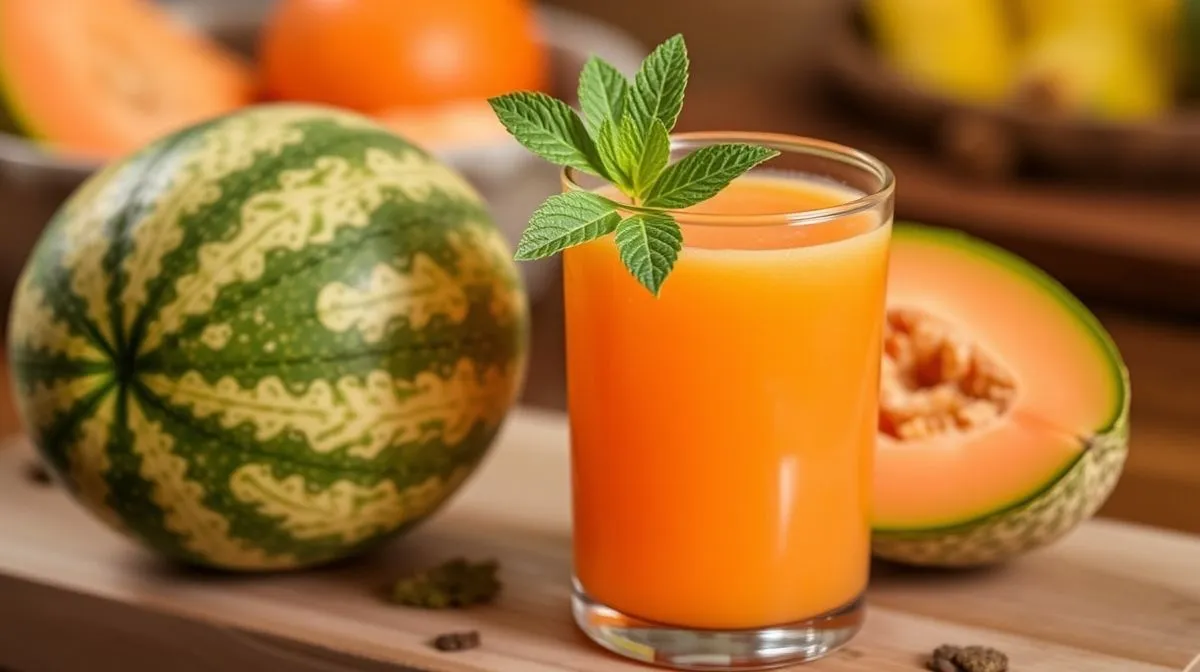
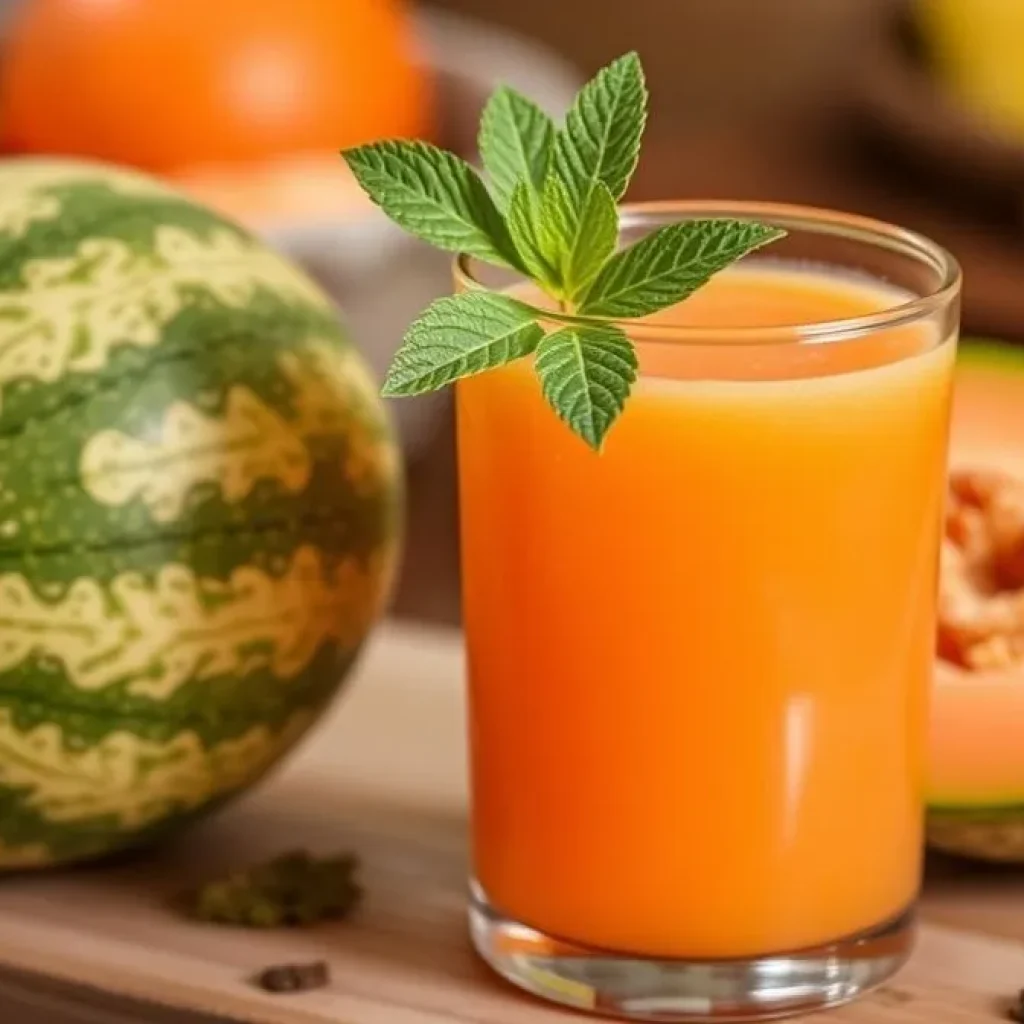
•Garnish with Fresh Herbs or Fruit: A sprig of fresh mint, a slice of lime, or a small wedge of cantaloupe on the rim of the glass can add an elegant touch and enhance the aroma. For a pop of color, consider adding a few fresh berries.
•Frozen Delights:
•Popsicles: Pour the cantaloupe juice into popsicle molds and freeze for a healthy and delicious summer treat. This is especially great for kids!
•Slushie: Blend the juice with extra ice for a thicker, slushie-like consistency, perfect for a hot day.
•Ice Cubes: Freeze leftover cantaloupe juice in ice cube trays. Use these cubes in water, sparkling water, or even other fruit juices to add a subtle cantaloupe flavor without dilution.
•Sparkling Cantaloupe Refresher: For a fizzy and festive drink, combine equal parts cantaloupe juice with sparkling water, club soda, or even a light ginger ale. This adds a delightful effervescence.
•Smoothie Base: Use cantaloupe juice as the liquid base for your morning smoothies. It pairs wonderfully with bananas, spinach, and other tropical fruits.
•Cocktail Mixer: For adult beverages, cantaloupe juice can be a fantastic mixer. It complements white spirits like vodka, gin, or light rum. Consider a cantaloupe mimosa by adding it to sparkling wine or champagne.
•Breakfast Companion: Serve cantaloupe juice alongside your breakfast or brunch. Its light and refreshing nature makes it a perfect complement to eggs, pancakes, or yogurt.
•Dessert Topping: A drizzle of cantaloupe juice can add a fresh, fruity note to plain yogurt, vanilla ice cream, or even a fruit salad.
By experimenting with these serving suggestions, you can transform a simple glass of Cantaloupe Juice into a versatile and exciting part of your culinary repertoire, ensuring it never gets boring.
References: [2] Serious Eats. “Melon (Filipino Cantaloupe Juice) Recipe.” Serious Eats, https://www.seriouseats.com/melon-filipino-cantaloupe-juice [3] Kitchen Confidante. “Cantaloupe Juice | Kitchen Confidante.” Kitchen Confidante, https://kitchenconfidante.com/cantaloupe-juice-recipe/
Common Mistakes to Avoid
Even with a seemingly simple recipe like Cantaloupe Juice, there are common pitfalls that can prevent you from achieving the best possible taste and texture. Being aware of these can help you avoid disappointment and ensure a consistently delicious result.
•Using Under-ripe Cantaloupe: This is perhaps the most critical mistake. An under-ripe cantaloupe will lack sweetness and flavor, resulting in a bland and watery juice. Always choose a cantaloupe that is fragrant, feels heavy for its size, and has a slightly soft spot at the blossom end. If your cantaloupe isn’t sweet enough, you’ll end up needing to add excessive amounts of sweetener, which defeats the purpose of a naturally healthy drink.
•Over-diluting the Juice: Adding too much water or milk can significantly dilute the cantaloupe flavor, making the juice taste weak. Start with the recommended liquid amounts and adjust gradually to achieve your desired consistency without sacrificing flavor.
•Not Chilling Thoroughly: While you can drink the juice immediately, not chilling it for a sufficient period (at least 4 hours, ideally 8 hours) means you miss out on the full flavor development. Chilling allows the flavors to meld and the juice to become truly refreshing. This is especially true for the shredded cantaloupe method, where infusion is key [2, 3].
•Ignoring the Seeds and Pulp (for Traditional Method): In the Filipino ‘Melon sa Malamig’ style, extracting juice from the seeds and pulp through a sieve is an important step that adds depth of flavor. Skipping this can result in a less authentic and less flavorful juice [3].
•Over-sweetening: While adjusting sweetness is important, it’s easy to go overboard. Remember that the natural sweetness of ripe cantaloupe is often sufficient. Taste as you go and add sweeteners incrementally. If serving over ice, remember that the cold can slightly mute sweetness, so a little extra might be needed, but don’t overdo it [3].
•Not Straining (if desired): If you prefer a completely smooth juice and are using a blender, ensure you blend long enough to eliminate all fibrous bits. For some, straining the juice through a fine-mesh sieve after blending can provide an even smoother texture, though this will remove some fiber.
By being mindful of these common mistakes, you can ensure your Cantaloupe Juice is always at its best – flavorful, refreshing, and perfectly balanced.
References: [2] Serious Eats. “Melon (Filipino Cantaloupe Juice) Recipe.” Serious Eats, https://www.seriouseats.com/melon-filipino-cantaloupe-juice [3] Kitchen Confidante. “Cantaloupe Juice | Kitchen Confidante.” Kitchen Confidante, https://kitchenconfidante.com/cantaloupe-juice-recipe/
Storing Tips for the Recipe
Proper storage is key to extending the freshness and flavor of your homemade Cantaloupe Juice. Whether you’re preparing a large batch or simply have leftovers, these practical tips will help you maintain its quality.
•Refrigeration:
•Airtight Container: Always store cantaloupe juice in a clean, airtight container in the refrigerator. This prevents oxidation, which can lead to loss of nutrients and flavor, and keeps out other food odors.
•Duration: Freshly made cantaloupe juice is best consumed within 2-3 days when stored in the refrigerator. The Serious Eats recipe suggests it can be refrigerated for up to 5 days in an airtight container [2]. However, for optimal taste and nutritional value, earlier consumption is recommended.
•Freezing (for longer storage):
•Ice Cube Trays: For longer storage, pour the cantaloupe juice into ice cube trays and freeze. Once frozen, transfer the cubes to a freezer-safe bag or container. This method is excellent for portion control and allows you to enjoy cantaloupe juice whenever a craving strikes.
•Freezer-Safe Containers: You can also freeze the juice in freezer-safe containers, leaving a little headspace for expansion. Frozen cantaloupe juice can last for up to 2-3 months.
•Thawing: Thaw frozen cantaloupe juice in the refrigerator overnight or use the frozen cubes directly in smoothies or as flavorful ice in other beverages.
•Prepping Ingredients Ahead of Time:
•Cubed Cantaloupe: If you want to save time on busy days, you can peel, seed, and cube your cantaloupe in advance and store it in an airtight container in the refrigerator for up to 3-4 days. You can also freeze the cubes for later use in blended juices or smoothies.
•Simple Syrup: If your recipe calls for simple syrup, you can prepare a batch ahead of time and store it in a sealed jar in the refrigerator for up to a month. This makes assembly much quicker when you’re ready to make the juice.
By following these storing tips, you can ensure that your Cantaloupe Juice remains fresh, flavorful, and ready to enjoy whenever you need a refreshing boost.
References: [2] Serious Eats. “Melon (Filipino Cantaloupe Juice) Recipe.” Serious Eats, https://www.seriouseats.com/melon-filipino-cantaloupe-juice
Expert Tips & Tricks
To truly master the art of making Cantaloupe Juice and elevate your beverage from good to extraordinary, consider these expert tips and tricks. These insights will help you maximize flavor, optimize texture, and ensure every glass is a delightful experience.
•Selecting the Perfect Cantaloupe: The quality of your juice begins with the fruit itself. Look for cantaloupes that are:
•Fragrant: A sweet, musky aroma at the stem end indicates ripeness.
•Heavy for its Size: This suggests a high water content and juicy flesh.
•Slightly Soft at the Blossom End: Avoid overly soft or hard spots.
•Webbed Skin: A prominent, raised netting on the skin is a good sign of ripeness.
•Sound Test: A hollow sound when tapped can also indicate ripeness, though this is less reliable than aroma and feel.
•Temperature Matters: Serve your cantaloupe juice very cold. Chilling not only enhances the refreshing quality but also allows the flavors to meld and deepen. If you’re short on time, blend in a few ice cubes or frozen cantaloupe chunks to instantly chill the juice.
•Adjust Sweetness to Taste: Cantaloupes vary in sweetness. Always taste your juice before adding sweetener. If your cantaloupe is exceptionally ripe, you might not need any added sugar at all. If it’s less sweet, add sweeteners gradually, tasting after each addition, especially if serving over ice, as cold dulls sweetness.
•Don’t Waste the Seeds (for traditional method): As highlighted in the traditional Filipino method, the pulp and seeds contain a surprising amount of flavor. Running water through them in a sieve extracts this essence, adding depth to your juice without extra effort [3].
•Experiment with Flavor Pairings: While delicious on its own, cantaloupe juice can be a fantastic base for other flavors. Consider:
•Mint: A classic pairing that adds a refreshing coolness.
•Ginger: A small piece of fresh ginger can add a spicy kick and digestive benefits.
•Lime or Lemon: A squeeze of citrus brightens the flavor and adds a tangy contrast.
•Coconut Water: Substitute some or all of the water with coconut water for added electrolytes and a tropical twist.
•Consider Texture: Decide whether you prefer a smooth or slightly pulpy juice. For a perfectly smooth consistency, strain the blended juice through a fine-mesh sieve. If you enjoy a bit of texture, especially the delightful strands of the Filipino style, embrace the pulp!
•Batch Preparation: Cantaloupe juice is perfect for making in larger batches. Prepare a bigger quantity and store it properly (as per the storing tips) so you have a healthy, refreshing drink readily available throughout the week.
By incorporating these expert tips, you’ll consistently create Cantaloupe Juice that is not only delicious but also perfectly tailored to your preferences, making it a staple in your healthy beverage rotation.
References: [3] Kitchen Confidante. “Cantaloupe Juice | Kitchen Confidante.” Kitchen Confidante, https://kitchenconfidante.com/cantaloupe-juice-recipe/
Examples or Case Studies
To illustrate the versatility and real-world appeal of Cantaloupe Juice, let’s explore a few scenarios and personal stories that highlight its impact and how it fits into diverse lifestyles.
Case Study 1: The Post-Workout Refresher
Sarah, a fitness enthusiast, often struggled to find a natural and effective post-workout drink that wasn’t loaded with artificial ingredients. Traditional sports drinks felt too sugary, and plain water sometimes wasn’t enough to replenish her energy. She discovered cantaloupe juice and was amazed by its hydrating and energizing properties. “After a tough gym session, a glass of chilled cantaloupe juice is exactly what I need,” she shares. “It’s naturally sweet, incredibly refreshing, and I feel rehydrated and energized without any jitters or sugar crash. It’s become my go-to recovery drink.” The natural electrolytes and vitamins in cantaloupe make it an ideal choice for replenishing fluids and nutrients lost during exercise.
Case Study 2: A Taste of Home – The Filipino Connection
Maria, who grew up in the Philippines, fondly remembers her grandmother making Melon sa Malamig during hot summer days. Living abroad, she missed this authentic taste of home. “I tried making it myself using the shredded method, and it brought back so many memories,” Maria recounts. “The long strands of cantaloupe in the sweet, icy juice are just perfect. It’s more than just a drink; it’s a piece of my heritage that I can now share with my own children.” This personal connection highlights how food and drink can evoke powerful memories and cultural identity.
Case Study 3: The Busy Parent’s Healthy Hack
David, a busy father of two, was looking for quick and healthy snack options for his kids that weren’t processed or high in sugar. He started making cantaloupe juice using the quick blender method. “My kids absolutely love it!” David exclaims. “It’s so easy to whip up, and I know they’re getting good nutrients without all the added junk. Sometimes I even freeze it into popsicles for a fun, healthy treat. It’s a lifesaver on hectic days.” This demonstrates how cantaloupe juice can be a convenient and nutritious choice for families seeking healthier alternatives.
These examples underscore that Cantaloupe Juice is more than just a recipe; it’s a versatile beverage that can enhance well-being, connect us to cultural roots, and simplify healthy living for individuals and families alike. Its natural goodness and adaptability make it a valuable addition to any lifestyle.
{
  "@context": "https://schema.org",
  "@type": "Recipe",
  "name": "Cantaloupe Juice",
  "image": "https://bestwayrecipes.com/wp-content/uploads/2025/08/cantaloupe-juice.webp",
  "author": {
    "@type": "Person",
    "name": "Sophie"
  },
  "description": "This refreshing Cantaloupe Juice is naturally sweet, hydrating, and ready in just 10 minutes. A perfect summer drink packed with vitamins and flavor.",
  "prepTime": "PT10M",
  "cookTime": "PT0M",
  "totalTime": "PT10M",
  "recipeYield": "4 servings",
  "recipeCuisine": "American",
  "recipeCategory": "Beverage",
  "keywords": "summer drink, refreshing, melon juice, healthy juice, hydrating, fruit beverage, no added sugar, vitamin C, summer cooler",
  "nutrition": {
    "@type": "NutritionInformation",
    "calories": "60 kcal"
  },
  "recipeIngredient": [
    "1 medium ripe cantaloupe (about 3–4 lbs), peeled, seeded, and cubed",
    "1 cup cold water (adjust for desired consistency)",
    "1–2 teaspoons fresh lime or lemon juice (optional)",
    "1–2 teaspoons honey or agave (optional)",
    "Ice cubes (for serving)"
  ],
  "recipeInstructions": [
    {
      "@type": "HowToStep",
      "text": "Cut the cantaloupe in half, scoop out the seeds, and remove the rind. Cube the flesh."
    },
    {
      "@type": "HowToStep",
      "text": "Add the cantaloupe cubes to a blender with cold water, lime juice, and honey (if using). Blend on high until smooth."
    },
    {
      "@type": "HowToStep",
      "text": "If you prefer pulp-free juice, pour the blended juice through a fine mesh strainer into a pitcher."
    },
    {
      "@type": "HowToStep",
      "text": "Serve immediately over ice or chill in the fridge for up to 24 hours."
    }
  ],
  "aggregateRating": {
    "@type": "AggregateRating",
    "ratingValue": "4.8",
    "ratingCount": "152"
  },
  "tool": [
    {
      "@type": "HowToTool",
      "name": "Blender"
    },
    {
      "@type": "HowToTool",
      "name": "Fine mesh strainer"
    },
    {
      "@type": "HowToTool",
      "name": "Large knife"
    },
    {
      "@type": "HowToTool",
      "name": "Spoon"
    },
    {
      "@type": "HowToTool",
      "name": "Measuring cup"
    },
    {
      "@type": "HowToTool",
      "name": "Pitcher"
    }
  ]
}
Conclusion
In summary, Cantaloupe Juice offers a refreshing, nutritious, and incredibly versatile way to hydrate and energize. With quick preparation methods, adaptable ingredients, and numerous health benefits, it’s a perfect addition to any lifestyle. We encourage you to try these recipes, experiment with flavors, and discover your favorite way to enjoy this delightful beverage. Share your feedback in the comments below or subscribe for more refreshing recipes and health tips!
FAQs
Here are some anticipated questions and clear, engaging answers to address common concerns about Cantaloupe Juice:
Q1: What are the main health benefits of drinking cantaloupe juice?
A1: Cantaloupe juice is packed with vitamins and minerals, particularly Vitamin C, which boosts immunity, and potassium, essential for hydration and muscle function. It’s also highly hydrating due to its high water content and provides natural sugars for energy.
Q2: Can I make cantaloupe juice without a blender?
A2: While a blender is ideal for a smooth consistency, you can make a version of cantaloupe juice by finely shredding the cantaloupe (using a grater or the fork-and-spoon method) and then mixing it with water and sweetener. This results in a more textured drink, similar to the Filipino ‘Melon sa Malamig’.
Q3: How long does homemade cantaloupe juice last?
A3: Freshly made cantaloupe juice is best consumed within 2-3 days when stored in an airtight container in the refrigerator. For longer storage, you can freeze it in ice cube trays or freezer-safe containers for up to 2-3 months.
Q4: Can I add other fruits or vegetables to my cantaloupe juice?
A4: Absolutely! Cantaloupe juice is very versatile. You can add other fruits like bananas (for sweetness and thickness), strawberries, or pineapple. For an extra nutritional boost, consider blending in a handful of spinach or a small piece of ginger.
Q5: Why is my cantaloupe juice not sweet enough?
A5: The sweetness of your juice largely depends on the ripeness of your cantaloupe. Ensure you choose a ripe cantaloupe. If it’s still not sweet enough, you can add natural sweeteners like honey, agave, or simple syrup, or blend in naturally sweet fruits like bananas.