
Table of Contents
Paleo Pumpkin Muffins (And What Three Batches Taught Me)
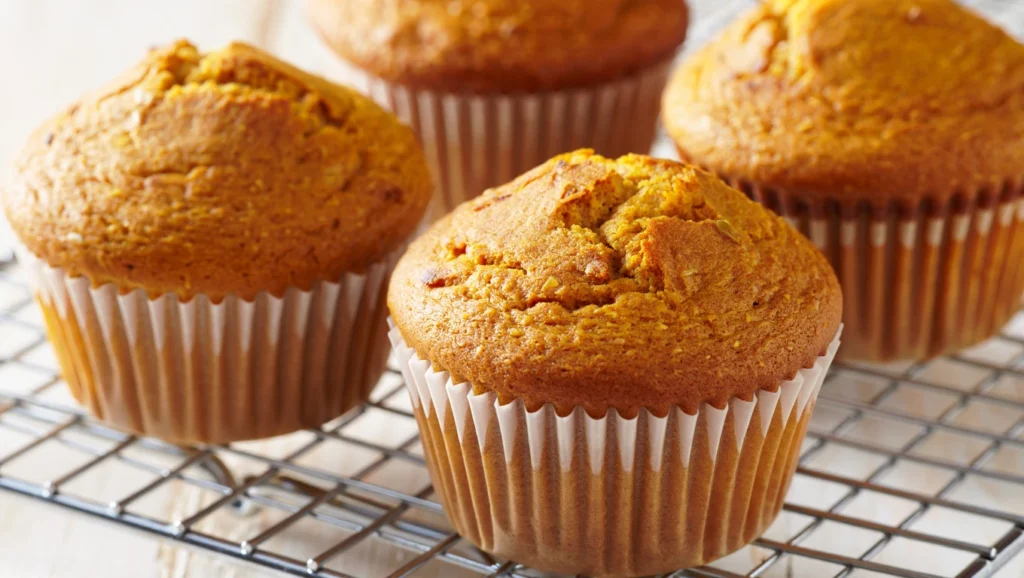
I ruined my first batch of paleo pumpkin muffins by treating almond flour like regular flour. I stirred the batter for a full two minutes, thinking I needed to work out lumps. What I got were dense, gummy hockey pucks that my kids refused to touch. The second batch? I overfilled the muffin cups because I wanted those bakery-style domed tops. They spilled over the edges, created a crusty mess in the pan, and stuck so badly to the liners that half the muffin stayed behind when I tried to peel them. By batch three, I’d figured out the tricks and now these muffins actually work.
Why This Recipe Works
- For whom: Anyone eating paleo, gluten-free, or dairy-free who wants a breakfast muffin that doesn’t taste like health food
- When it’s useful: Meal prep Sundays, quick weekday breakfasts, school lunchboxes, post-workout snacks
- Problem it solves: Most grain-free muffins either crumble apart or turn gummy. This one holds together but stays tender
- What makes it different: Uses minimal ingredients (no coconut flour combo), relies on proper technique rather than exotic binders
Ingredients (With Real Context)
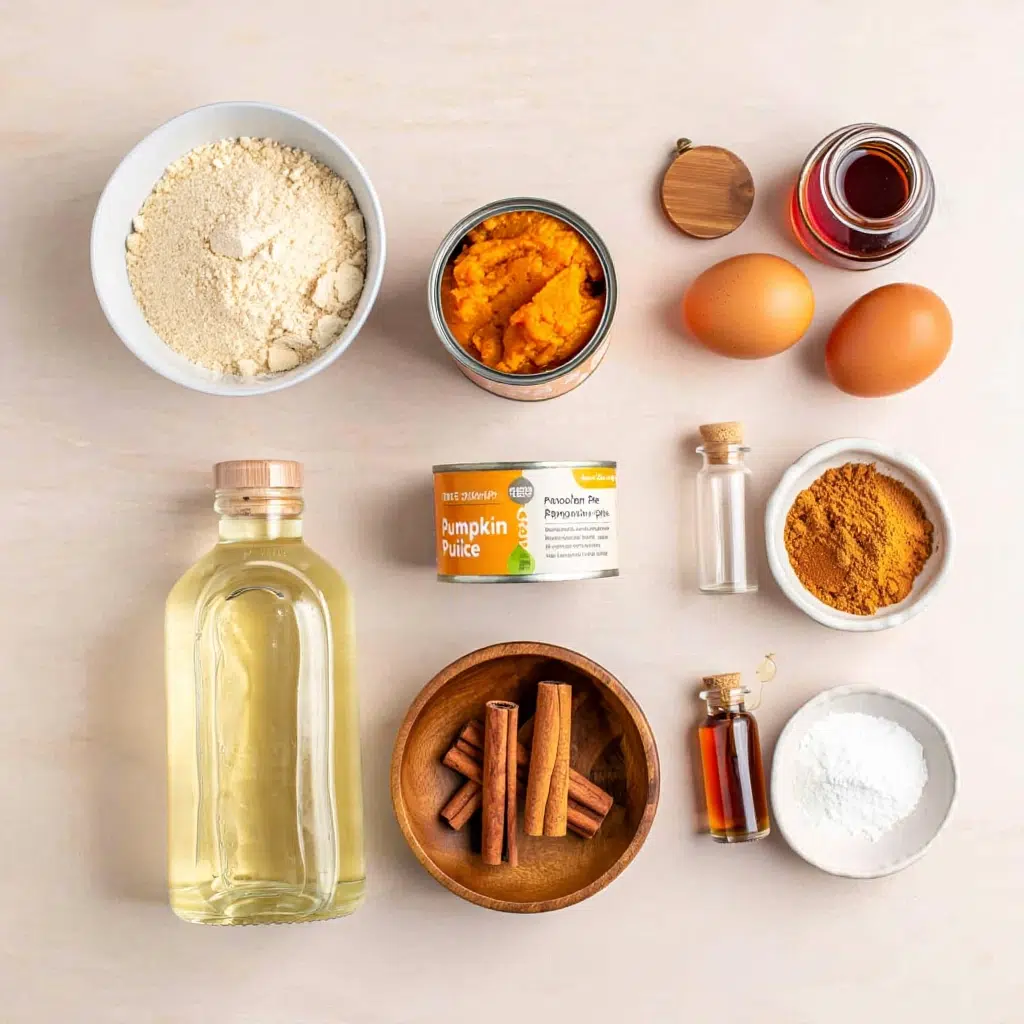
Wet Ingredients
Pumpkin Puree (1 cup / 240g)
Not pumpkin pie filling that has sugar and spices already. I use canned Libby’s because the moisture content is consistent. If you make your own pumpkin puree from fresh sugar pumpkins, it tends to be wetter. When that happens, I spread it on a clean kitchen towel and let it drain for 10 minutes before measuring.
What went wrong once: I used butternut squash puree thinking it was interchangeable. It’s sweeter and thinner, so the muffins came out flat and overly moist in the center.
Eggs (3 large)
Room temperature eggs mix better. Cold eggs can seize up the coconut oil if you’re using it. Almond flour needs the binding power of eggs since there’s no gluten. I tried flax eggs once for a vegan version complete disaster. The muffins never set properly and stayed mushy.
Maple Syrup (⅓ cup / 80ml)
Pure maple syrup, not pancake syrup (that’s corn syrup with flavoring). This amount gives you a mildly sweet muffin, not a cupcake. I tried honey once as a swap it worked but made the muffins darker and slightly denser. The flavor was earthier, less clean. If you use honey, reduce to ¼ cup because it’s sweeter.
Vanilla Extract (1 teaspoon)
Real vanilla, not imitation if you can help it. The warm vanilla plays really well with pumpkin spice. Sometimes I add a quarter teaspoon of almond extract too for depth, but it’s not necessary.
Coconut Oil or Ghee (¼ cup / 60ml, melted and slightly cooled)
Melted but not hot if it’s too hot, it can cook the eggs when you stir them in. I use refined coconut oil so there’s no coconut flavor competing with the pumpkin. Ghee works great if you’re not strict dairy-free; it adds a subtle richness.
Dry Ingredients
Almond Flour (2 cups / 200g)
This is blanched, super-fine almond flour, not almond meal. Almond meal has the skins on and creates a grainier texture. I made muffins with almond meal once they were edible but noticeably gritty. The most accurate way to measure almond flour is by weight on a kitchen scale because scooping compacts it. If you’re using cups, spoon it into the measuring cup and level it off; don’t pack it.
Coconut Sugar (2 tablespoons / 24g) Optional
I add this for a hint of caramel sweetness and to help with browning. You can skip it entirely if you want a less-sweet muffin. Don’t substitute white sugar here the molasses content in coconut sugar affects moisture.
Baking Soda (½ teaspoon)
This reacts with the acidity in the pumpkin to create lift. Don’t use baking powder instead it won’t work the same way. Make sure your baking soda is fresh (test it by adding a pinch to vinegar; it should fizz).
Pumpkin Pie Spice (2 teaspoons)
Or make your own: 1 teaspoon cinnamon, ½ teaspoon ginger, ¼ teaspoon nutmeg, ⅛ teaspoon cloves. I’ve tried both ways and honestly, the store-bought blend is just easier and tastes fine.
Sea Salt (¼ teaspoon)
Brightens all the flavors. Don’t skip it thinking “it’s sweet, who needs salt?” You do. Trust me.
Optional Add-Ins:
- ½ cup chopped walnuts or pecans (I add these only when I want texture contrast)
- ⅓ cup dark chocolate chips (makes them feel like dessert; I usually skip for breakfast batches)
Dietary Substitutions
- Nut-Free: Swap almond flour for sunflower seed flour (same amount). The muffins will turn slightly green from a chemical reaction with baking soda they’re safe to eat, just visually weird.
- Egg-Free: I haven’t successfully made these vegan. Every attempt with flax or chia eggs resulted in gummy centers.
- Lower Sugar: Omit the coconut sugar and reduce maple syrup to ¼ cup. They’ll be less sweet but still good.
Timing
- Prep Time: PT15M (15 minutes)
- Cook Time: PT22M (22 minutes)
- Total Time: PT37M (37 minutes)
Realistically, this is faster than running to a coffee shop for overpriced muffins.
Step-by-Step Instructions
1. Preheat oven to 350°F (175°C). Line a 12-cup muffin tin with parchment liners.
Why parchment, not paper? Paleo muffins stick to regular paper liners like glue because there’s no gluten structure to create a barrier. Parchment liners release cleanly. If you only have paper liners, spray them generously with coconut oil spray or you’ll lose half the muffin when you peel it.
Pro Tip: I place my muffin tin on a baking sheet. This makes it easier to move in and out of the oven, and it catches any overflow if you accidentally overfill.
2. In a large mixing bowl, whisk together the pumpkin puree, eggs, maple syrup, melted coconut oil, and vanilla until smooth.
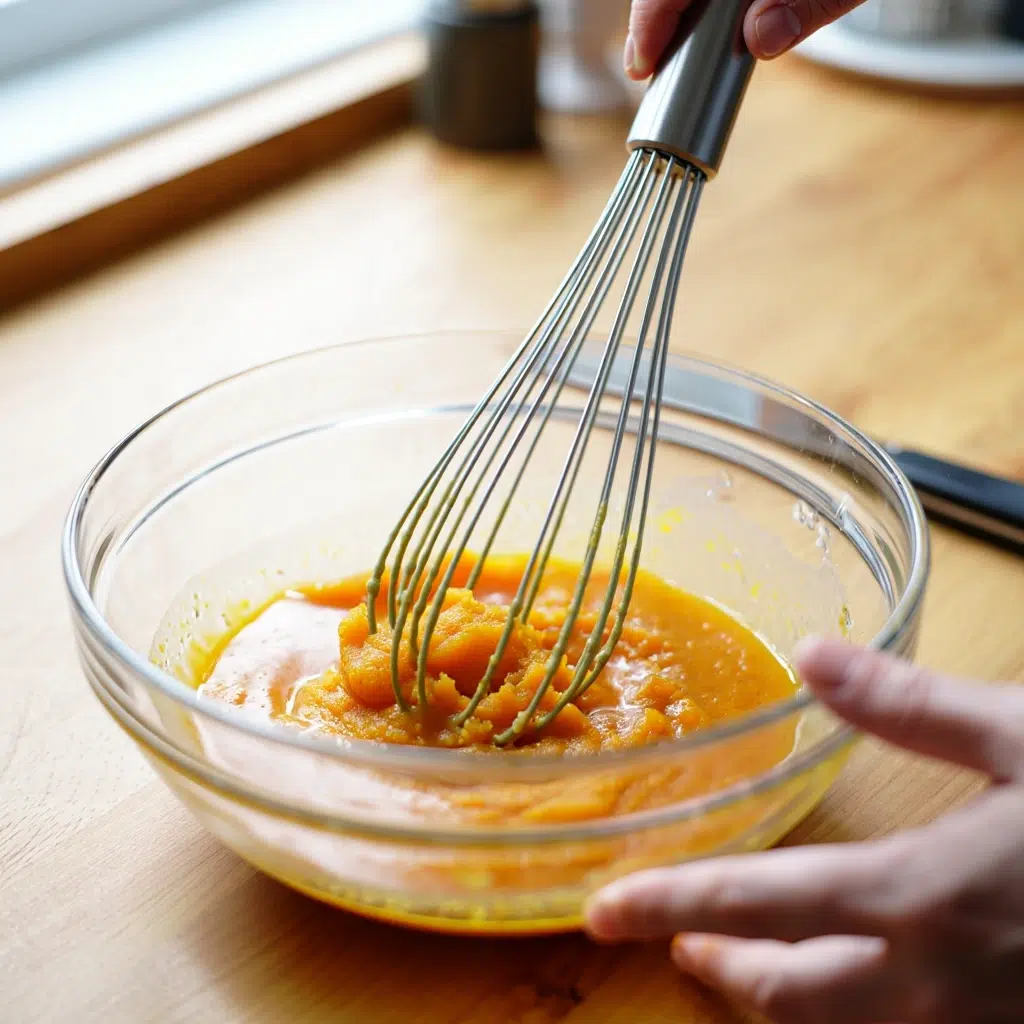
Use a whisk, not a spoon. You want the mixture completely emulsified no streaks of egg white, no oil pools. This takes about 30 seconds of actual whisking. The mixture should look like a thick, uniform orange batter.
What to look for: When you lift the whisk, the mixture should drip off in a steady stream, not in separate oil and puree layers.
Common Mistake: Adding hot melted coconut oil. If it’s too hot (over 120°F / 50°C), you’ll cook the eggs and get little scrambled bits in your batter. Let it cool until it’s warm to the touch but still liquid.
3. In a separate medium bowl, combine the almond flour, coconut sugar, baking soda, pumpkin pie spice, and salt. Break up any clumps with your fingers or a fork.
Almond flour clumps easily, especially if it’s been sitting in your pantry. I usually sift it through a fine-mesh strainer, but if you don’t have one, just press the clumps against the side of the bowl with a spoon. The baking soda can also form little rocks if it’s old make sure it’s distributed evenly.
4. Pour the dry ingredients into the wet ingredients. Fold together with a rubber spatula until JUST combined.
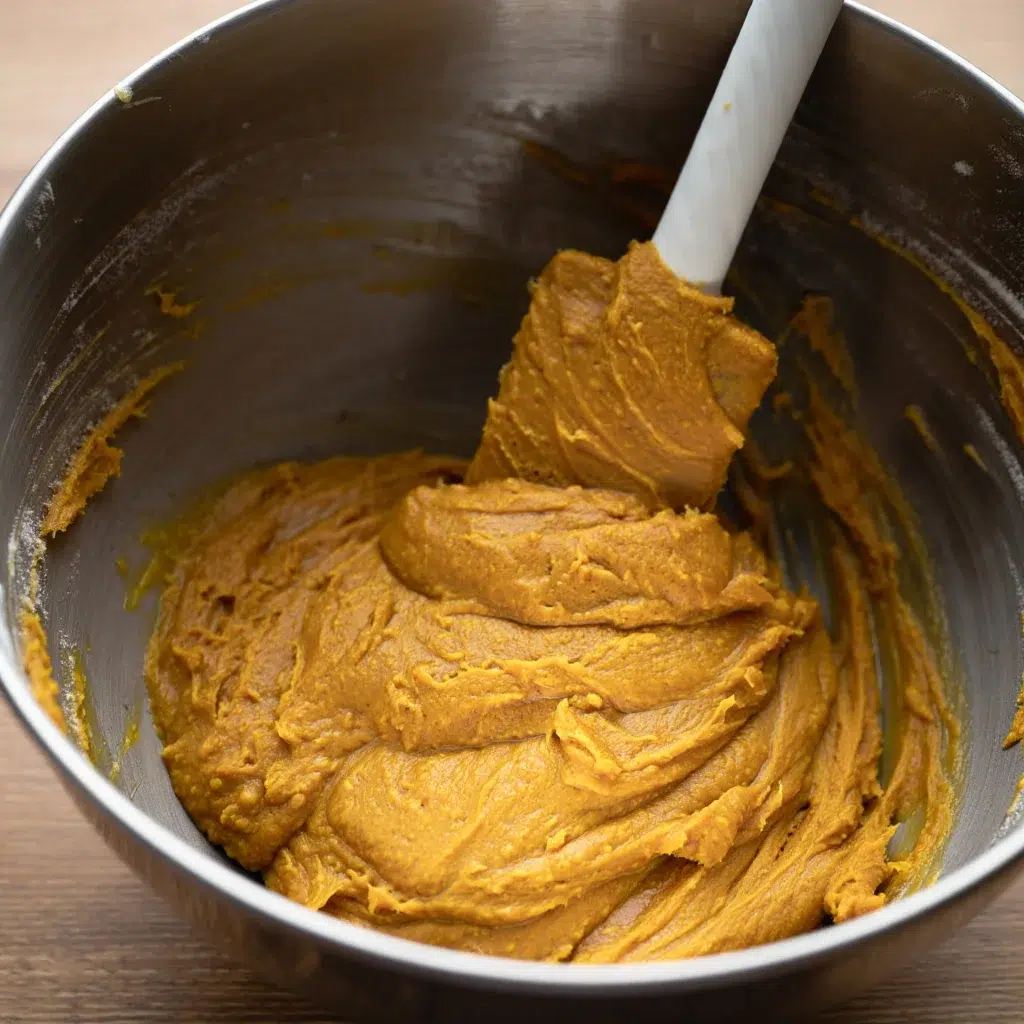
This is where I ruined batch number one. “Just combined” means you stir maybe 10-12 strokes total until you no longer see dry flour. The batter will look thick and slightly lumpy. That’s correct.
Why it matters: Almond flour has no gluten, but overmixing still breaks down the structure and releases oils, making the muffins dense and greasy. Mix only until the last streak of flour disappears.
Texture Trick: The batter should be thick enough to hold its shape when you scoop it but not so stiff that you’re fighting with the spatula. Think thick brownie batter, not cookie dough.
5. If adding walnuts or chocolate chips, gently fold them in now 3-4 folds, no more.
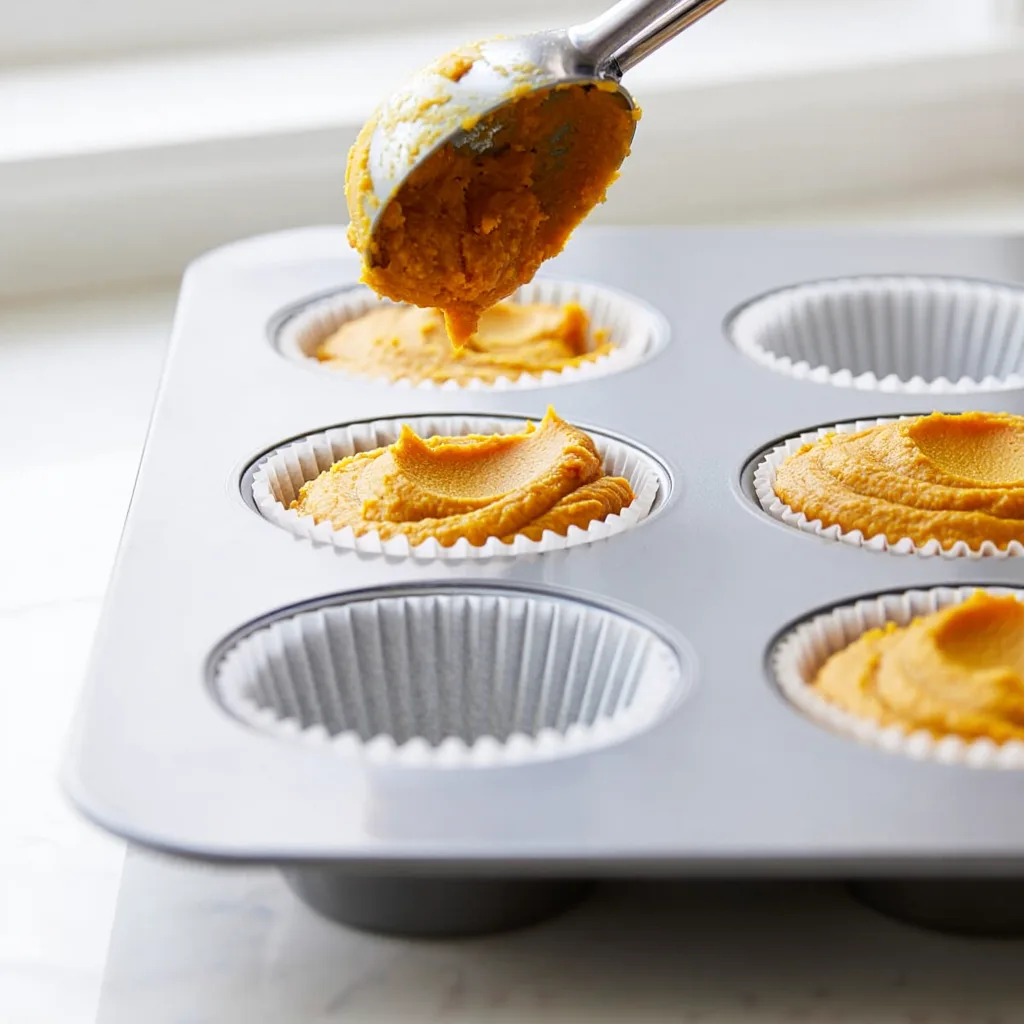
6. Divide batter evenly among the 12 muffin cups, filling each about ¾ full.
I use a ¼-cup measuring scoop to portion the batter. This gives you consistent muffins that bake evenly. Don’t fill them to the brim hoping for bakery tops almond flour muffins don’t rise like wheat muffins. They puff slightly but mostly just set. When I overfilled them in batch two, they spilled over and created a mess.
Flavor Booster: Sprinkle a tiny pinch of coarse sugar or a few extra pumpkin seeds on top before baking if you want a little crunch.
7. Bake for 20-24 minutes, until the tops spring back when lightly touched and a toothpick inserted in the center comes out clean or with just a few moist crumbs.
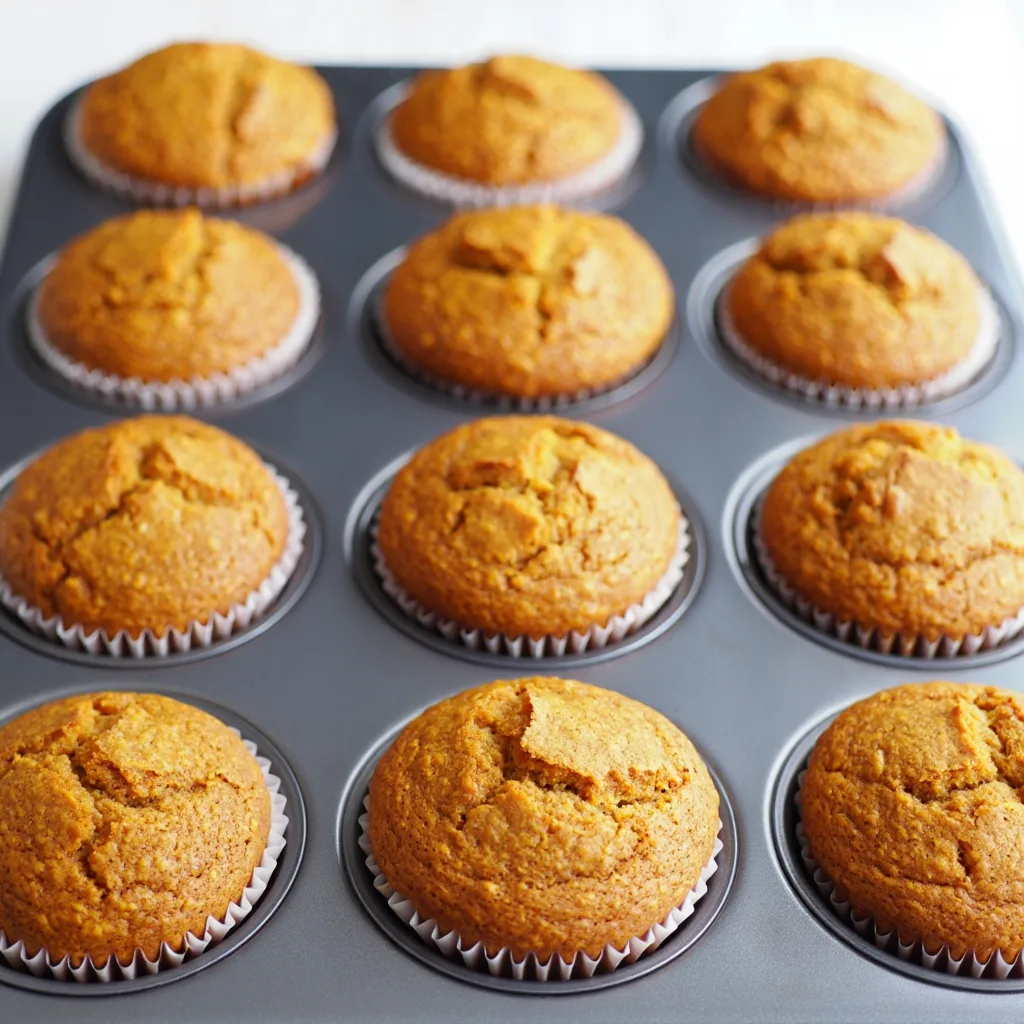
My oven runs hot, so mine are done at 21 minutes. Start checking at 20. The tops should be golden brown around the edges and slightly domed. When you gently press the center with your finger, it should bounce back, not leave a dent.
Toothpick test nuance: “Clean” doesn’t mean bone-dry wood. A few moist crumbs are fine. If you see wet, glossy batter, they need more time. If the toothpick comes out completely clean and the muffins are dark brown on top, you’ve overbaked them they’ll be dry.
Visual cue at minute 18: Crack the oven door and peek. The muffins should be starting to dome and the edges should be pulling away from the liners very slightly.
8. Remove from oven and let cool in the pan for 10 minutes. Then transfer to a wire rack.
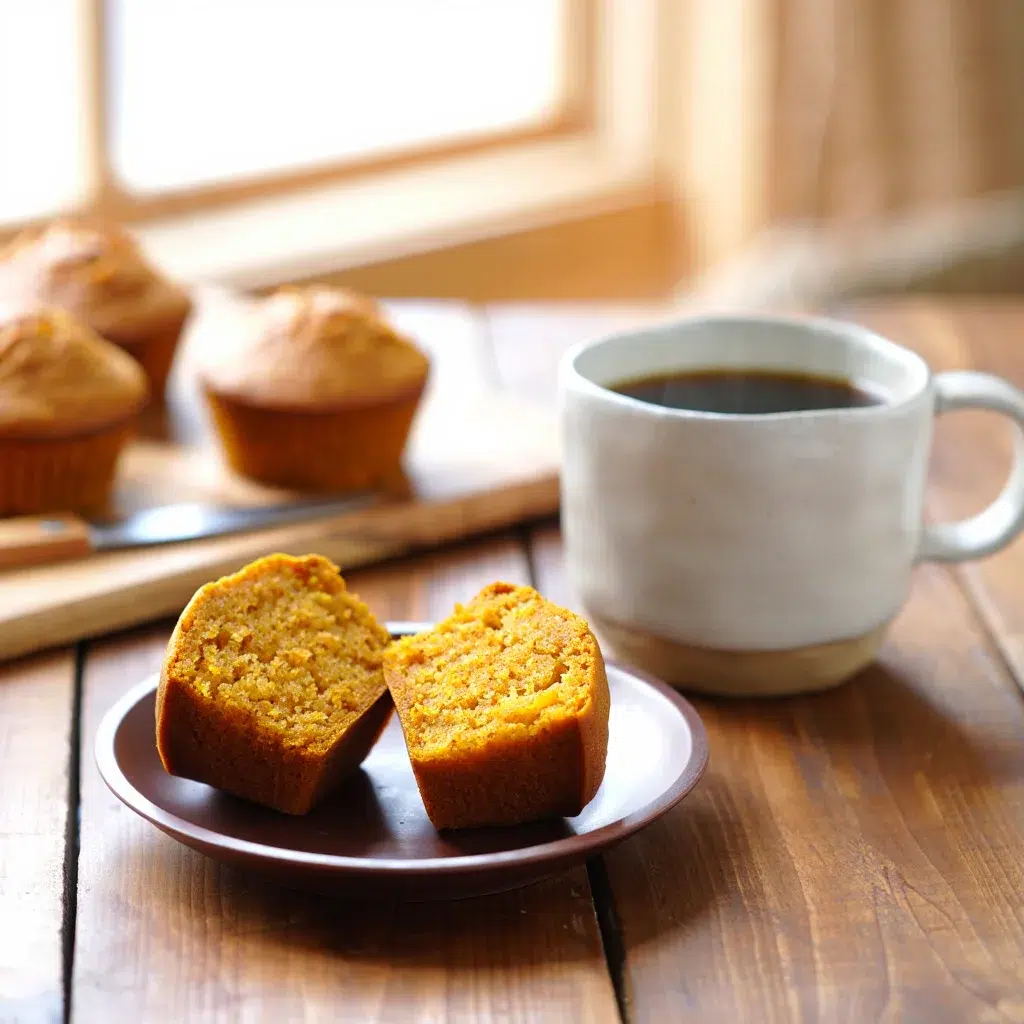
Don’t skip the 10-minute rest. The muffins are fragile when they first come out. If you try to remove them immediately, they’ll fall apart. After 10 minutes, they’ve set enough to handle.
Common Mistakes I Made & How I Fixed Them
Mistake 1: Overmixing the Batter
What went wrong: I stirred the batter for two full minutes, thinking I needed to get it perfectly smooth. The muffins came out dense, almost gummy, with an oily sheen on top.
Why it happened: Almond flour releases oils when overworked. Even though there’s no gluten to overdevelop, excessive mixing breaks down the structure and you end up with greasy, compact muffins.
The fix: Mix ONLY until you don’t see dry flour. 10-12 gentle folds. The batter should still look slightly lumpy. It’s counterintuitive if you’re used to wheat flour baking, but it works.
Mistake 2: Using Paper Liners Without Greasing
What went wrong: Half the muffin stuck to the liner when I tried to peel it off. Totally wasteful and annoying.
Why it happened: Almond flour is naturally oily and sticky. Without gluten to create a barrier, the muffins adhere directly to paper.
The fix: Use parchment liners (they’re slightly more expensive but worth it) OR spray regular paper liners heavily with coconut oil spray before adding batter. Some people skip liners entirely and grease the pan well that works too.
Mistake 3: Measuring Almond Flour by Scooping
What went wrong: My first batch was drier and crumblier than expected because I had too much flour.
Why it happened: When you scoop almond flour with a measuring cup, you pack it down and can end up with 20-30% more flour than the recipe intended. Almond flour is fluffy and compacts easily.
The fix: Either weigh it on a kitchen scale (200g for 2 cups) or spoon it into the measuring cup and level it off with a knife. Don’t scoop directly from the bag.
Mistake 4: Overfilling the Muffin Cups
What went wrong: I filled them to the top wanting tall bakery-style muffins. They overflowed during baking, stuck to the pan between cups, and were impossible to remove cleanly.
Why it happened: I was thinking like wheat-flour logic where batter rises significantly. Almond flour muffins puff only slightly. Overfilling just means overflow.
The fix: Fill ¾ full. That’s it. You’ll get a gentle dome, and they’ll bake evenly without making a mess.
Mistake 5: Not Letting Them Cool Before Removing
What went wrong: I tried to take them out of the pan after 2 minutes because I was impatient. They fell apart in my hands.
Why it happened: Grain-free muffins need time to set. The structure is more delicate than wheat muffins.
The fix: Wait the full 10 minutes. Put a timer on if you have to. Use that time to clean up your mixing bowls.
Variations I Actually Tried
Chocolate Chip Version
Added ⅓ cup dark chocolate chips. They melted slightly and created pockets of gooey chocolate. My kids loved this version. The chocolate masks some of the pumpkin flavor, so if you’re not a huge pumpkin fan, this might be your preference. Texture stayed the same.
When I’d use it: Dessert, after-school snack, or when I’m trying to convince non-paleo eaters that healthy muffins can taste good.
Walnut Version
Added ½ cup chopped walnuts. This gave a nice crunch and made the muffins feel more substantial. The walnut flavor is subtle and doesn’t overpower the pumpkin spice. Texture was slightly denser but in a good way more satisfying.
When I’d use it: Breakfast when I want something that’ll keep me full longer.
Honey Instead of Maple Syrup
Swapped maple syrup for ¼ cup honey (honey is sweeter, so I reduced the amount). The muffins were slightly denser and had a deeper, almost caramel-like color. Flavor was earthier. Not better or worse, just different.
What didn’t work: Using ⅓ cup honey. They were too sweet and a bit gummy in the center.
Coconut Flour Addition
I tried adding 2 tablespoons of coconut flour thinking it would make them lighter. Mistake. Coconut flour is incredibly absorbent. The muffins turned dry and crumbly.
What I learned: Coconut flour can’t just be added without adjusting liquids. Stick to the recipe as written unless you want to experiment extensively.
Pumpkin Seeds on Top
Sprinkled raw pumpkin seeds (pepitas) on top before baking. They toasted slightly in the oven and added a nice crunch and visual appeal. This worked great and I do it often now.
Nutritional Information
Per muffin (1 of 12, without add-ins)
| Nutrient | Amount |
|---|---|
| Calories | 156 |
| Total Fat | 11g |
| Saturated Fat | 3g |
| Carbohydrates | 12g |
| Fiber | 2g |
| Sugar | 7g |
| Protein | 4g |
| Vitamin A | 78% DV |
| Iron | 6% DV |
Note: Values are approximate based on standard ingredient data. Actual nutrition will vary based on specific brands used. According to USDA nutritional data, pumpkin puree is particularly high in vitamin A (beta-carotene), which supports eye health and immune function.
Healthier Alternatives
Reduce Sugar Further: Cut maple syrup to ¼ cup (saves ~25 calories and 4g sugar per muffin). Taste will be less sweet but still pleasant. The pumpkin spice carries a lot of flavor on its own.
Tradeoff: These won’t taste like a treat anymore they’ll taste more like a savory-sweet breakfast item.
Use Avocado Oil Instead of Coconut Oil: Same calories but different fat profile (more monounsaturated). No flavor impact if you use refined avocado oil.
Add Flaxseed Meal: Replace 2 tablespoons almond flour with ground flaxseed for extra omega-3s and fiber. Texture becomes very slightly denser but not unpleasant.
Honest assessment: These changes make the muffins “healthier” on paper but they won’t taste quite as good. The recipe as written is already pretty balanced for a grain-free treat.
Serving Suggestions
Breakfast: Pair with black coffee or a matcha latte. The spices work really well with bitter drinks. Sometimes I split one open and spread almond butter inside.
Snack: Serve at room temperature or slightly warmed (10 seconds in the microwave). I like them with a handful of raw almonds on the side for extra protein.
Brunch Plating: Slice in half horizontally, toast cut-side-down in a dry skillet for 1 minute until lightly crispy, serve with coconut yogurt and a drizzle of maple syrup.
Beverage Pairings:
- Chai tea (the spices echo each other)
- Bone broth (weird but I’ve done it the savory-sweet contrast works for a filling breakfast)
- Almond milk (classic)
Seasonal Touch: In fall, I dust the tops with a tiny bit of cinnamon before serving. Around Thanksgiving, I serve them on a platter with other paleo breakfast items like sweet potato hash and bacon.
Storage, Reheating & Real-Life Use
Room Temperature: Good for 1 day if your kitchen is cool and dry. After 24 hours, the texture starts to get slightly spongy and they can develop an “off” taste, especially in warm weather. I don’t recommend this for more than a day.
Refrigerator: Store in an airtight container for up to 5 days. This is my go-to method. The cold temperature firms them up slightly they’re denser but still moist. I eat them straight from the fridge or let them sit out for 10 minutes to take the chill off.
Honest truth: By day 4-5, they’re noticeably less fresh. Still safe and edible, but the pumpkin flavor fades a bit and they can taste slightly oily.
Freezer: Best option for longer storage. Let muffins cool completely, wrap each one individually in plastic wrap, then place in a freezer bag. They’ll keep for up to 3 months without freezer burn.
Reheating from frozen: Unwrap and microwave for 30-40 seconds. Or let thaw on the counter for an hour. I’ve tried reheating in a toaster oven (300°F for 5-7 minutes) and that works too, but you need to thaw first or the outside gets dry while the inside stays cold.
Quality After Freezing: Texture holds up remarkably well. Honestly, I can’t tell the difference between a fresh muffin and one that’s been frozen and thawed. The pumpkin and almond flour both freeze well.
Real-Life Reality: I make a double batch every two weeks, freeze half, and keep the other half in the fridge. On weekday mornings, I grab one from the freezer the night before and let it thaw in the fridge overnight. Breakfast is ready when I wake up.
Expert Tips & Tricks
Use a Kitchen Scale: Measuring almond flour by weight (200g for 2 cups) ensures consistent results. Almond flour is notoriously inconsistent when measured by volume.
Room Temperature Ingredients: Let eggs and pumpkin puree sit out for 30 minutes before mixing. Cold ingredients don’t emulsify as well and can make the batter lumpy.
Don’t Open the Oven Early: Every time you open the oven door, the temperature drops by 25-50°F. Wait until at least minute 18 to check on them.
The “Tap Test”: Before using a toothpick, try tapping the top of a muffin gently with your finger. If it springs back immediately, it’s done. If it leaves a dent, it needs more time.
Why Parchment Liners Are Worth It: They cost about 50% more than paper, but you’ll save money by not losing half your muffin to the liner. Plus, presentation is way better when they peel cleanly.
The Science of Baking Soda: It reacts with acidic ingredients (like pumpkin) to produce carbon dioxide, which creates lift. That’s why you can’t substitute baking powder here baking powder already has acid built in and won’t react the same way with the pumpkin.
Altitude Adjustment: If you’re above 3,000 feet, reduce baking soda to ¼ teaspoon and increase oven temperature to 360°F. Grain-free batters can spread too much at high altitude if the leavening is too aggressive.
Best Tool: A #16 cookie scoop (¼ cup / 4 tablespoons) makes portioning the batter perfectly consistent. I use an OXO brand one.
Who This Recipe Is / Is Not For
This recipe IS for:
- People who want a genuinely paleo/grain-free muffin that doesn’t require 10 specialty flours
- Anyone with celiac disease or gluten sensitivity who misses having a quick grab-and-go breakfast
- Parents packing school lunches who need a nut-based option (check school policies first)
- Meal preppers who batch-cook on Sundays and want something that freezes well
- Bakers comfortable with the fact that almond flour behaves differently than wheat flour
This recipe IS NOT for:
- People with tree nut allergies (almond flour is a hard requirement here)
- Anyone expecting a traditional muffin texture these are denser and more tender, not fluffy
- Vegans (the eggs are essential for structure; I couldn’t make a successful egg-free version)
- Someone looking for a 5-minute recipe this takes 35-40 minutes start to finish
- Kids’ classrooms with strict nut-free policies
- Anyone who dislikes pumpkin or warm spices (seems obvious, but worth stating)
Skill Level: Beginner-friendly. If you can crack an egg and fold batter gently, you can make these. The only tricky part is not overmixing.
Equipment Needed: 12-cup muffin tin, mixing bowls, whisk, rubber spatula, parchment muffin liners (or well-greased pan). A kitchen scale is helpful but not required.
Case Study: When I Made These for Non-Paleo Friends
Last November, I brought a batch of these to a potluck Thanksgiving brunch where maybe two out of fifteen people ate paleo. I didn’t announce they were grain-free or use any “healthy” descriptors I just called them pumpkin muffins. They disappeared in twenty minutes.
Three people asked for the recipe. One guy said, “These are way better than the usual dry paleo stuff my wife makes.” (His wife gave him a look, but she also grabbed the recipe.)
The interesting part? Two people assumed they were just regular muffins and were shocked when I mentioned almond flour. One said, “Wait, there’s no wheat? I literally can’t tell.” That felt like a win.
The lesson: When these are made correctly (not overmixed, proper moisture, good spice balance), they don’t taste like “health food.” They taste like a good muffin that happens to fit paleo guidelines.
Final Thoughts
I’ll keep making these every couple of weeks through fall and winter. Next time, I might try adding a tablespoon of molasses for deeper flavor, or maybe fold in some finely diced crystallized ginger for a spicy kick. I’m still tweaking the sweetness I’d love to find a way to drop the maple syrup to ¼ cup without them tasting flat.
If you try these this weekend, let me know how they turn out. And if you make one of the mistakes I did (overmixing, overfilling, paper liner disaster), don’t worry you’re in good company. The third batch is usually the charm.
FAQs
Can I make these without a muffin tin?
Yes, you can bake this as a loaf instead. Pour the batter into a greased 9×5-inch loaf pan and bake at 350°F for 40-45 minutes, until a toothpick inserted in the center comes out clean. The texture will be slightly denser than muffins, and you’ll need to slice it to serve. I’ve done this when I didn’t feel like portioning batter into 12 cups.
Why did my muffins turn out dense and gummy?
Almost always overmixing. Almond flour releases oils when worked too much, creating a dense, greasy texture. Mix only until the last streak of dry flour disappears about 10-12 folds total. The batter should still look slightly lumpy. Also check that you didn’t add too much almond flour (weigh it if possible, or spoon and level rather than scooping).
Can I substitute another flour for almond flour?
Not easily. Almond flour behaves completely differently than wheat flour, coconut flour, or even other nut flours. If you’re nut-free, sunflower seed flour is your best bet (same measurements), but be aware the muffins may turn slightly greenish due to a chemical reaction with baking soda they’re safe to eat, just odd-looking. I haven’t successfully made these with coconut flour; it’s too absorbent and would require a totally different recipe.
Do I have to use pumpkin puree, or can I use fresh pumpkin?
You can use fresh pumpkin puree, but it tends to have more moisture than canned. If you’re making your own, spread the puree on a clean kitchen towel and let it drain for 10-15 minutes to remove excess water before measuring. I usually just use canned Libby’s because the moisture content is consistent and reliable.
How do I know when they’re actually done baking?
The toothpick test is your friend, but here’s what to look for: tops should spring back when gently pressed (not leave a dent), edges should be golden brown and pulling slightly away from the liners, and a toothpick inserted in the center should come out clean or with just a few moist crumbs (not wet batter). If the toothpick is bone-dry and the tops are dark brown, you’ve overbaked them. Start checking at 20 minutes.
Why do my muffins stick to the liners?
Almond flour is sticky because it’s high in natural oils and there’s no gluten structure. Regular paper liners will grab onto paleo muffins. Use parchment liners (they peel cleanly every time) OR spray regular paper liners generously with coconut oil before adding batter. Some people skip liners entirely and just grease the muffin tin well that works too.
Can I make these ahead and freeze them?
Absolutely. These freeze beautifully for up to 3 months. Let them cool completely, wrap each muffin individually in plastic wrap, and store in a freezer-safe bag or container. To reheat, microwave for 30-40 seconds from frozen, or let thaw on the counter for about an hour. I make double batches specifically to freeze half.
What’s the difference between almond flour and almond meal?
Almond flour is made from blanched almonds (skins removed) and is ground very finely it’s smooth and light. Almond meal includes the almond skins and is coarser. You can use almond meal in this recipe, but the texture will be grainier and slightly denser. For the best results, use super-fine blanched almond flour.
Recipe Card Summary
Prep Time: 15 minutes
Cook Time: 22 minutes
Total Time: 37 minutes
Yield: 12 muffins
Calories: 156 per muffin (approximate)
Ingredients
- 1 cup (240g) pumpkin puree (not pumpkin pie filling)
- 3 large eggs, room temperature
- ⅓ cup (80ml) pure maple syrup
- ¼ cup (60ml) melted coconut oil or ghee, slightly cooled
- 1 teaspoon vanilla extract
- 2 cups (200g) blanched almond flour
- 2 tablespoons (24g) coconut sugar (optional)
- ½ teaspoon baking soda
- 2 teaspoons pumpkin pie spice
- ¼ teaspoon sea salt
- Optional: ½ cup chopped walnuts or ⅓ cup chocolate chips
Instructions
- Preheat oven to 350°F (175°C). Line a 12-cup muffin tin with parchment liners.
- Whisk together pumpkin, eggs, maple syrup, coconut oil, and vanilla until smooth.
- In a separate bowl, combine almond flour, coconut sugar, baking soda, pumpkin spice, and salt.
- Pour dry ingredients into wet. Fold gently until just combined (10-12 folds). Don’t overmix.
- Add walnuts or chocolate chips if using; fold 3-4 times.
- Divide batter evenly among muffin cups (about ¾ full each).
- Bake 20-24 minutes until tops spring back when touched and toothpick comes out clean.
- Cool in pan 10 minutes, then transfer to wire rack.