
Table of Contents
Why Cabbage Soup Recipe?
✔ Hearty and comforting
Cabbage soup is warm, filling, and soothing exactly what people look for in an evening meal.
✔ Light but satisfying
It fills you up without feeling heavy, making it ideal for dinner, especially for health-focused readers.
Introduction
The first time I made this cabbage soup recipe, I was trying to “use things up” and accidentally created a pot of… cabbage-flavored water. I’d chopped the cabbage too thick, rushed the sauté, and forgot any kind of acid at the end. The smell was fine, but the taste was flat in that disappointing, cafeteria way.
Now I make it differently. I take an extra five minutes to build the base, I watch for a couple of very specific cues, and I finish the pot with something bright so it tastes alive not boiled. If you’ve got a cabbage rolling around in your fridge, this is a forgiving way to turn it into dinner.
Why This Recipe Works
- You want a one-pot meal that doesn’t wreck your kitchen.
- You’ve got cabbage + a few basic vegetables and need a plan.
- You like soups that reheat well for lunch.
- You want a broth that tastes savory and balanced, not watery or harsh.
- You need a recipe that can go vegan or gluten-free without gymnastics.
Ingredients (With Real Context)
The “flavor base” (don’t skip this)
- Olive oil: helps the onions and garlic bloom instead of steaming. If you use butter, it’s richer but can brown fast.
- Onion + carrot + celery: classic soup starter. When I undercook these, the soup tastes sharp. When I cook them until they smell sweet, everything improves.
- Garlic: I used to dump it in immediately and it got bitter. Now it goes in after the onion has softened.
The “main event”
- Green cabbage: holds texture better than more delicate cabbages. Thin slices soften evenly. Thick chunks can stay squeaky.
Substitution I actually like: Napa cabbage works, but it turns silky fast great if you like softer soups. (It won’t stay chunky.) - Diced tomatoes (canned): adds body and a gentle sweetness. Fire-roasted tomatoes are a nice upgrade if you want a deeper vibe.
- Broth (vegetable or chicken): broth choice matters more than people admit. If your broth is weak, your soup will be weak. I’ve learned to taste the broth before it goes in.
Seasoning + finishing (where it becomes “real food”)
- Dried thyme or oregano: keeps it cozy.
- Bay leaf (optional): subtle, but it rounds things out.
- Black pepper: go heavier than you think, but add it gradually.
- Acid at the end (lemon juice or vinegar): this is the difference between “meh” and “I want another bowl.” Love & Lemons uses vinegar for tang in their version, and it really works in cabbage soup Source.
Dietary substitution notes
- Gluten-free: this soup is naturally gluten-free if your broth is GF (double-check labels).
- Vegan: use vegetable broth; add beans for extra heft. Love & Lemons uses white beans for plant-based protein Source.
- Lower-sugar: choose no-sugar-added tomatoes if preferred (still read labels); skip carrots if you need to reduce natural sweetness (the soup will taste less rounded).
Timing
- Prep Time: PT15M
- Cook Time: PT35M
- Total Time: PT50M
One-line comparison: About the same time as making boxed mac, but you only wash one pot.
Step-by-Step Instructions (Decision-Based)
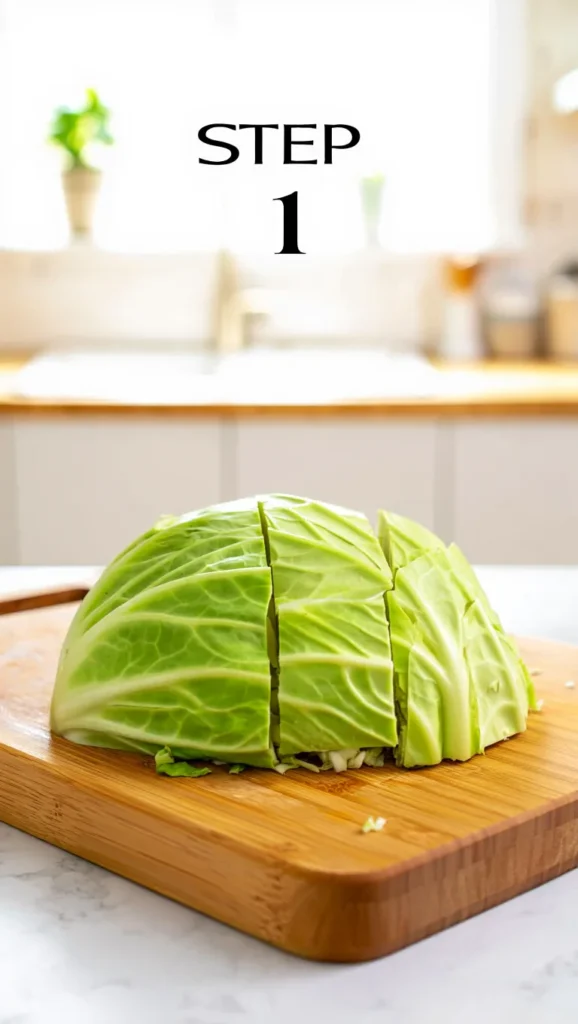
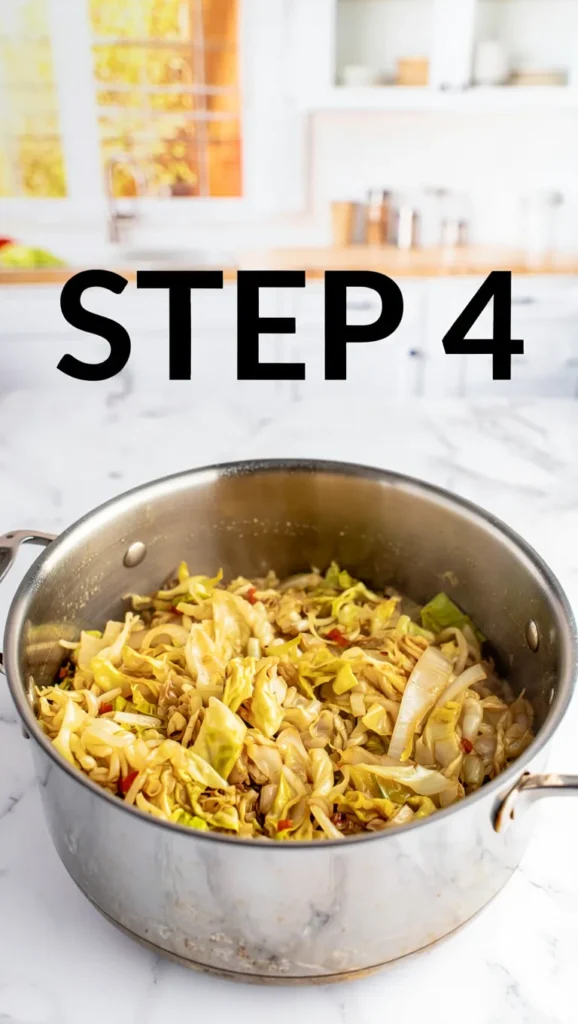
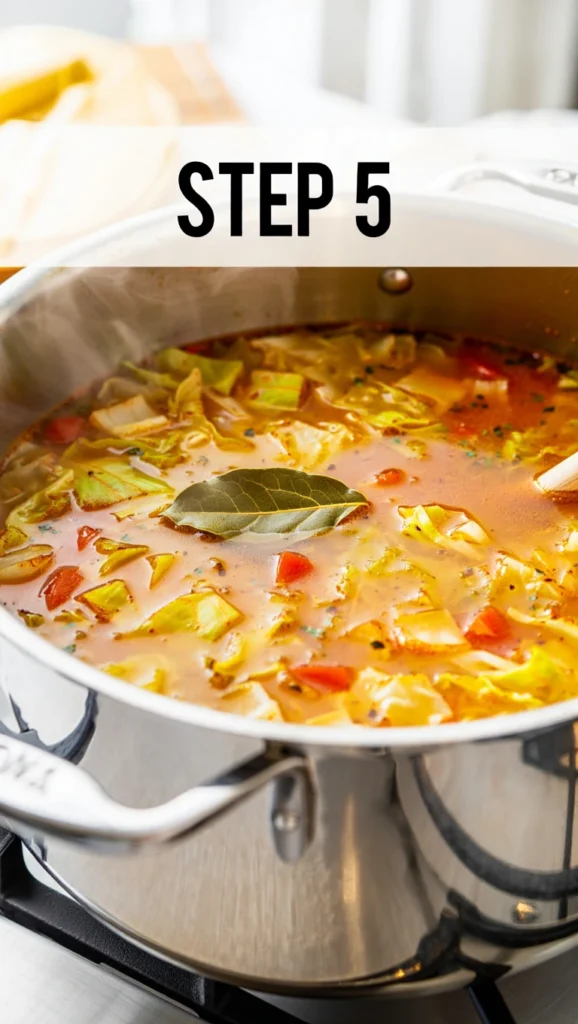
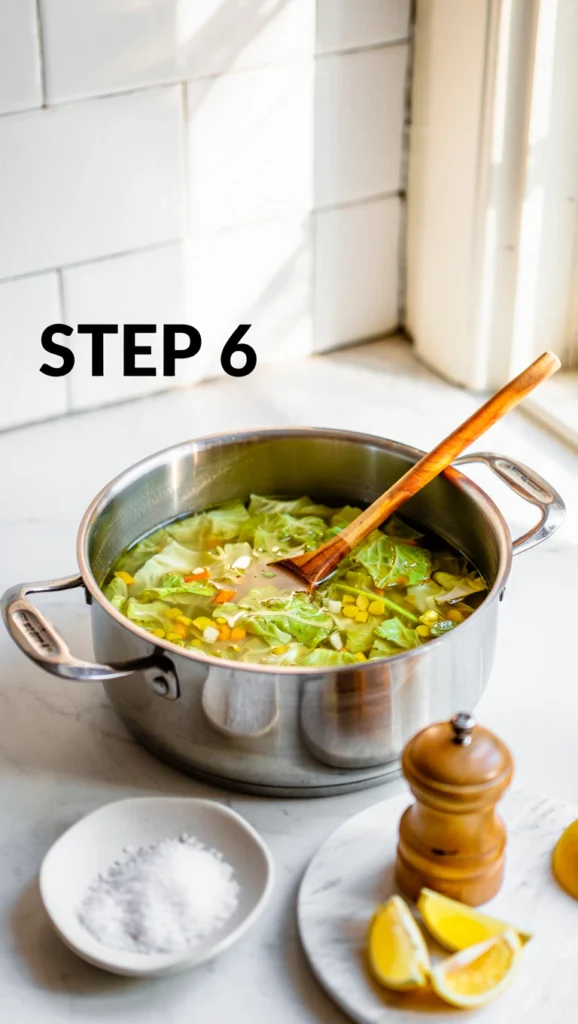
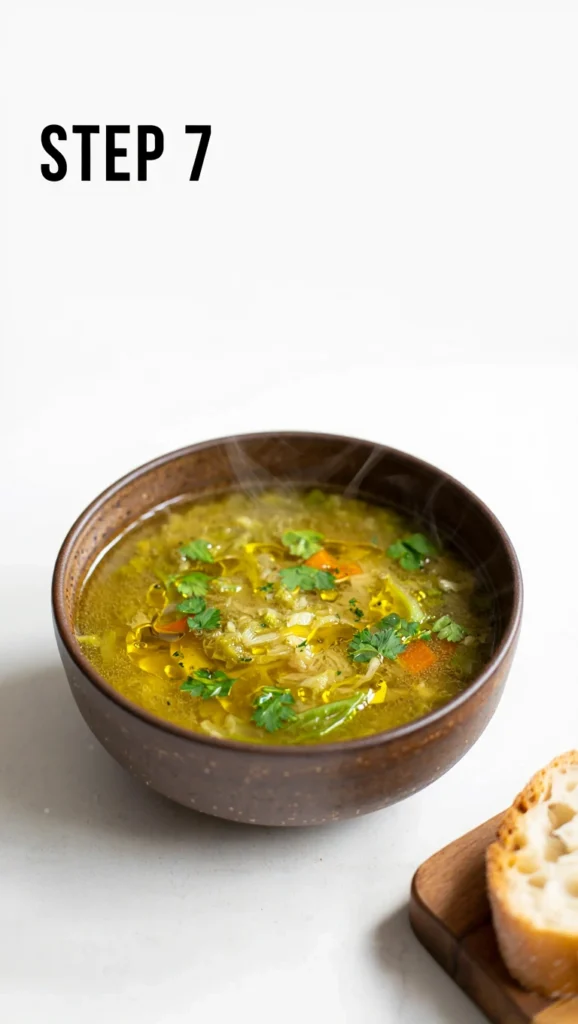
- Slice the cabbage thin (about 1/4-inch).
Why it matters: thin slices soften evenly without turning to mush.
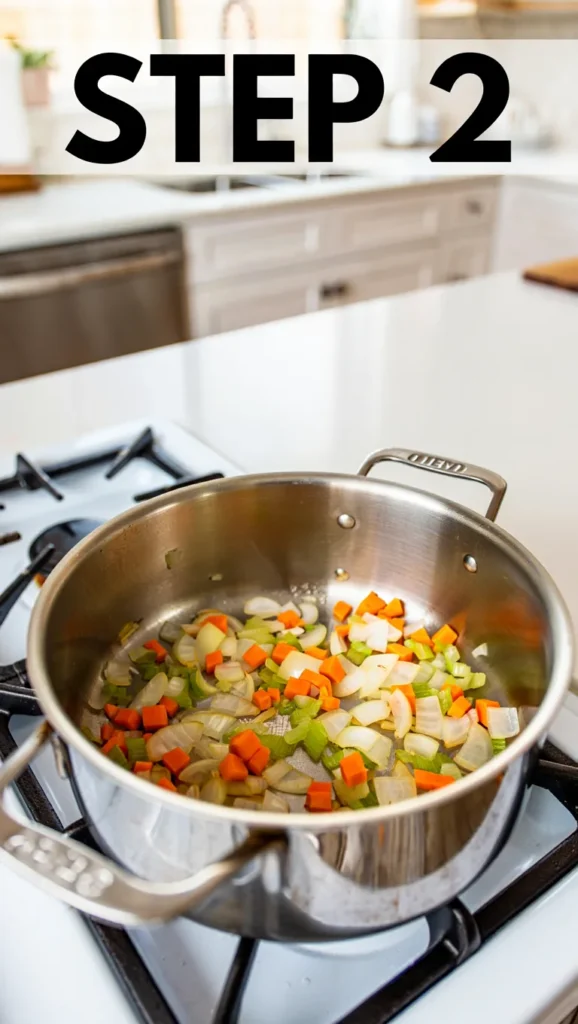
Look for: strands that bend easily when you pinch one no stiff “ribby” chunks. - Warm oil in a big pot over medium heat, then add onion, carrot, celery + a pinch of salt. Cook 8 minutes.
Why it matters: this is where sweetness develops; salt helps draw moisture out so veg softens.
Look for: onion turning translucent and smelling a little sweet, not raw.
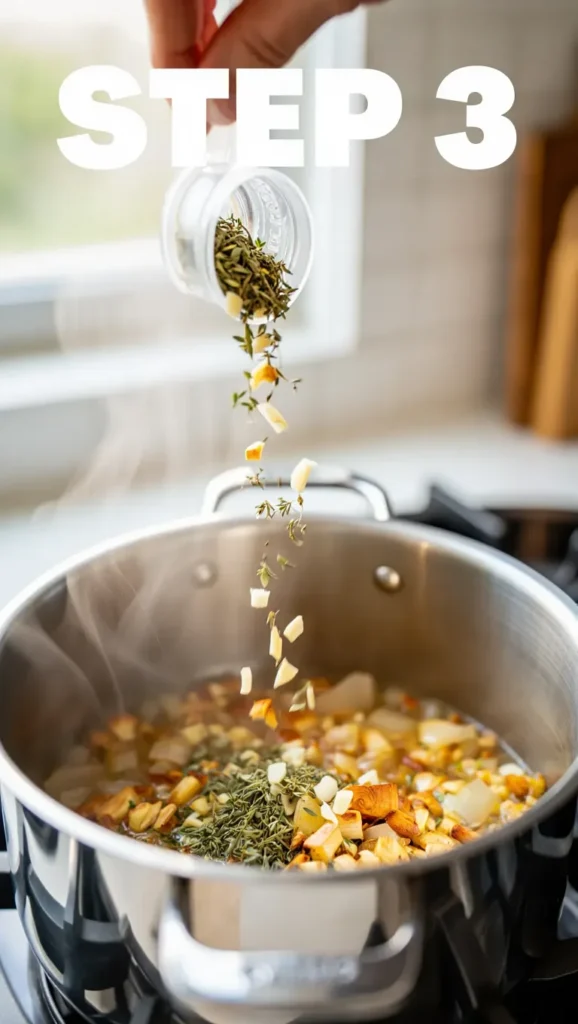
Pro tip: if things start browning hard, your heat’s too high. Drop it to medium-low. - Add garlic + dried herbs. Stir 30–60 seconds.
Why it matters: you want fragrant garlic, not browned garlic.
Look for: the moment your kitchen smells like “dinner’s happening.” - Add cabbage and stir for 3–5 minutes to “sweat” it down.
Why it matters: cabbage shrinks a lot; sweating helps it soften before the broth dilutes everything.
Look for: the pile collapsing and getting glossy.
Texture trick: keep stirring so the bottom doesn’t scorch. - Add tomatoes + broth. Bring to a simmer, then cover and cook 20–25 minutes.
Why it matters: gentle simmer tenderizes cabbage and blends flavors.
Look for: small bubbles, not a rolling boil (boiling can make cabbage smell more aggressive).
Flavor booster: add a bay leaf here if you use it. - Taste and adjust salt, pepper, and acid (lemon/vinegar) at the end.
Why it matters: acid wakes up the broth; seasoning early is guesswork because broth reduces and cabbage releases water.
Look for: the soup tasting “rounded” instead of flat.
Pro tip: add acid in small splashes. You can always add more. - Rest 5 minutes before serving.
Why it matters: flavors settle and the cabbage softens that final little bit.
Look for: broth tasting more cohesive after it sits.
Common Mistakes I Made & How I Fixed Them
- I boiled it hard because I was impatient.
What went wrong: the cabbage smell got louder and the broth tasted kind of harsh.
Why it happened: aggressive boiling pushes volatile compounds into the air and can make the pot smell “cabbagey.”
Fix: I keep it at a lazy simmer and just give it time. The flavor stays calmer. - I chopped the cabbage too thick.
What went wrong: some pieces were soft, others stayed squeaky and stiff, like they never joined the party.
Why it happened: thick ribs take longer than the leaves.
Fix: I slice thinner and, if I hit a thick rib, I chop that part smaller. - I forgot the acid finish.
What went wrong: it tasted like vegetables in warm broth fine, but not something I’d crave.
Why it happened: cabbage + broth needs brightness to balance sweetness.
Fix: lemon juice or vinegar at the end. Love & Lemons leans on vinegar for that balance, and I get why Source.
Variations I Actually Tried
- Bean-boosted version (white beans).
What worked: makes it lunch-worthy; broth feels more filling.
What didn’t: if you don’t rinse canned beans, the soup can taste muddy.
When I use it: when this is the whole meal. - Fire-roasted tomatoes instead of regular diced tomatoes.
What worked: deeper flavor with almost no effort.
What didn’t: if your broth is already smoky (some boxed broths are), it can get a little heavy.
When I use it: cold weather, or when I’m skipping bread. - Potato add-in (diced Yukon Gold).
What worked: adds body and a cozy texture (Love & Lemons uses potatoes too) Source.
What didn’t: overcooked potatoes can cloud the broth and make it feel starchy.
When I use it: when I want a “bigger” soup without meat.
Nutritional Information
I’m not publishing exact nutrition numbers here because they swing wildly with broth brand, oil amount, and add-ins (beans/potatoes). If you want a database to check basics for raw cabbage, USDA FoodData Central is a good starting point. Source
Healthier Alternatives
- Use more broth, less oil: you’ll lose a bit of richness, but it still tastes good if you finish with lemon.
- Add extra vegetables (zucchini, green beans, spinach): boosts volume; just know tender greens go in at the end or they turn dull.
- Swap potatoes for cauliflower florets: lighter texture; not as filling, and the soup tastes less “stew-ish.”
Serving Suggestions
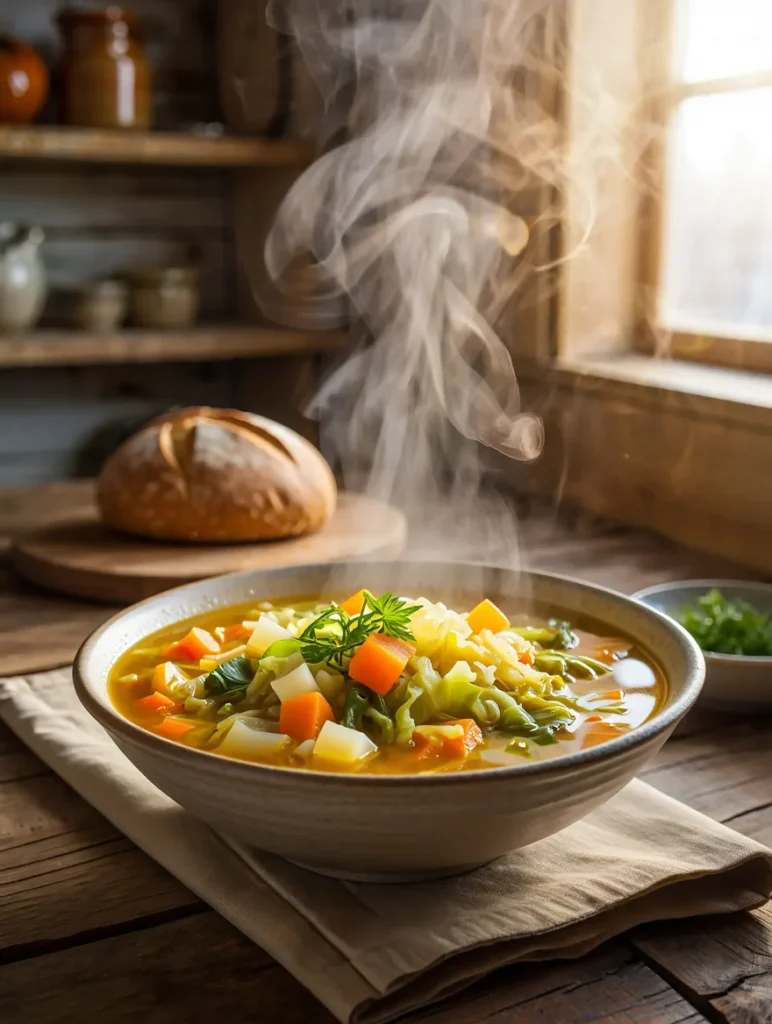
- Big bowl + crusty bread (or toast) for dunking.
- Add a spoon of yogurt or sour cream if you eat dairy nice contrast with the tomatoes.
- Top with chopped parsley for a fresh, green snap.
- Pair with something crunchy like a kale salad on the side (see: kale salad).
Storage, Reheating & Real-Life Use
This soup actually improves overnight, but the cabbage keeps softening.
- Fridge: 3–4 days in an airtight container.
- Freezer: yes, but expect softer cabbage after thawing.
- Reheat: stovetop on medium-low is best; microwave works, but stir halfway so the center heats evenly.
- Real talk: day 3 cabbage is much softer. Still tasty, just less “bite.”
For food safety specifics, I stick to USDA leftovers and food safety guidance. Source
Expert Tips & Tricks
- Medium-low heat is underrated. It gives you sweetness from onions without scorchiness.
- Taste broth before you commit. If it’s bland in the carton, it won’t magically get bold in the pot.
- Acid is a tool, not a vibe. A small splash can fix “flat,” but too much makes it taste like salad dressing go slow.
Who This Recipe Is / Is Not For
This recipe is for you if:
- You can spare about an hour and want low-effort comfort food.
- You like soups that are brothy, not creamy.
- You want a flexible pot you can adjust with beans, potatoes, or leftover meat.
This isn’t a great fit if:
- You need a 30-minute dinner (unless you’re very fast at chopping).
- You hate any “cabbage aroma” in the house (it’s mild at a simmer, but it’s still cabbage).
- You’re looking for a soup that stays chunky-crisp for days it softens over time.
Case Study / Reader Example
A friend of mine tried my “finish with lemon” habit and texted, basically shocked: “It tastes like restaurant soup now.” She’d been making cabbage soup for years and assumed it was supposed to be kind of bland.
Honestly, same. I didn’t grow up thinking cabbage soup could be exciting. It just needed that last tiny adjustment.
Final Thoughts
I make this when I’ve got cabbage to use and I want something warm that doesn’t ask much of me. I’m still tweaking my ideal herb combo some days I want thyme, other days oregano wins. If you try it, keep an eye on the simmer and don’t forget that little hit of acid at the end. Make it this weekend and tell me what you changed.
FAQs
Why does my cabbage soup taste bland?
Usually it’s one of three things: your broth isn’t flavorful, you didn’t build the onion/carrot/celery base long enough, or you forgot acid at the end. Try adding salt in small pinches, then a squeeze of lemon or a splash of vinegar. If it still tastes flat, a bit more black pepper helps too. The goal is balance, not “more salt forever.”
How do I keep cabbage from getting too soft?
You can’t fully stop it cabbage softens as it sits. But you can slow it down by slicing thicker (not huge chunks) and simmering gently instead of boiling hard. If you’re meal-prepping and prefer firmer cabbage, cook the soup until just tender and cool it quickly. Reheating will soften it further.
Can I freeze cabbage soup?
Yes, but the texture changes. After thawing, cabbage gets softer and the broth can taste slightly sweeter. I still freeze it because it’s practical. Cool it completely, store in freezer-safe containers, and thaw overnight in the fridge when you can. For food safety details, USDA’s leftovers guidance is the standard reference. Source
Why does cabbage soup smell strong sometimes?
Two common reasons: you boiled it hard, or it cooked for a long time uncovered at a high simmer. Keep it at a gentle simmer and cover the pot. Also, don’t let garlic brown browned garlic plus cabbage can make the aroma feel sharper.
What protein can I add?
White beans are the easiest (and they keep it budget-friendly). You can also add shredded chicken, leftover turkey, or browned ground meat. If you add cooked meat, stir it in at the end and warm it through so it doesn’t dry out.
Do I have to use tomatoes?
No, but the soup will taste different. Tomatoes add body and a little sweetness. If you skip them, you’ll want another “rounding” element extra herbs, a splash of vinegar, maybe even a spoon of tomato paste (small amount) to bring back depth.
Recipe Card Summary (Facts Only)
Prep Time: PT15M
Cook Time: PT35M
Total Time: PT50M
Servings/Yield: 6 bowls
Calories: Not provided (varies by broth and add-ins; verify before publishing)
Brief ingredient list:
- Olive oil
- Onion, carrot, celery
- Garlic
- Green cabbage
- Canned diced tomatoes
- Broth (veg or chicken)
- Dried thyme/oregano, pepper, salt
- Lemon juice or vinegar (finish)
Brief instructions:
- Slice cabbage thin.
- Sauté onion, carrot, celery with salt (8 min).
- Add garlic + herbs (1 min).
- Stir in cabbage and sweat down (3–5 min).
- Add tomatoes + broth; simmer covered (20–25 min).
- Season, then finish with lemon/vinegar.
- Rest 5 min and serve.