Table of Contents
Introduction
There’s something deeply satisfying about the sizzle of batter hitting a hot skillet on Saturday morning the way steam curls upward, carrying that toasty, almost nutty aroma that makes everyone wander into the kitchen. I remember the first time I tossed cottage cheese into my pancake batter, thinking I’d ruined breakfast. My daughter gave me that look. But one bite changed everything.
Cottage cheese pancakes aren’t your average flapjacks. They’re thick, impossibly fluffy, with crispy golden edges that shatter gently under your fork. The center? Almost custardy, with a subtle tang that plays beautifully against warm maple syrup. And here’s the best part: a single serving packs 20-24 grams of protein nearly double what you’d get from traditional pancakes. That means you’re not ravenous by 10 a.m., reaching for a third cup of coffee just to power through.
Whether you’re meal-prepping for busy mornings, feeding growing kids who need sustained energy, or simply tired of breakfast that leaves you hungry an hour later, these cottage cheese pancakes solve the problem deliciously. Let me walk you through six foolproof variations, plus all the insider tips I’ve learned from hundreds of Saturday morning experiments.
Why Cottage Cheese Makes Pancakes Extraordinary
Let’s talk about why cottage cheese provides quality protein (link to: https://www.healthline.com/recipes/cottage-cheese-breakfast-recipes) that transforms ordinary pancakes. Most pancake recipes rely on milk or buttermilk for moisture, but cottage cheese brings something entirely different to the table.
First, the protein content is remarkable. Just one cup of cottage cheese delivers about 25 grams of complete protein, including all nine essential amino acids your body needs. Research shows that protein helps keep you full longer (link to: https://pubmed.ncbi.nlm.nih.gov/25926512/), preventing that mid-morning energy crash that sends you hunting through the pantry.
Second, cottage cheese contains casein protein, which digests slowly. This creates steady energy release rather than the blood sugar spike you get from carb-heavy breakfasts. My friend Sarah, a nutritionist, calls cottage cheese pancakes “time-release fuel” and after making these a regular weekend tradition, I completely understand why.
Finally, the curds create pockets of creamy richness throughout each pancake. When they heat up, they turn almost molten, giving you these little bursts of tangy, melted goodness. It’s unexpected. It’s addictive. And once you’ve experienced it, regular pancakes feel a bit…flat.
The Classic Cottage Cheese Pancake Recipe
Ingredients
- 1 cup full-fat cottage cheese (small curd works beautifully those little pockets of creaminess!)
- 2 large eggs, at room temperature
- ½ cup all-purpose flour (or whole wheat pastry flour for extra fiber)
- 1 tablespoon pure maple syrup (not pancake syrup there’s a difference)
- 1 teaspoon vanilla extract
- 1 teaspoon baking powder
- ¼ teaspoon cinnamon (optional, but it adds warmth)
- Butter or coconut oil for cooking
Dietary Substitutions
- Gluten-Free: Replace flour with certified gluten-free oat flour (blend ⅔ cup rolled oats until powdery)
- Lower-Fat Option: Use 2% cottage cheese instead of full-fat (texture remains excellent)
- Sugar-Free: Swap maple syrup for monk fruit sweetener or omit entirely
- Dairy-Free Alternative: Try Greek yogurt as another high-protein alternative (link to: https://fdc.nal.usda.gov/) – texture will be slightly denser
Timing
Prep Time: 10 minutes Cook Time: 15 minutes Total Time: 25 minutes
That’s faster than waiting in the drive-through line and infinitely more satisfying.
Step-by-Step Instructions
- Blend the wet ingredients: Add cottage cheese, eggs, maple syrup, and vanilla to a blender. Pulse for 15-20 seconds until completely smooth. You want zero lumps this creates that signature fluffy texture.
- Combine dry ingredients: In a separate bowl, whisk together flour, baking powder, and cinnamon. This prevents clumping.
- Mix gently: Pour the cottage cheese mixture into the dry ingredients. Stir with a spatula until just combined. A few small lumps are perfectly fine overmixing creates tough, rubbery pancakes. Pro Tip: Let the batter rest for 5 minutes. This gives the flour time to hydrate and the baking powder time to activate.
- Heat your pan properly: This is where most people mess up. Heat a nonstick skillet or cast-iron pan over medium-low heat for 3-4 minutes. Add ½ tablespoon butter and let it melt completely. When it stops foaming but hasn’t browned, your pan is ready. Temperature Trick: Flick a tiny drop of water onto the pan. If it sizzles and evaporates immediately, you’re at the perfect temperature.
- Cook low and slow: Scoop ¼ cup batter per pancake. Don’t spread it let it settle naturally into a thick round. Cook undisturbed for 4-5 minutes. You’ll see bubbles forming on the surface and the edges will look set and slightly matte. Patience Pays: Resist the urge to peek underneath. The first side needs this time to develop that crispy, golden crust.
- Flip once: Slide your spatula underneath (it should release easily if ready) and flip in one confident motion. Cook another 2-3 minutes until the second side is golden and the center springs back when lightly pressed.
- Keep warm: Transfer to a plate and tent loosely with foil while you finish the batch. Re-butter the pan between batches to prevent sticking.
Nutritional Information (Per Serving of 2 Pancakes)
NutrientAmountCalories280Protein20gCarbohydrates28gDietary Fiber1gTotal Fat9gSaturated Fat4gCholesterol195mgSodium420mgCalcium12% DVIron8% DV
Note: Nutritional values are estimates based on standard ingredients. Your values may vary depending on specific brands and modifications.
6 Irresistible Cottage Cheese Pancake Variations
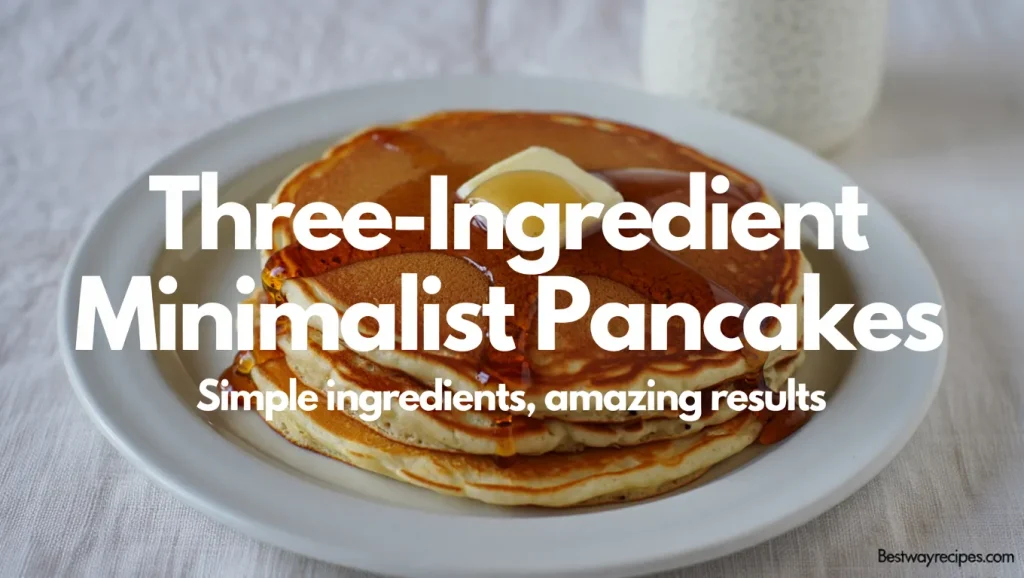
1. Three-Ingredient Minimalist Pancakes For those mornings when the pantry’s bare: ½ cup cottage cheese, 2 eggs, ½ cup rolled oats (blended into flour). That’s it. Naturally gluten-free, subtly sweet, ridiculously easy.
2. Blueberry Lemon Burst Fold ½ cup fresh blueberries and 1 teaspoon lemon zest into the basic batter. The berries burst during cooking, creating jammy pockets. Serve with a dusting of powdered sugar.

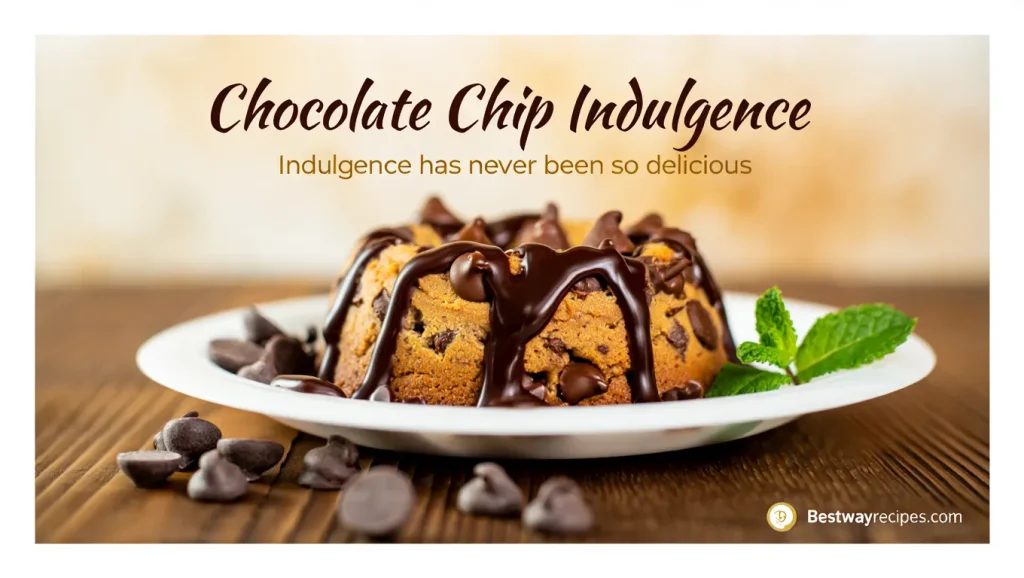
3. Chocolate Chip Indulgence Stir in ⅓ cup mini dark chocolate chips after mixing the batter. Add 1 tablespoon cocoa powder to the dry ingredients for double chocolate decadence. Kids go absolutely wild for these.
4. Banana Walnut Mash 1 ripe banana into the cottage cheese mixture before blending. Fold in ¼ cup chopped walnuts. The banana adds natural sweetness and creates extra-moist pancakes.
5. Savory Herb & Cheese Omit the maple syrup and cinnamon. Add 2 tablespoons chopped fresh chives, ¼ cup shredded sharp cheddar, and a pinch of black pepper. Serve with sour cream and smoked salmon. Revolutionary.
6. Pumpkin Spice (Fall Favorite) Mix in ⅓ cup pumpkin puree, increase cinnamon to ½ teaspoon, and add ¼ teaspoon each of nutmeg and ginger. Pure autumn magic.
Healthier Alternatives & Smart Swaps
Reduce sugar: The maple syrup in the batter can be cut in half or eliminated entirely if you’re topping with syrup anyway.
Boost protein further: Add 1 scoop unflavored protein powder to the dry ingredients and increase liquid by 2 tablespoons.
Increase fiber: Replace half the flour with ground flaxseed or chia seeds (adds omega-3s too).
Lower sodium: Cottage cheese can be salty. Look for “no salt added” varieties, which typically contain 50-70% less sodium.
Whole grain option: Swap all-purpose flour for whole wheat pastry flour. Your pancakes stay tender but gain 3-4 extra grams of fiber per serving.
Serving Suggestions That Elevate the Experience
Classic Sweet: Warm pure maple syrup, a pat of grass-fed butter, and fresh berries. Simple perfection.
Decadent Brunch: Top with Greek yogurt, a drizzle of honey, and candied pecans. Add a sprinkle of sea salt.
Savory Sophistication: Layer with cream cheese, smoked salmon, capers, and fresh dill. Serve with mimosas.
Kid-Friendly Fun: Peanut butter, sliced bananas, and a light drizzle of chocolate sauce.
Beverage Pairings: These pancakes pair beautifully with hot coffee, chai lattes, or fresh-squeezed orange juice. For brunch gatherings, try a light prosecco or a berry smoothie.
If you love weekend breakfast rituals, pair these pancakes with our easy weekend baking project (link to: https://bestwayrecipes.com/sourdough-bread-recipe-without-starter/) for sourdough bread without a starter.
Common Mistakes to Avoid (Learn From My Fails)
1. Cooking on high heat: This is the #1 mistake. High heat burns the outside while leaving the inside raw. Medium-low is your friend. Takes longer, but the results are infinitely better.
2. Overmixing the batter: Stirring too vigorously develops gluten, making pancakes tough and chewy instead of light and fluffy. Mix until just combined.
3. Flipping too early: If the edges aren’t set and the surface isn’t bubbling, it’s not ready. Flipping too soon = broken pancakes that stick to the spatula.
4. Using low-fat or nonfat cottage cheese: The fat content matters for texture and richness. Low-fat versions create drier, less flavorful pancakes. Spring for the good stuff.
5. Skipping the rest time: Letting batter sit for 5 minutes creates fluffier, more tender pancakes. The flour hydrates fully and the leavening activates.
Storage Tips for Meal Prep Success
Refrigerator: Store cooked pancakes in an airtight container with parchment paper between layers. They’ll keep for 5-7 days. Reheat in a toaster oven at 350°F for 3-4 minutes until crispy.
Freezer: Flash-freeze pancakes on a baking sheet for 1 hour, then transfer to a freezer bag. They’ll keep for 3 months. No need to thaw just pop frozen pancakes in the toaster for a quick breakfast.
Batter storage: You can refrigerate batter for up to 24 hours in a covered container. Give it a gentle stir before cooking, as ingredients may separate slightly.
Reheating pro tip: Skip the microwave if possible. It makes pancakes rubbery. A toaster, toaster oven, or quick pan-fry in butter brings back that just-made texture.
Expert Tips & Tricks From My Kitchen
The blender is essential: Hand-mixing leaves cottage cheese lumps, which some people love (pockets of melted cheese!) and others don’t. Blending creates uniformly smooth, fluffy pancakes.
Why they’re so fluffy: The protein in cottage cheese creates structure while baking powder produces air pockets. Together, they make pancakes that rise beautifully and stay tender. It’s simple chemistry working in your favor.
The cover trick: If your pancakes are browning too quickly but the centers stay raw, reduce heat and cover the pan for the last minute of cooking. The trapped steam cooks the center through.
Batch cooking strategy: Make a triple batch on Sunday. Freeze individual portions. On Tuesday morning when you’re running late, you have a protein-packed breakfast ready in 3 minutes.
Just like our homemade chicken broth (link to: https://bestwayrecipes.com/chicken-broth-recipe/) proves, making things from scratch brings unmatched flavor and control over ingredients.
Real Kitchen Success: Sarah’s Story
Sarah, a working mom from Seattle, wrote to tell me how cottage cheese pancakes transformed her family’s mornings. “My kids are picky eaters who barely touched breakfast,” she explained. “They’d nibble on toast, then I’d get calls from school that they were hungry and unfocused.”
She tried the classic recipe first, then experimented with the chocolate chip variation. “Game changer,” she said. “They don’t even realize they’re eating cottage cheese. They devour three pancakes each, and I don’t get those hunger calls anymore. Plus, I make a huge batch on Sunday and freeze them. Weekday mornings are actually manageable now.”
The protein content made the difference. Sarah’s kids stayed full and focused through their morning classes, and she stopped worrying about whether they’d eaten enough. “These pancakes gave me back my sanity,” she laughed.
Conclusion
Cottage cheese pancakes are one of those rare recipes that check every box: they’re genuinely healthy, incredibly satisfying, simple enough for busy weekdays, and impressive enough for lazy Sunday brunches. The combination of fluffy texture, crispy edges, and that subtle tang makes them stand apart from every other pancake you’ve tried.
Whether you’re chasing protein goals, feeding growing kids, or just craving something that tastes indulgent without the guilt, this recipe delivers. Try the classic version first, then experiment with the variations. Find your favorite. Make them a tradition.
And when your family wanders into the kitchen, drawn by that irresistible toasty aroma, you’ll know you’ve nailed it. Trust me breakfast will never feel boring again.
Ready to get started? Grab your cottage cheese and let’s make Saturday morning legendary. Leave a comment below and let me know which variation you try first!
Cottage cheese pancakes are a perfect example of how high-protein, feel-good meals are trending right now. To explore more dishes Americans are cooking and sharing, head over to 5 Trending US Recipes You Need To Try Right Now, where healthy favorites meet viral comfort foods.
FAQs
Can I make cottage cheese pancakes without a blender? Yes, but the texture will be different. Whisk the cottage cheese vigorously with the eggs to break down curds as much as possible. You’ll have small pockets of cottage cheese throughout, which some people actually prefer. Alternatively, press the cottage cheese through a fine-mesh sieve before mixing.
Why are my cottage cheese pancakes falling apart? This usually happens when you flip too early or use a pan that’s too hot. Make sure the edges look set and slightly matte before flipping, and cook on medium-low heat. Also, ensure you’re using enough flour the batter should be thick, not runny.
Can I make these pancakes dairy-free? Cottage cheese is the star ingredient, so substituting it changes the recipe significantly. However, some readers have had success using silken tofu blended until smooth, though the flavor profile will differ. For savory versions, try using mashed chickpeas with nutritional yeast.
Are cottage cheese pancakes keto-friendly? The classic recipe contains about 28g carbs per serving, which may be too high for strict keto. For a keto version, replace flour with almond flour (use ¾ cup) and omit the maple syrup. This brings carbs down to approximately 6-8g per serving.
How do I prevent cottage cheese pancakes from being rubbery? Avoid overmixing the batter and don’t overcook the pancakes. Cook on medium-low heat and remove them as soon as the centers spring back when gently pressed. Overcooking causes the eggs and cheese proteins to tighten, creating a rubbery texture.
Can I add protein powder to cottage cheese pancakes? Yes, but you’ll need to adjust the liquid. Add 1 scoop (about 30g) of unflavored protein powder to the dry ingredients and increase the liquid (milk or water) by 2-3 tablespoons. The pancakes will be denser but pack even more protein.
What’s the best cottage cheese to use for pancakes? Full-fat (4%) small-curd cottage cheese works best. The fat content creates tender, moist pancakes with rich flavor. Small curds blend more smoothly than large curds, though large curds create interesting texture pockets if you prefer a chunkier style.
Rate this recipe:
Author´sTop Recipes Piks
- My Mom’s 5-Ingredient Meatloaf Is My Favorite
- Easy Crustless Quiche Recipe With Cottage Cheese
- 5-Step Rich Dense Chocolate Cake Recipe
- Costa Rican Tea Recipe: How To Make This Best Comfort Drink
- Easy Lavash Bread Recipe: Homemade Armenian Flatbread
- The Ultimate Bourbon Cream Recipe: A Smooth and Luxurious Delight
- Krusteaz Pancake Mix Recipe: Easy Morning Favorite
Similar Posts
Easy Banana Bread with Chocolate Chips Recipe
Indulge in a homemade treat with this easy Banana Bread with Chocolate Chips recipe that promises a moist and sweet snack for the whole family.
How to Make 3 Banana bread recipe without butter
No butter? No problem! Try this moist, flavorful banana bread recipe made with oil. Easy, healthier, and perfect for any time.
Cheesy Breakfast: 3 Ultimate Guide To The Best mom’s food
Tired of boring morning meals? Whip up these 3 easy and delicious cheesy breakfast recipes for a satisfying start to your day. Try them now!
Fluffy Pancake Recipe: 7 Secret Tips for Amazing Results
Whip up the fluffiest pancakes ever! This easy recipe gives you light, airy stacks perfect for breakfast or brunch. So delicious and simple!
The Best Breakfast Ideas for Every Morning
Discover 15 easy and delicious breakfast ideas to kickstart your day! Get inspired to make your mornings brighter.
Delicious Cottage Cheese Breakfast Recipes to Try Today
Discover nutritious and delicious cottage cheese breakfast recipes that will transform your morning routine. Start your day with protein-packed meals ready in minutes