Table of Contents
Introduction
Have you ever tasted a dessert that feels like a warm hug from a French grandmother? That’s exactly what a traditional Clafoutis offers! This rustic French custard dessert, with its origins in the Limousin region of France, has been charming taste buds for generations. But what if I told you that this classic cherry bake recipe could be transformed into six extraordinary flavor experiences that will revolutionize your dessert game?
While most recipes stick to the traditional French cherry Clafoutis, we’re taking this oven-baked custard to new heights with flavor combinations that honor tradition while embracing innovation. Whether you’re a seasoned baker or a complete beginner, these variations will make you fall in love with this simple yet elegant dessert all over again.
Ingredients List
For the Classic Clafoutis Batter:
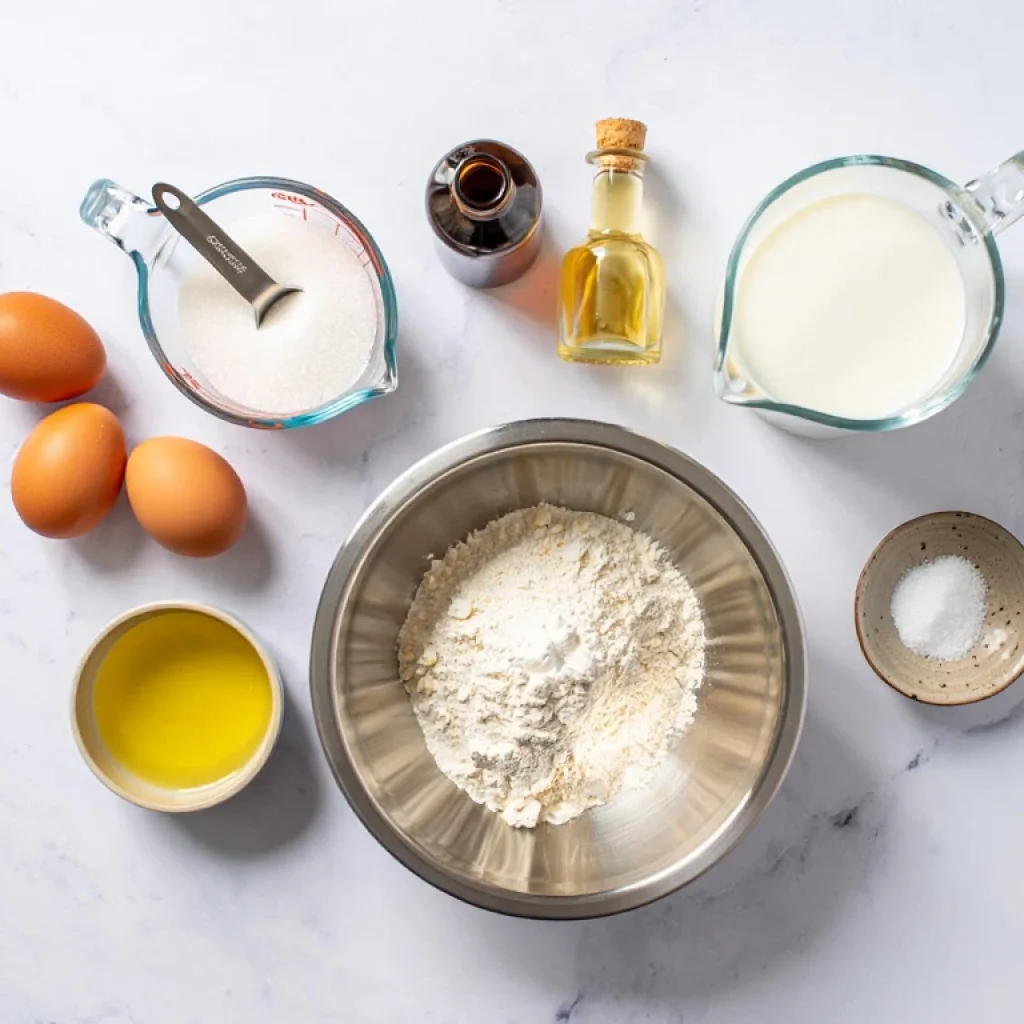
- 1½ cups all-purpose flour (or gluten-free flour blend)
- ⅔ cup granulated sugar
- ¼ teaspoon salt
- 3 large eggs, at room temperature
- 1½ cups whole milk
- 2 tablespoons unsalted butter, melted
- 1 teaspoon vanilla extract
- 1 tablespoon brandy or rum (optional)
For the 6 Flavor Variations:
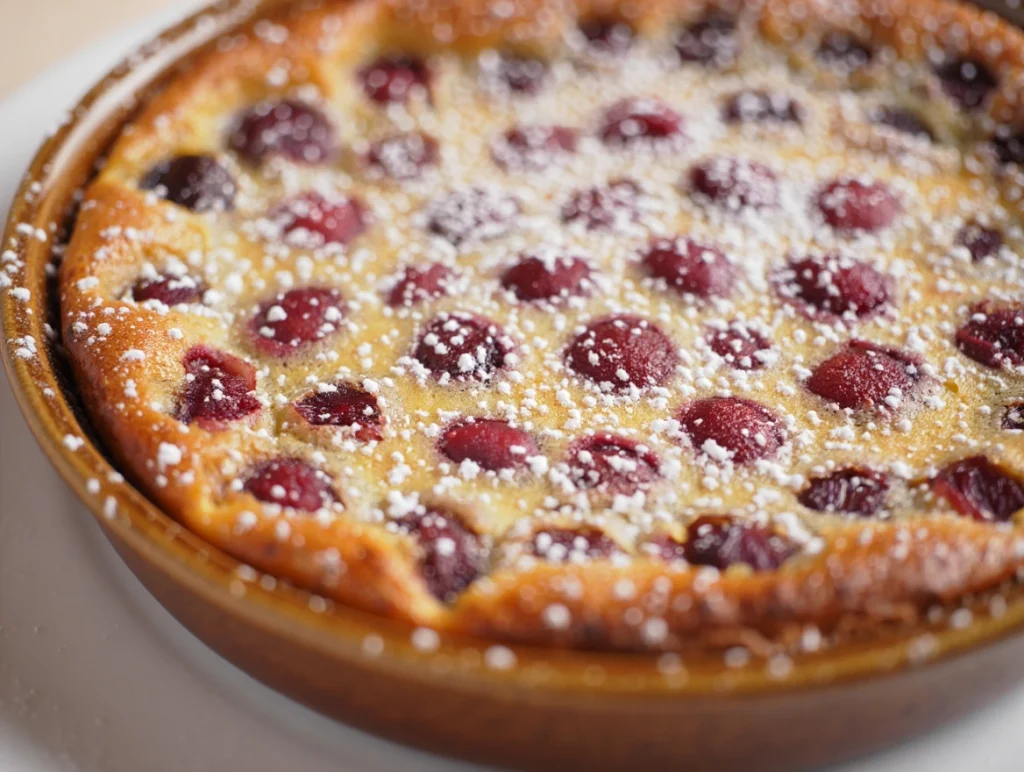
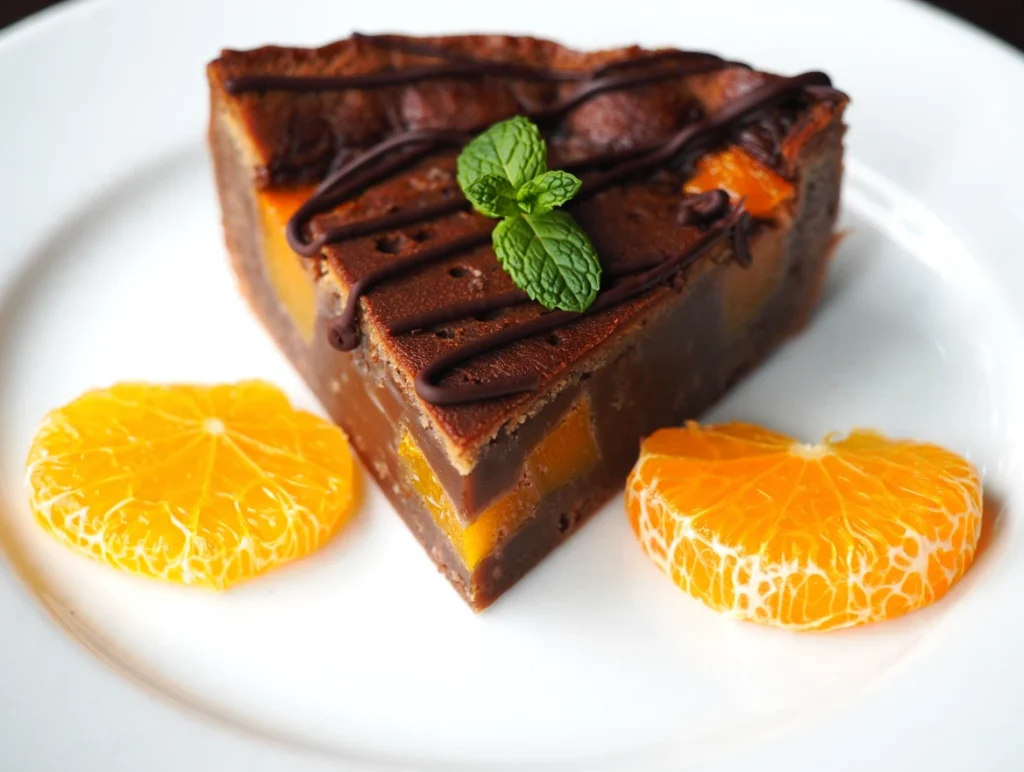
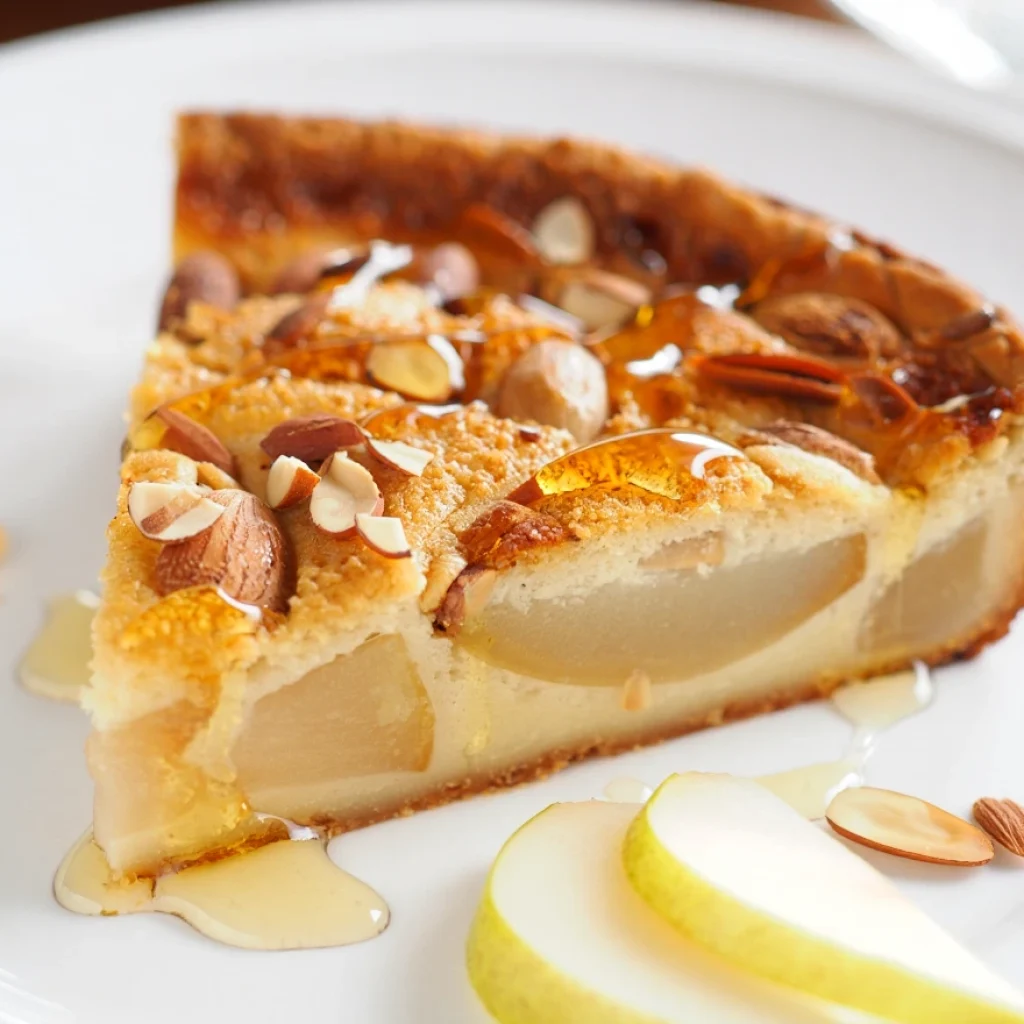
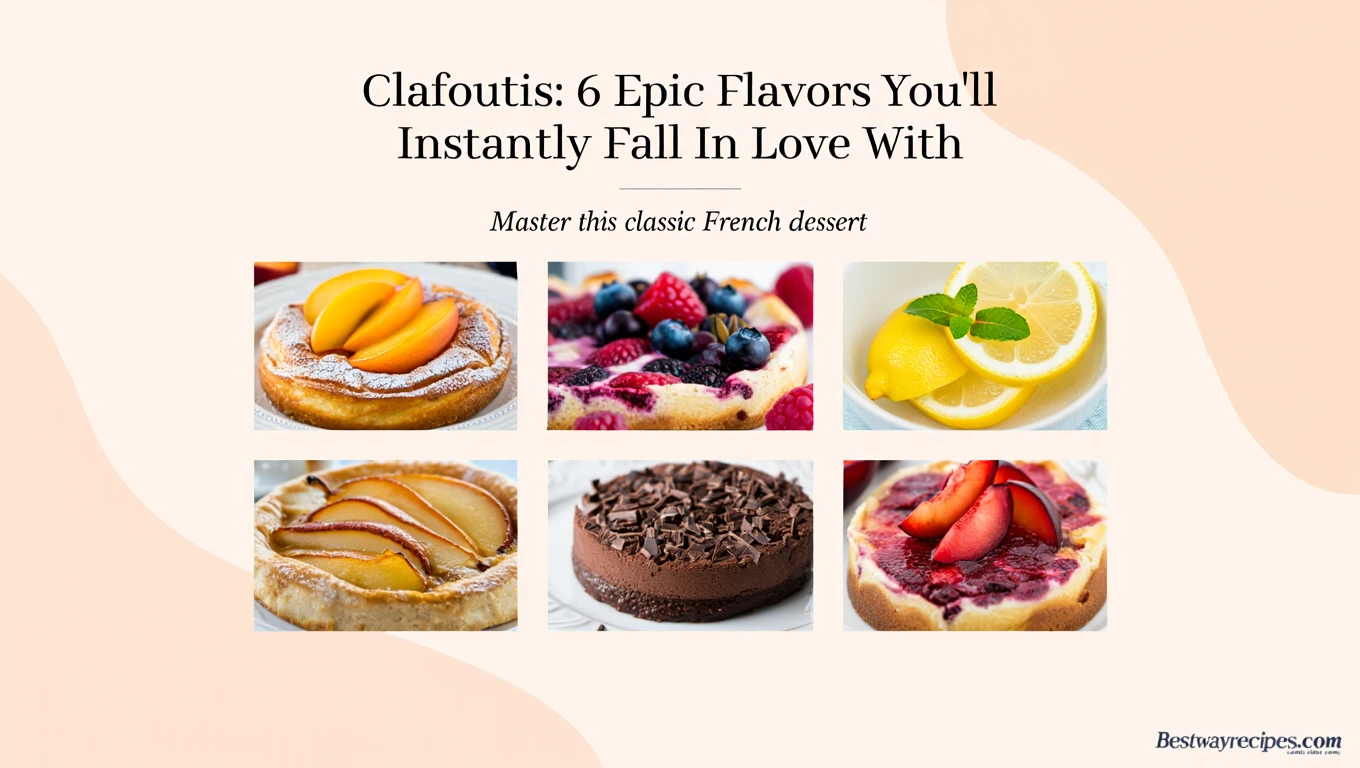
- Classic Cherry Clafoutis: 2 cups fresh or frozen dark sweet cherries, pitted
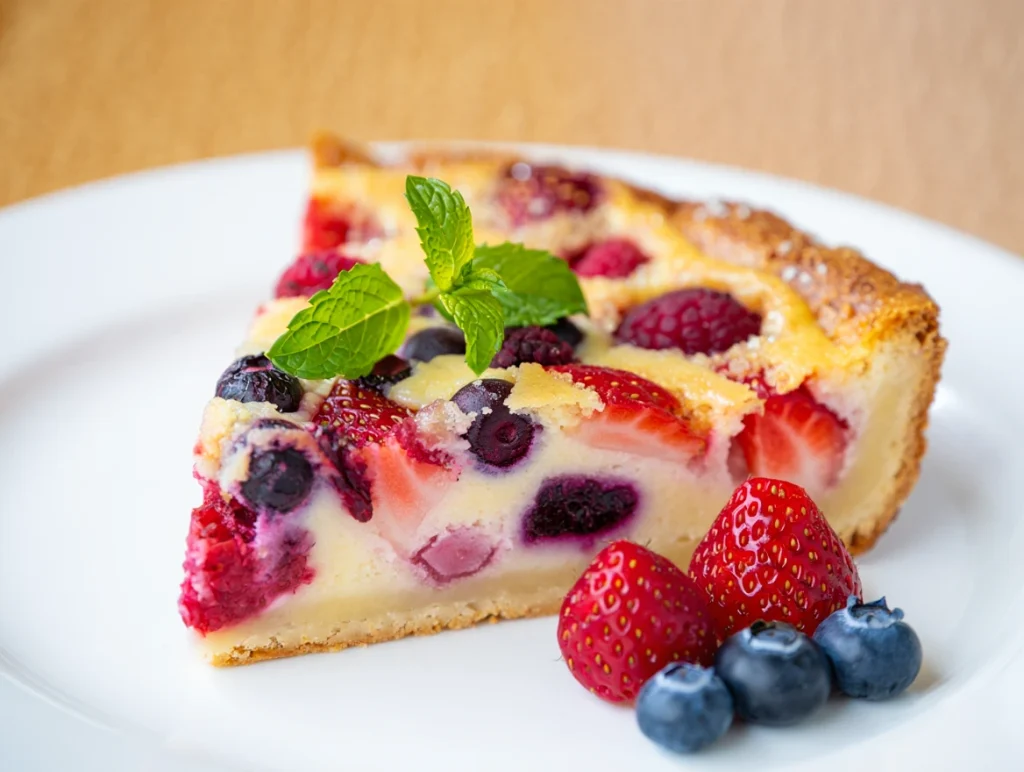
- Berry Medley Clafoutis: 1 cup mixed berries (strawberries, blueberries, raspberries)
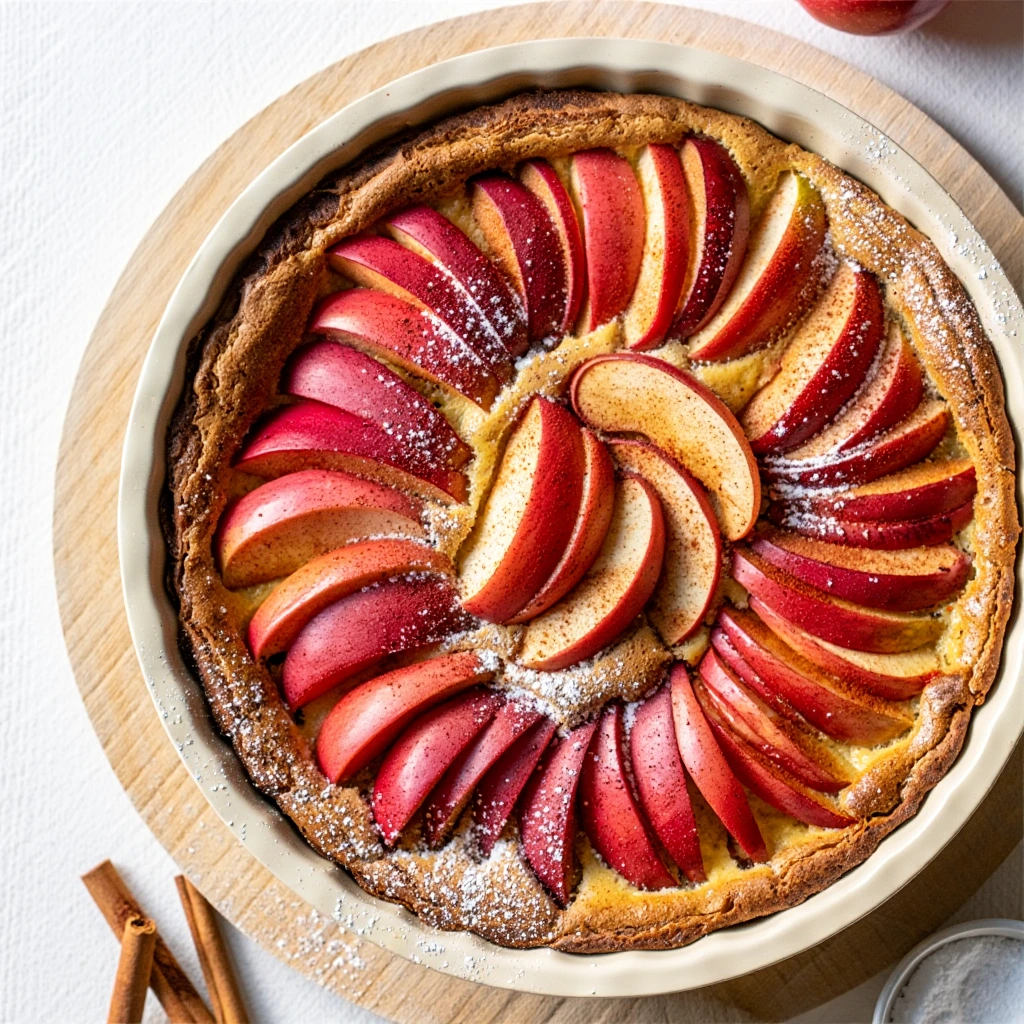
- Apple Cinnamon Clafoutis: 2 cups thinly sliced tart apples, 1 teaspoon cinnamon
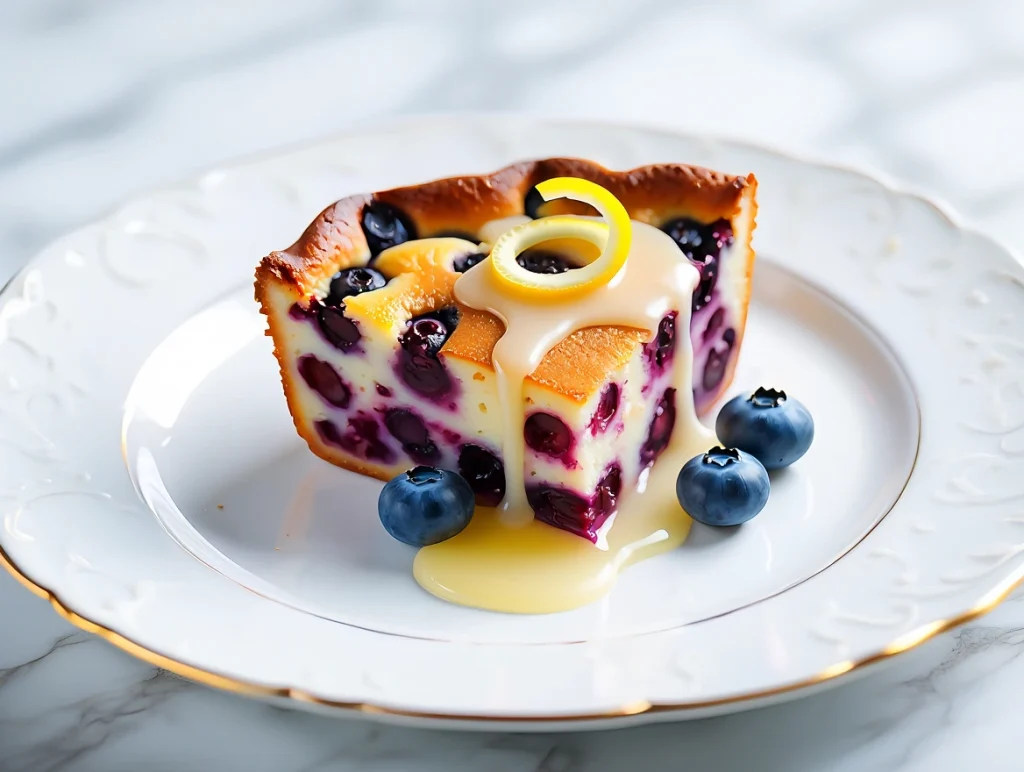
- Lemon Blueberry Clafoutis: 1½ cups fresh blueberries, zest of 1 lemon
- Chocolate Orange Clafoutis: ½ cup dark chocolate chips, zest of 1 orange
- Pear Almond Clafoutis: 2 cups sliced pears, ¼ cup sliced almonds
Dietary Substitutions:
- Gluten-free: Use a 1-to-1 gluten-free flour blend
- Dairy-free: Substitute almond milk and dairy-free butter
- Vegan: Use plant-based milk, egg replacer, and vegan butter
- Sugar-free: Replace with erythritol or stevia blend
Timing
- Preparation Time: PT15M
- Cooking Time: PT40M
- Total Time: PT55M
- Comparison: 25% quicker than most traditional French dessert recipes that require additional resting time
Step-by-Step Instructions
- Preheat your oven to 375°F (190°C). Grease a 9-inch round baking dish or cast-iron skillet with butter and dust with sugar.
- Prepare the batter: In a medium bowl, whisk together flour, sugar, and salt. In a separate large bowl, beat eggs until frothy, then gradually add milk, melted butter, vanilla, and brandy if using.
- Combine wet and dry ingredients: Pour the wet ingredients into the dry ingredients and whisk until just combined. Don’t overmix – a few small lumps are fine!
- Add your chosen fruit: Gently fold in your selected fruit (and any additional flavorings like cinnamon or zest).
- Pour into prepared dish: Transfer the batter to your prepared baking dish. The fruit will sink slightly during baking – this is normal!
- Bake for 40-45 minutes: The Clafoutis is done when the edges are puffed and golden brown, but the center still has a slight jiggle (like custard).
- Cool slightly: Let the Clafoutis cool for at least 10 minutes before serving. It will deflate slightly as it cools.
- Serve warm: Dust with powdered sugar and serve with a dollop of crème fraîche or vanilla ice cream.
Pro Tips and Flavor Boosters:
- For extra depth, add a pinch of nutmeg or cardamom to the batter
- Try using brown sugar instead of white for a caramel note
- For a crispy top, sprinkle additional sugar over the batter before baking
- When using frozen fruit, don’t thaw it first – this prevents excess moisture
Nutritional Information
| Nutrient | Per Serving | % Daily Value |
|---|---|---|
| Calories | 245 | 12% |
| Total Fat | 8g | 12% |
| Saturated Fat | 4.5g | 23% |
| Cholesterol | 95mg | 32% |
| Sodium | 125mg | 5% |
| Total Carbohydrate | 35g | 12% |
| Dietary Fiber | 2g | 8% |
| Sugars | 22g | – |
| Protein | 5g | 10% |
| Vitamin A | 300IU | 6% |
| Vitamin C | 4mg | 7% |
| Calcium | 120mg | 12% |
| Iron | 1.5mg | 8% |
Note: Nutritional values may vary based on fruit selection and substitutions.
Cherries, the traditional fruit, are also packed with antioxidant properties.
Healthier Alternatives
For those watching their calories or with dietary restrictions, try these modifications:
- Reduced Sugar Version: Replace sugar with a natural sweetener like stevia or monk fruit. Use naturally sweet fruits like berries to compensate for flavor.
- Lower Fat Option: Substitute whole milk with 2% or almond milk, and use only 1 tablespoon of butter.
- High-Protein Variation: Replace half the flour with protein powder and use Greek yogurt instead of some of the milk.
- Gluten-Free Adaptation: Use a quality gluten-free flour blend with xanthan gum for structure. The texture will be slightly denser but equally delicious.
- Vegan Version: Use flax eggs (1 tablespoon ground flaxseed + 3 tablespoons water per egg), plant-based milk, and vegan butter.
Serving Suggestions
The beauty of Clafoutis lies in its versatility. Here are some serving ideas to elevate your experience:
- Classic French Style: Serve warm with a dusting of powdered sugar and a side of crème fraîche
- Decadent Twist: Add a scoop of vanilla bean ice cream and a drizzle of chocolate sauce
- Brunch Favorite: Pair with a fresh fruit salad and strong coffee
- Elegant Dinner Party: Serve with a glass of dessert wine like Sauternes or late-harvest Riesling
- Seasonal Variations: In summer, accompany with fresh mint leaves; in winter, serve with warm spiced cider
For festive occasions, try arranging the fruit in decorative patterns before adding the batter, or dust with seasonal spices like nutmeg for Christmas or lavender for spring gatherings.
Common Mistakes to Avoid
- Overmixing the batter: This develops gluten and makes the Clafoutis tough instead of tender. Fix: Mix just until combined – lumps are your friend here!
- Using too much fruit: This prevents the custard from setting properly. Fix: Stick to the recommended 2 cups of fruit for a 9-inch dish.
- Overbaking: A dry, rubbery texture is the result of cooking too long. Fix: Remove from the oven when the center still has a slight jiggle.
- Not letting it rest: Cutting into it too soon results in a runny texture. Fix: Allow at least 10 minutes of cooling time before serving.
- Using watery fruits: This creates a soggy Clafoutis. Fix: Pat very juicy fruits dry before adding to the batter.
Storage Tips
To maintain the quality of your Clafoutis:
- Refrigerator: Store covered in the refrigerator for up to 3 days. The texture will become denser over time.
- Freezer: Freeze individual portions wrapped tightly in plastic wrap and aluminum foil for up to 2 months.
- Best shelf life: For optimal taste and texture, enjoy within 24 hours of baking.
- Reheating methods:
- Oven: Reheat at 350°F for 10-15 minutes
- Microwave: Warm individual portions for 20-30 seconds
- Room temperature: Many prefer Clafoutis served at room temperature rather than reheated
Expert Tips & Tricks
As a pastry chef who has spent years perfecting this rustic French dessert, here are my professional insights:
- Temperature matters: All ingredients should be at room temperature before mixing. This ensures a smooth, homogenous batter.
- The secret ingredient: A tablespoon of kirsch (cherry brandy) enhances the fruit flavor even in non-cherry variations.
- Pan selection: A cast-iron skillet creates a beautiful crispy edge that’s difficult to achieve with other pans.
- Fruit arrangement: For visual appeal, arrange fruit in a pattern before adding the batter, or save some to press into the top just before baking.
- Texture perfection: For a silkier custard, let the batter rest for 30 minutes before baking.
- Seasonal adaptation: Adjust sugar based on fruit sweetness – less for summer berries, more for winter apples.
Case Study / Example
When I first introduced these Clafoutis variations at my local bakery, the response was overwhelming. The traditional cherry Clafoutis sold out within hours, but it was the unexpected flavors that created buzz.
A memorable moment was when a skeptical customer tried the Lemon Blueberry version and declared it “life-changing.” She returned the next day with friends to try all six variations. This experience taught me that while tradition has its place, innovation in classic recipes creates excitement and brings new audiences to traditional French baking.
Our bakery now features a “Clafoutis of the Week” program, rotating through seasonal fruit variations based on what’s available at local farmers’ markets. This approach has increased our dessert sales by 40% and introduced many customers to the joy of this simple yet elegant French custard dessert.
Conclusion
Clafoutis represents the perfect balance of simplicity and elegance in French baking. With its custard-like texture and endless flavor possibilities, this rustic dessert deserves a place in every home baker’s repertoire. Whether you stick to the traditional French cherry Clafoutis or venture into our creative variations, you’re sure to create a dessert that will have your guests asking for seconds.
We’d love to hear which variation becomes your favorite! Leave a comment below, share your creations on social media, and don’t forget to subscribe for more delicious recipes that bring the joy of French baking to your kitchen.
FAQs
Q: What exactly is Clafoutis made of? A: Clafoutis is a traditional French dessert made of a simple batter (similar to pancake batter) poured over fruit and baked until puffed and golden. The result is a custard-like texture with tender fruit throughout.
Q: Can I make Clafoutis with frozen fruit? A: Absolutely! Frozen fruit works well in Clafoutis. In fact, many bakers prefer it as it releases less moisture than fresh fruit. There’s no need to thaw it first – just add it directly to the batter.
Q: Is Clafoutis supposed to be gooey in the middle? A: Yes, a properly baked Clafoutis should have a slight jiggle in the center when removed from the oven. It will continue to set as it cools. Overbaking results in a dry, rubbery texture rather than the desired custard-like consistency.
Q: What’s the difference between Clafoutis and a Dutch baby? A: While both are baked egg-based dishes, Clafoutis is a dessert with fruit baked into a custard-like batter, while a Dutch baby is a puffed pancake typically served for breakfast without fruit. Clafoutis has a denser, more custard-like texture.
Q: Can I make Clafoutis ahead of time? A: Clafoutis is best served warm, shortly after baking. However, you can prepare the batter up to 24 hours in advance and store it in the refrigerator. Bake just before serving for the best results.
Q: Why is it called “Clafoutis”? A: The name comes from the Occitan word “clafotís,” meaning “to fill” or “to garnish,” referring to how the dish is filled with fruit. Traditionally, it was made with black cherries left unpitted, as the pits were believed to add almond-like flavor during baking.
Q: What’s the best pan for making Clafoutis? A: While you can use various baking dishes, a cast-iron skillet is ideal as it distributes heat evenly and creates a delicious crispy edge. A 9-inch round cake pan or pie plate also works well.
Author´sTop Recipes Piks
- My Mom’s 5-Ingredient Meatloaf Is My Favorite
- Easy Crustless Quiche Recipe With Cottage Cheese
- 5-Step Rich Dense Chocolate Cake Recipe
- Costa Rican Tea Recipe: How To Make This Best Comfort Drink
- Easy Lavash Bread Recipe: Homemade Armenian Flatbread
- The Ultimate Bourbon Cream Recipe: A Smooth and Luxurious Delight
- Krusteaz Pancake Mix Recipe: Easy Morning Favorite