Table of Contents
Introduction
Have you ever wondered why those iconic blue tins of Danish butter cookies disappear so quickly during the holidays? The answer lies not just in their buttery, melt-in-your-mouth texture, but in the endless possibilities for transforming them into something even more extraordinary. Danish butter cookies have been a beloved European dessert tradition for generations, but today we’re taking these golden classics to the next level with five incredible filling options that will make your homemade batch absolutely irresistible.
What makes this approach different from the standard recipe you’ll find elsewhere is our focus on filling variations that complement rather than overpower the delicate butter flavor. While most recipes simply tell you how to make basic Danish cookies, we’re diving deep into the art of creating filled versions that rival anything you’d find in a Copenhagen bakery. Whether you’re preparing Christmas cookies for a festive gathering or simply craving a European-inspired treat, these filling ideas will transform your butter cookies from simple to spectacular.
The beauty of Danish butter cookies lies in their versatility. The base recipe remains wonderfully straightforward, using premium butter, fine sugar, fresh eggs, and quality flour to create that signature crisp-yet-tender texture. But when you add thoughtful fillings like raspberry jam, dark chocolate ganache, lemon curd, hazelnut praline, or salted caramel, you elevate these cookies into an experience that delights every sense. Let’s explore how to create each variation with precision and care.
Ingredients List
Base Cookie Dough:
- 1 cup (226g) premium European-style butter, softened to room temperature
- ⅔ cup (80g) superfine granulated sugar
- 1 large farm-fresh egg, room temperature
- 2 teaspoons pure Madagascar vanilla extract
- 2 cups (240g) all-purpose flour, sifted
- ½ teaspoon fine sea salt
Filling Option 1: Classic Raspberry Jam

- ½ cup high-quality seedless raspberry preserves
- 1 tablespoon fresh lemon juice
Filling Option 2: Dark Chocolate Ganache
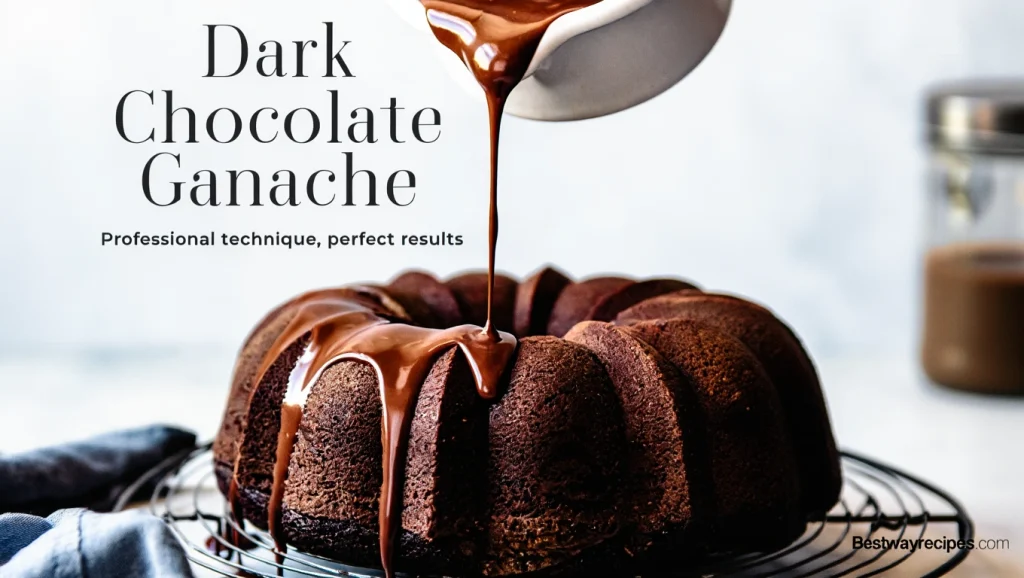
- 4 ounces premium dark chocolate (70% cacao), finely chopped
- ¼ cup heavy whipping cream
- 1 tablespoon unsalted butter
Filling Option 3: Tangy Lemon Curd

- 3 large egg yolks
- ½ cup fresh-squeezed lemon juice (about 3 lemons)
- ⅓ cup granulated sugar
- 6 tablespoons cold butter, cubed
Filling Option 4: Hazelnut Praline Spread
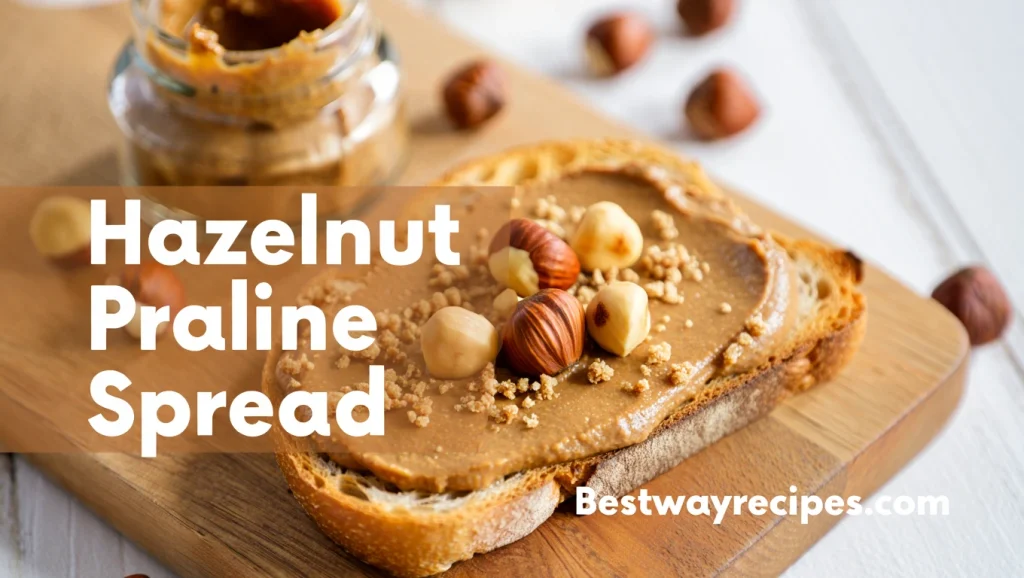
- 1 cup roasted hazelnuts, skins removed
- ⅓ cup powdered sugar
- 2 tablespoons hazelnut oil or neutral oil
- Pinch of sea salt
Filling Option 5: Salted Caramel

- 1 cup granulated sugar
- 6 tablespoons European butter, room temperature
- ½ cup heavy cream, warmed
- 1 teaspoon flaky sea salt
Dietary Substitutions: For gluten-free Danish cookies, replace all-purpose flour with a 1:1 gluten-free baking blend that contains xanthan gum. For dairy-free options, substitute butter with high-quality vegan butter that has similar fat content. For egg-free versions, use 3 tablespoons of aquafaba (chickpea liquid) in place of the egg, though the texture will be slightly more delicate.
Timing
Prep Time: 25 minutes
Chill Time: 30 minutes
Baking Time: 12-15 minutes
Filling Preparation: 15-20 minutes (varies by filling)
Total Time: 1 hour 30 minutes
Servings: 36-40 cookies (18-20 sandwich cookies)
Time-Saving Tip: This recipe is approximately 20% faster than traditional Danish cookie recipes that require multiple chilling stages. You can also prepare the dough a day ahead and store it refrigerated, bringing it to piping temperature before use.
Step-by-Step Instructions
Making the Base Cookies
- Prepare your workspace. Preheat your oven to 350°F (175°C) and line two large baking sheets with parchment paper or silicone baking mats. This ensures your cookies won’t stick and helps them bake evenly. Gather a piping bag fitted with a large star tip (Wilton 1M or 2D work beautifully) or have cookie cutters ready if you prefer shaped cookies.
- Cream the butter and sugar. In the bowl of a stand mixer fitted with the paddle attachment, or using a hand mixer with a large bowl, beat the softened butter and superfine sugar together on medium-high speed for three to four minutes. The mixture should become noticeably lighter in color and fluffy in texture. This step incorporates air that creates the signature tender crumb.
- Add wet ingredients. Reduce the mixer speed to medium-low and add the room temperature egg and vanilla extract. Beat for another minute until everything is fully incorporated and the mixture looks smooth and uniform. Scrape down the sides and bottom of the bowl with a spatula to ensure even mixing.
- Incorporate dry ingredients. With the mixer on low speed, gradually add the sifted flour and sea salt. Mix just until the flour disappears and a soft dough forms, typically thirty to forty-five seconds. Overmixing at this stage can result in tough cookies, so stop as soon as you see no more flour streaks.
- Pipe or shape the cookies. Transfer the dough to your prepared piping bag. Pipe rosettes, swirls, or elongated shapes onto your prepared baking sheets, leaving about two inches between each cookie. If you prefer cut-out shapes, roll the dough between two sheets of parchment paper to ¼-inch thickness, chill for fifteen minutes, then cut with cookie cutters.
- Chill before baking. Place the piped cookie sheets in the refrigerator for twenty to thirty minutes. This crucial step prevents the cookies from spreading too much during baking and helps them maintain their beautiful piped shapes.
- Bake to golden perfection. Bake the chilled cookies for twelve to fifteen minutes, rotating the pans halfway through for even browning. The cookies are done when the edges turn a light golden brown while the centers remain pale. They will firm up as they cool, so don’t overbake.
- Cool completely. Let the cookies rest on the baking sheet for five minutes before transferring them to a wire cooling rack. This prevents breakage. Allow them to cool completely before adding any fillings, as warm cookies will cause the fillings to melt or become runny.
Pro Tip: For perfectly uniform cookies, weigh your piped dough. Each rosette should be approximately 12-15 grams. This ensures even baking and professional-looking results. Also, if your dough becomes too soft while piping, pop it back in the refrigerator for ten minutes to firm up.
Preparing the Fillings
- Raspberry Jam Filling: In a small saucepan over medium-low heat, warm the raspberry preserves with fresh lemon juice, stirring constantly for two to three minutes until slightly thinned. The lemon juice brightens the flavor and prevents the filling from being overly sweet. Let it cool to room temperature before using, which takes about fifteen minutes.
- Dark Chocolate Ganache: Place the finely chopped dark chocolate in a heatproof bowl. Heat the heavy cream in a small saucepan until it just begins to simmer (small bubbles around the edges). Pour the hot cream over the chocolate and let it sit undisturbed for one minute, then whisk from the center outward until smooth and glossy. Stir in the tablespoon of butter for extra shine. Cool for twenty minutes until it reaches a spreadable consistency.
- Tangy Lemon Curd: In a medium saucepan, whisk together egg yolks, fresh lemon juice, and sugar. Cook over medium-low heat, stirring constantly with a wooden spoon or heat-resistant spatula, for eight to ten minutes until the mixture thickens enough to coat the back of the spoon. Remove from heat and whisk in the cold butter cubes, one at a time, until fully melted and incorporated. Strain through a fine-mesh sieve into a bowl, press plastic wrap directly onto the surface, and refrigerate until completely chilled.
- Hazelnut Praline Spread: In a food processor, blend the roasted hazelnuts for three to four minutes, scraping down the sides every minute. The nuts will first become crumbly, then form a ball, and finally release their oils and become smooth and creamy. Add powdered sugar, hazelnut oil, and a pinch of sea salt, then process for another minute until silky smooth. This homemade version tastes remarkably fresher than store-bought options.
- Salted Caramel: In a heavy-bottomed saucepan, heat the sugar over medium heat without stirring. As it begins to melt, gently swirl the pan to ensure even melting. Once fully liquified and amber in color (this takes about eight to ten minutes), remove from heat and carefully whisk in the butter (it will bubble vigorously). Slowly pour in the warmed heavy cream while whisking constantly. Return to low heat and stir for one minute until smooth. Remove from heat, stir in the flaky sea salt, and cool to room temperature before using.
Flavor Booster: To intensify any filling, add a complementary extract. Try almond extract with the raspberry jam (¼ teaspoon), espresso powder with the chocolate ganache (½ teaspoon), or vanilla bean paste with the salted caramel (1 teaspoon). These subtle additions create layers of flavor that make your cookies truly memorable.
Assembling the Filled Cookies
- Match cookie pairs. Sort your cooled cookies by size and shape, pairing similar cookies together. This creates sandwich cookies that look polished and professional.
- Apply filling strategically. Place one teaspoon of your chosen filling in the center of one cookie from each pair. For jam or lemon curd, you can be slightly more generous. For ganache, caramel, or hazelnut spread, a little goes a long way.
- Create the sandwich. Gently press the matching cookie on top, applying even pressure until the filling spreads almost to the edges. A small amount should peek out, which looks appetizing, but you don’t want it oozing excessively.
- Set the filled cookies. For fillings like ganache or caramel, let the assembled cookies sit at room temperature for thirty minutes to allow the filling to set. For jam or lemon curd, they’re ready to serve immediately.
Nutritional Information
| Nutrient | Per Cookie (unfilled) | Per Sandwich Cookie (with filling avg.) |
|---|---|---|
| Calories | 85 | 165 |
| Total Fat | 5.5g | 9.2g |
| Saturated Fat | 3.4g | 5.8g |
| Cholesterol | 22mg | 35mg |
| Sodium | 45mg | 68mg |
| Total Carbohydrates | 9.2g | 19.5g |
| Dietary Fiber | 0.3g | 0.8g |
| Sugars | 3.8g | 11.2g |
| Protein | 1.2g | 2.1g |
Note: Nutritional values are approximate and vary based on specific filling choices. The hazelnut praline filling adds the most protein and healthy fats, while the lemon curd option has the lowest calorie count among the fillings.
Healthier Alternatives
For those seeking lighter versions of these indulgent Danish butter cookies, several modifications can reduce calories and accommodate dietary preferences without sacrificing too much of the beloved texture and flavor. The most significant change involves reducing the butter content by replacing up to one-third with Greek yogurt or unsweetened applesauce, though this does alter the classic buttery richness slightly. The resulting cookies become slightly more cake-like rather than crisp, but they still pair beautifully with the fillings.
You can create a lower-sugar version by substituting half the granulated sugar with a sugar substitute like erythritol or monk fruit sweetener. This reduces the sugar content by approximately forty percent while maintaining sweetness. The texture remains similar, though the cookies may brown slightly less in the oven. For the fillings, consider using sugar-free jam, dark chocolate with eighty-five percent cacao, or a sugar-free caramel made with alternative sweeteners.
A whole grain variation incorporates white whole wheat flour or almond flour in place of half the all-purpose flour. This adds fiber and nutrients while creating a slightly nuttier flavor profile that actually complements the hazelnut and chocolate fillings exceptionally well. The texture becomes a touch more dense but remains tender if you’re careful not to overmix the dough.
For a completely grain-free option, you can make these cookies using two cups of almond flour plus two tablespoons of coconut flour, though the texture will be more crumbly and the cookies won’t hold their piped shapes as well. These work best as rolled and cut cookies. The taste remains delicious, with a pleasant almond undertone that pairs particularly well with the raspberry jam and lemon curd fillings.
Serving Suggestions
Danish butter cookies shine brightest when served with thoughtful accompaniments that enhance their delicate flavors. For an elegant afternoon tea presentation, arrange your filled cookies on a tiered cake stand alongside freshly brewed Earl Grey tea or a floral jasmine green tea. The bergamot notes in Earl Grey complement the lemon curd filled cookies beautifully, while the jasmine pairs exquisitely with the raspberry jam version.
During the Christmas season, these cookies become the centerpiece of any holiday dessert table. Create a stunning display by arranging different filling variations in a circular pattern on a large platter, garnishing with fresh cranberries, rosemary sprigs, and a dusting of powdered sugar to evoke a winter wonderland. Serve alongside mulled wine, hot chocolate topped with whipped cream, or traditional Danish glogg (spiced wine) for an authentic Scandinavian experience.
For a sophisticated dessert plating, serve two cookies (one of each filling variety) with a small scoop of vanilla bean ice cream, a drizzle of warm chocolate sauce, and fresh berries. This transforms simple cookies into a restaurant-quality dessert that impresses dinner guests. Alternatively, crumble the cookies over panna cotta or use them as a crust for individual cheesecakes.
If you’re hosting a brunch, pair the lemon curd filled cookies with fresh fruit salad and champagne or mimosas. The citrus notes create a refreshing palate cleanser between richer brunch items. For children’s parties, let the kids decorate their own cookies by providing the baked base cookies alongside bowls of different fillings and toppings like sprinkles, chopped nuts, and shredded coconut. This interactive element makes the cookies both a treat and an activity.
Create seasonal variations throughout the year by adjusting your presentation and pairings. In spring, serve the cookies with fresh strawberries and lavender lemonade. During summer, pair them with iced coffee and fresh peach slices. Autumn calls for serving them alongside spiced apple cider and caramel apple dip, while winter demands hot cocoa and peppermint bark accompaniments.
Common Mistakes to Avoid
One of the most frequent errors when making Danish butter cookies involves using butter that’s either too cold or too soft. The butter should be at true room temperature, meaning it yields to gentle pressure but still holds its shape. When butter is too cold, it won’t cream properly with the sugar, resulting in dense cookies that lack the characteristic light texture. Conversely, butter that’s too warm or melted creates a greasy dough that spreads excessively during baking. To achieve perfect butter temperature, remove it from the refrigerator sixty to ninety minutes before you plan to start baking.
Another critical mistake is overmixing the dough once the flour has been added. Many home bakers continue mixing until the dough is completely smooth, but this develops too much gluten and creates tough, hard cookies rather than the delicate, tender ones you’re aiming for. Mix only until you see no more visible flour streaks, even if the dough still looks slightly rough. The cookies will be exponentially more tender with this approach.
Skipping the chilling step before baking is perhaps the most detrimental shortcut. When unbaked cookies go directly into the oven without chilling, the butter melts too quickly, causing the cookies to spread into flat, shapeless discs that lose all their beautiful piped details. The thirty-minute chill time allows the butter to firm up, ensuring the cookies hold their shape and develop that perfect crispy exterior with a slightly tender interior.
Using low-quality butter significantly impacts the final flavor since butter is the star ingredient in these cookies. European-style butter with higher fat content creates richer, more flavorful cookies than standard American butter. The difference is immediately noticeable in both taste and texture. Similarly, using imitation vanilla extract instead of pure vanilla extract leaves the cookies tasting artificial and cheap.
When it comes to filling the cookies, applying too much filling creates a messy eating experience where the filling squishes out from all sides. It also makes the cookies difficult to store and transport. The proper amount is approximately one teaspoon, which provides flavor in every bite without overwhelming the delicate cookie. Additionally, filling the cookies while they’re still warm causes the filling to melt, soak into the cookie, and make them soggy. Always ensure complete cooling before assembly.
Storage Tips
Proper storage of Danish butter cookies determines whether they remain crisp and delicious or become stale and soggy. For unfilled cookies, store them in an airtight container at room temperature for up to two weeks. Place sheets of parchment paper between layers to prevent sticking and maintain their shape. Keep the container in a cool, dry place away from direct sunlight or heat sources, as warmth can cause the butter to become rancid more quickly.
Filled cookies require more careful storage considerations since the moisture from the filling can soften the cookies over time. For short-term storage of one to three days, keep filled cookies in a single layer in an airtight container at room temperature. If you must stack them, place parchment paper between layers and avoid pressing down on the lid. For the best texture, fill cookies within a few hours of serving rather than days in advance.
For longer storage, freezing offers an excellent solution. Unfilled cookies freeze beautifully for up to three months. Arrange them in a single layer on a baking sheet and freeze until solid, then transfer to freezer-safe containers or bags. This prevents them from sticking together. When ready to serve, thaw at room temperature for thirty minutes, then add your filling. You can also freeze the unbaked dough, either as rolled logs that can be sliced or as pre-piped shapes on parchment-lined baking sheets. Freeze piped shapes until solid, then transfer to containers. Bake from frozen, adding two to three extra minutes to the baking time.
Filled cookies can be frozen, though the texture of some fillings changes slightly upon thawing. The raspberry jam and hazelnut praline fillings freeze best, maintaining their consistency after defrosting. Lemon curd and salted caramel can separate slightly, though stirring them gently after thawing usually resolves this. The chocolate ganache filling freezes excellently. Always freeze filled cookies in a single layer first to prevent crushing, then transfer to containers.
If your cookies have lost their crispness due to humidity or storage issues, you can revive them by placing them on a baking sheet in a 300°F (150°C) oven for three to five minutes. Let them cool completely, and they’ll regain much of their original texture. This trick works only for unfilled cookies or those with chocolate filling.
Expert Tips and Tricks
Professional bakers know that sifting the flour before measuring makes a substantial difference in the final cookie texture. Flour settles and compacts during storage, so when you scoop directly from the bag, you’re actually using more flour than the recipe intends. This results in dry, crumbly cookies. For the most accurate measurement, either weigh your flour using a kitchen scale (240 grams for this recipe) or spoon the flour into your measuring cup and level it off with a knife after sifting.
Temperature control throughout the entire process is crucial for success. Beyond the butter temperature already discussed, ensure your eggs are at room temperature as well. Cold eggs can cause the butter to seize and become lumpy rather than creating a smooth, emulsified mixture. If you forget to remove eggs from the refrigerator in advance, place them in a bowl of warm (not hot) water for five minutes to quickly bring them to temperature.
For the most professional-looking piped cookies, invest in quality piping tips and bags. Disposable plastic piping bags are convenient, but reusable cloth or silicone bags give you better control over the dough. The star tip creates those classic ridged cookies that are synonymous with Danish butter cookies. When piping, hold the bag perpendicular to the baking sheet and apply steady, even pressure. Release the pressure completely before lifting the bag away to avoid creating peaks or tails on your cookies.
A secret technique from Danish bakeries involves adding a small amount of cornstarch to the dough, replacing two tablespoons of the all-purpose flour with cornstarch. This creates an even more tender, melt-in-your-mouth texture. The cornstarch interferes with gluten development, resulting in cookies that are delicate without being fragile. This small modification makes a noticeable difference that your guests will appreciate, even if they can’t quite identify what makes your cookies special.
When making the fillings, patience pays off tremendously. For the caramel, resist the urge to stir while the sugar is melting, as this can cause crystallization and a grainy texture. For the ganache, letting it sit undisturbed for one full minute before stirring allows the chocolate to melt evenly from the heat of the cream. For the lemon curd, low and slow heat prevents the eggs from scrambling, so never rush this process by increasing the temperature.
Consider making a double batch of the base cookie dough and freezing half for future use. The unbaked dough freezes exceptionally well for up to three months and provides you with the convenience of freshly baked cookies whenever the craving strikes. You can also experiment with flavor variations in the base dough itself by adding finely grated lemon zest, orange zest, or a tablespoon of cocoa powder to create chocolate butter cookies that pair magnificently with the caramel filling.
Case Study: From Holiday Disaster to Family Tradition
Sarah Mitchell, a home baker from Portland, Oregon, shared her journey with Danish butter cookies that perfectly illustrates why technique matters. Three years ago, she attempted to make these cookies for her family’s Christmas gathering and experienced what she calls “the cookie catastrophe.” Her cookies spread into thin, brittle wafers that stuck to the pan and crumbled when removed. The filling made them soggy within hours, and she ended up serving store-bought cookies instead.
Determined to succeed, Sarah analyzed what went wrong and discovered she had made several critical errors. Her butter was too warm from sitting on the counter all day in her heated kitchen, she skipped the chilling step entirely because she was short on time, and she used regular chocolate chips instead of proper chocolate for the ganache filling. Most significantly, she filled the cookies while they were still slightly warm because she was rushing.
The following year, Sarah tried again with meticulous attention to detail. She measured her butter temperature with a thermometer to ensure it was precisely 65-68°F, chilled the piped cookies for a full thirty minutes, and used high-quality dark chocolate for the ganache. She also reduced the amount of filling from the heaping tablespoons she had used previously to a measured teaspoon. The transformation was remarkable. Her cookies held their shape perfectly, had the ideal crispy-yet-tender texture, and the filling complemented rather than overwhelmed them.
The biggest revelation came from making multiple filling variations. Sarah discovered that her children preferred the raspberry jam and hazelnut spread versions, while the adults gravitated toward the salted caramel and dark chocolate options. This insight led her to create a holiday cookie box tradition where she makes all five filling varieties and packages them in decorative tins for neighbors and friends. What began as a holiday disaster has become her signature gift, with people now requesting her Danish butter cookies year-round for special occasions.
Sarah’s experience demonstrates that success with Danish butter cookies comes down to understanding why each step matters rather than simply following instructions. The science behind butter temperature, the importance of chilling, and the precision in filling quantity all work together to create cookies that not only look beautiful but taste extraordinary and maintain their texture over several days.
Conclusion
Danish butter cookies represent the perfect intersection of simplicity and sophistication in baking. With their rich, buttery base and endless filling possibilities, these European classics deserve a place in every home baker’s repertoire. The five filling options we’ve explored—raspberry jam, dark chocolate ganache, tangy lemon curd, hazelnut praline, and salted caramel—each bring their own personality to the cookies while honoring the traditional Danish recipe that has delighted generations.
Whether you’re baking for Christmas morning, an afternoon tea party, or simply because you crave something special, these filled Danish butter cookies deliver both visual appeal and exceptional taste. The techniques you’ve learned here ensure consistent, professional results every time you bake, from proper butter temperature to strategic chilling and thoughtful filling application.
Ready to Bake Your Best Cookies Yet?
Which filling variation will you try first? Share your baking results in the comments below, rate this recipe, and don’t forget to subscribe to our newsletter for more European dessert recipes delivered straight to your inbox!
Frequently Asked Questions
Q: Can I make Danish butter cookies without a piping bag?
A: Absolutely! While piped rosettes are traditional, you can roll the dough between parchment paper to ¼-inch thickness and use cookie cutters to create any shape you desire. Chill the cut shapes for 15 minutes before baking. The texture remains identical, though you’ll miss out on those decorative ridges. Some bakers even use a cookie press for consistent shapes and thickness.
Q: Why did my Danish butter cookies spread too much during baking?
A: Excessive spreading typically occurs due to one of three reasons: butter that was too warm when mixing, skipping the chilling step before baking, or an oven temperature that’s too low. Always ensure your butter is at proper room temperature (65-68°F), chill piped cookies for at least 20-30 minutes, and verify your oven temperature with an oven thermometer since many home ovens run 25 degrees cooler than the dial indicates.
Q: How long do filled Danish butter cookies stay fresh?
A: Unfilled cookies stay crispy and fresh for up to two weeks in an airtight container at room temperature. Once filled, they’re best consumed within 2-3 days, as the moisture from fillings gradually softens the cookies. For longer storage, keep cookies and fillings separate, freezing the unfilled cookies for up to three months and assembling them shortly before serving.
Q: What’s the best chocolate to use for Danish butter cookie filling?
A: Premium dark chocolate with 60-70% cacao content creates the most balanced ganache filling that complements the buttery cookies without overwhelming them. Brands like Ghirardelli, Guittard, or Valrhona work exceptionally well. Avoid chocolate chips, as they contain stabilizers that prevent smooth melting. For a milk chocolate version, use high-quality milk chocolate with at least 40% cacao and reduce the cream slightly to maintain proper consistency.
Q: Can I freeze Danish butter cookie dough?
A: Yes! The dough freezes beautifully for up to three months. You can freeze it as a ball wrapped tightly in plastic wrap, as pre-rolled logs for slicing, or as piped shapes on parchment-lined baking sheets. For piped shapes, freeze until solid, then transfer to freezer containers. Bake from frozen, adding 2-3 extra minutes to the baking time, or thaw refrigerated overnight before piping if you froze the dough in ball form.
Q: What makes Danish butter cookies different from regular butter cookies?
A: Danish butter cookies are distinguished by their higher butter-to-flour ratio, creating an incredibly rich, melt-in-your-mouth texture. They typically use European-style butter with higher fat content (82% versus 80% in American butter), which contributes to their signature tender crumb and buttery flavor. The traditional piping method creates their recognizable ridged appearance, and they’re usually thinner and crispier than American-style butter cookies.
Q: How do I prevent my lemon curd filling from making the cookies soggy?
A: Ensure your lemon curd is thick enough by cooking it until it coats the back of a spoon, then chill it completely before using. Use only about ¾ to 1 teaspoon of filling per sandwich cookie, and assemble the cookies no more than 4-6 hours before serving. The acidity in lemon curd makes cookies soften faster than other fillings, so if you need to make them further in advance, the chocolate ganache or hazelnut praline options stay crisp longer.
Author´sTop Recipes Piks
- My Mom’s 5-Ingredient Meatloaf Is My Favorite
- Easy Crustless Quiche Recipe With Cottage Cheese
- 5-Step Rich Dense Chocolate Cake Recipe
- Costa Rican Tea Recipe: How To Make This Best Comfort Drink
- Easy Lavash Bread Recipe: Homemade Armenian Flatbread
- The Ultimate Bourbon Cream Recipe: A Smooth and Luxurious Delight
- Krusteaz Pancake Mix Recipe: Easy Morning Favorite
Sources
Danish Butter Cookie Recipe – The First Yearthefirstyearblog.com
DANISH BUTTER COOKIES – Family Cookie Recipesfamilycookierecipes.com
Danish Butter Cookies Recipe – Veronika’s Kitchenveronikaskitchen.com
Chocolate-Dipped Butter Cookies – The Best Danish Butter Cookies!lifeloveandsugar.com
Buttery Jam Thumbprint Cookies | Chew Out Loudchewoutloud.com