
Table of Contents
Introduction
The first time I tried making a latte at home, I ended up with a cup of warm milk that tasted vaguely of coffee. I had added the espresso last, poured it straight into cold milk, and somehow surprised myself watched it sink to the bottom while the milk stayed stubbornly unsteamed. I drank it anyway. It was not great.
That was three years ago. Since then, I have worked through enough coffee recipes to know which ones actually deliver at home and which ones require equipment most of us do not own. This guide covers ten drinks I make regularly: some with espresso, some without, a couple that are embarrassingly simple, and at least one that genuinely impressed guests when I served it.

If you have a standard drip machine, a moka pot, or even just instant coffee on your shelf, there is something here for you. Let’s get into it.
Why This Guide Exists
- For home cooks who want cafe-quality coffee drinks without a commercial espresso machine
- When you are tired of paying five dollars for something you could make in your kitchen in six minutes
- Useful any time of year: iced drinks for summer, hot drinks for winter, blended options year-round
- Solves the problem of having beans but not knowing what to make beyond a basic drip brew
Ingredients: What You Actually Need
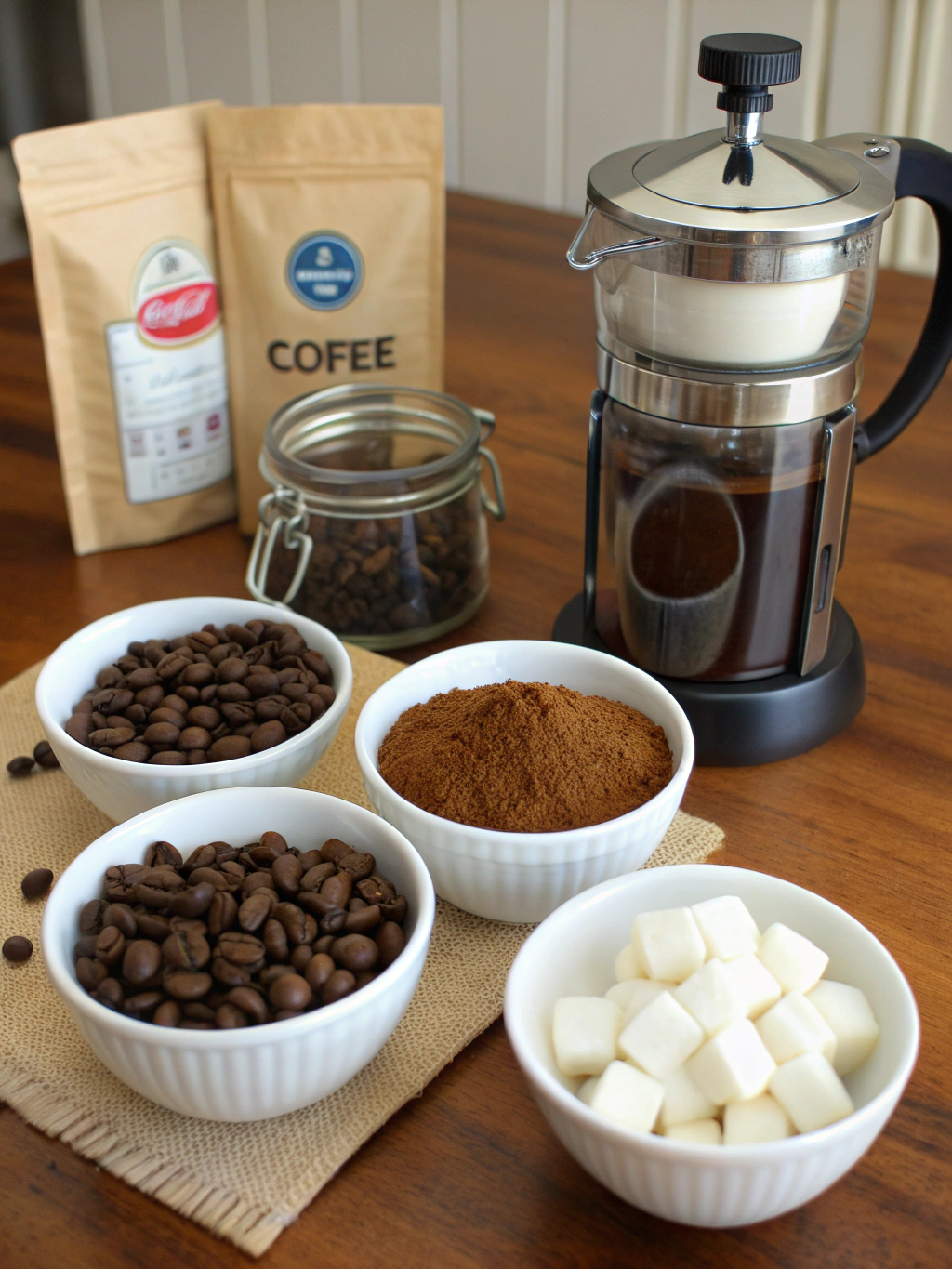
Coffee Base (The Foundation of Everything)
Every drink here starts with one of three coffee bases. Your choice of base changes the outcome more than anything else.
- Strong brewed coffee (moka pot or French press): Richest flavor, closest to espresso without a machine. A moka pot makes coffee that is bold and slightly bitter in a good way ideal for lattes.
- Cold brew concentrate: Made 12–24 hours ahead, it is smooth, low-acid, and forgiving. I use a 1:4 coffee-to-water ratio. It lasts five days in the fridge.
- Instant espresso powder: Yes, really. Medaglia D’Oro or Cafe Bustelo instant works surprisingly well dissolved in two tablespoons of hot water. It will not fool a barista, but it will satisfy you on a Tuesday morning.
Milk (Or Milk Alternatives)
Whole milk froths the best. Full stop. I have tested oat milk, almond milk, and coconut milk. Oat milk (specifically Oatly Barista Edition) is the only non-dairy option that came close to a proper microfoam. Almond milk separates in hot drinks. Coconut milk adds sweetness, which can be good or bad depending on the recipe.
Sweeteners
Simple syrup is my default because it dissolves instantly in both hot and cold drinks. Honey works but can overwhelm delicate coffee flavor. Brown sugar adds a molasses note that I love in iced drinks. Maple syrup is underrated in lattes one teaspoon goes a long way.
Flavor Additions
- Vanilla extract (pure, not imitation): 1/4 teaspoon per serving
- Ground cinnamon: A pinch on top or stirred in while brewing
- Cocoa powder: For mocha variations mix with a small amount of hot water before adding coffee
- Cardamom: A tiny pinch transforms a standard latte into something unexpected
Dietary Substitutions
- Vegan: Use oat milk (Barista Edition) and maple syrup or agave. Skip honey.
- Low-sugar: Use unsweetened milk alternatives and reduce simple syrup by half. The coffee flavor comes forward more, which I actually prefer.
- Dairy-free whipped cream: Coconut cream chilled overnight and whipped with a hand mixer. Works well on hot drinks as a topping.
Timing
- Prep Time: 5–15 minutes (ISO 8601: PT15M)
- Brew/Chill Time: 5 minutes (hot drinks) to 12–24 hours (cold brew: PT24H)
- Total Active Time: Approximately 20 minutes for most drinks (PT20M)
Honest comparison: A moka pot latte takes about as long as waiting in a drive-through line. Cold brew requires planning ahead but rewards you with five days of ready-made coffee concentrate.
Step-by-Step Instructions
Drink 1: Stovetop Latte (No Espresso Machine)

- Fill the bottom of your moka pot with cold water to just below the pressure valve. Do not overfill this is the most common moka pot mistake.
- Add finely ground coffee (espresso grind) to the filter basket, level it off without pressing down. Pressing creates over-extraction and bitterness.
- Assemble and heat over medium-low heat with the lid open. You are watching for a slow, steady gurgle not a violent sputter. A violent sputter means your heat is too high.
- While the coffee brews, heat 3/4 cup of milk in a small saucepan over medium heat until it steams but does not boil. Use a small whisk or a milk frother to create foam.
- Pour 2 oz of brewed coffee into your mug first. Add the steamed milk, spooning foam on top. Sweeten to taste.
What to look for: The coffee should be dark, rich, and slightly thick. If it tastes sour, it under-extracted (heat was too low or grind too coarse). If it tastes burnt, heat was too high.
Drink 2: 5-Minute Iced Coffee
- Brew strong coffee (double strength use half the water you normally would) and let it cool for 3 minutes. Hot coffee poured directly over ice dilutes dramatically.
- Fill a tall glass with ice. Pour coffee over ice slowly.
- Add cold milk, a splash at a time, until you reach your preferred color. Stir and taste before adding sweetener.
Pro Tip: Brew a batch of double-strength coffee and freeze it into ice cubes. Use coffee ice cubes in your iced coffee so dilution is never a problem again. This changed my mornings.
Drink 3: Simple Cold Brew Concentrate
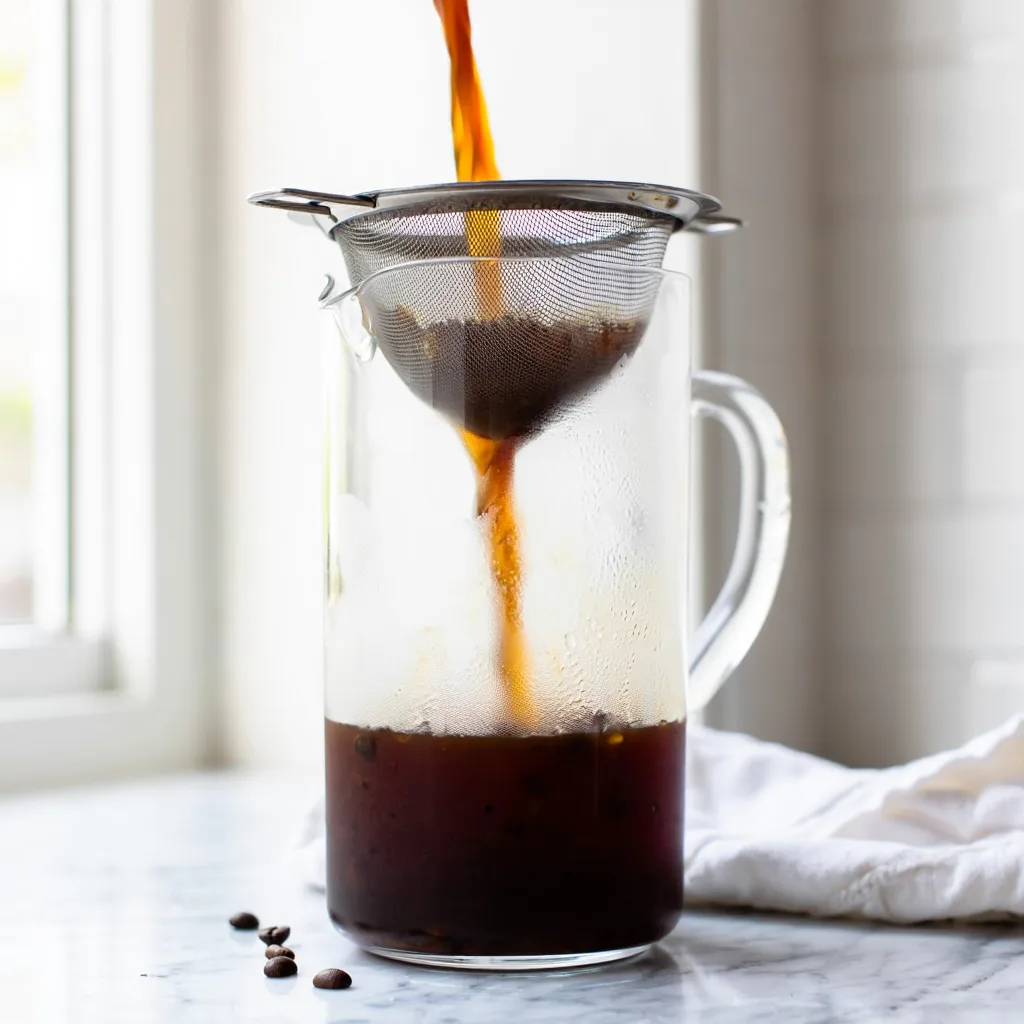
- Combine 1 cup coarsely ground coffee with 4 cups cold filtered water in a large jar. Stir gently.
- Cover and refrigerate for 12–18 hours. Longer = stronger and slightly more acidic. I find 14 hours is my sweet spot.
- Strain through a fine mesh strainer lined with a coffee filter. This takes about 10 minutes and requires patience. Rushing produces gritty coffee.
- Store concentrate in the fridge. Dilute 1:1 with water or milk when serving.
Drink 4: Dalgona (Whipped Coffee)
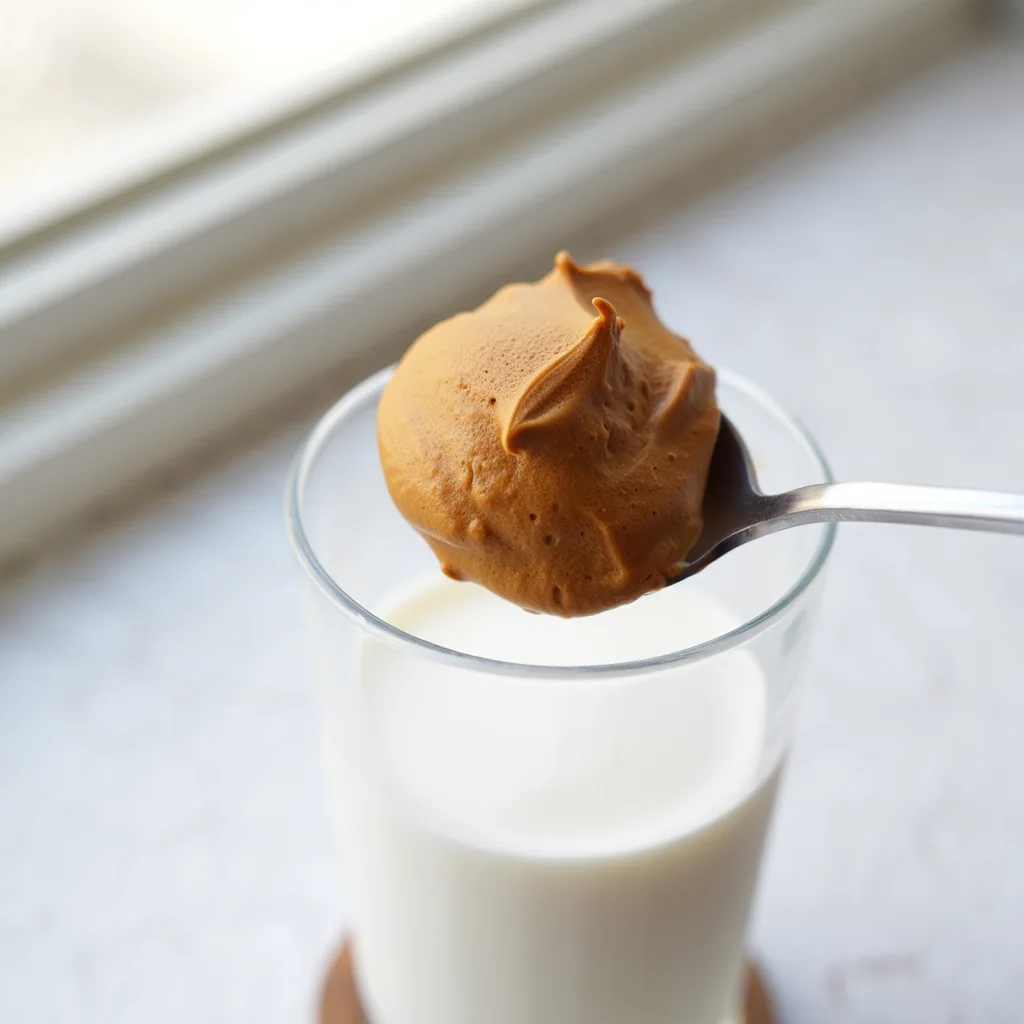
- Combine 2 tablespoons instant coffee, 2 tablespoons sugar, and 2 tablespoons hot water in a bowl.
- Whip with a hand mixer for 3–4 minutes until stiff, glossy peaks form. Under-whipped dalgona is runny and sinks immediately.
- Spoon over cold milk. Stir before drinking.
Flavor Booster: Add 1/4 teaspoon vanilla extract to the whipped mixture. It rounds out the instant coffee’s sharper edges.
Drink 5: Mocha (Hot or Iced)
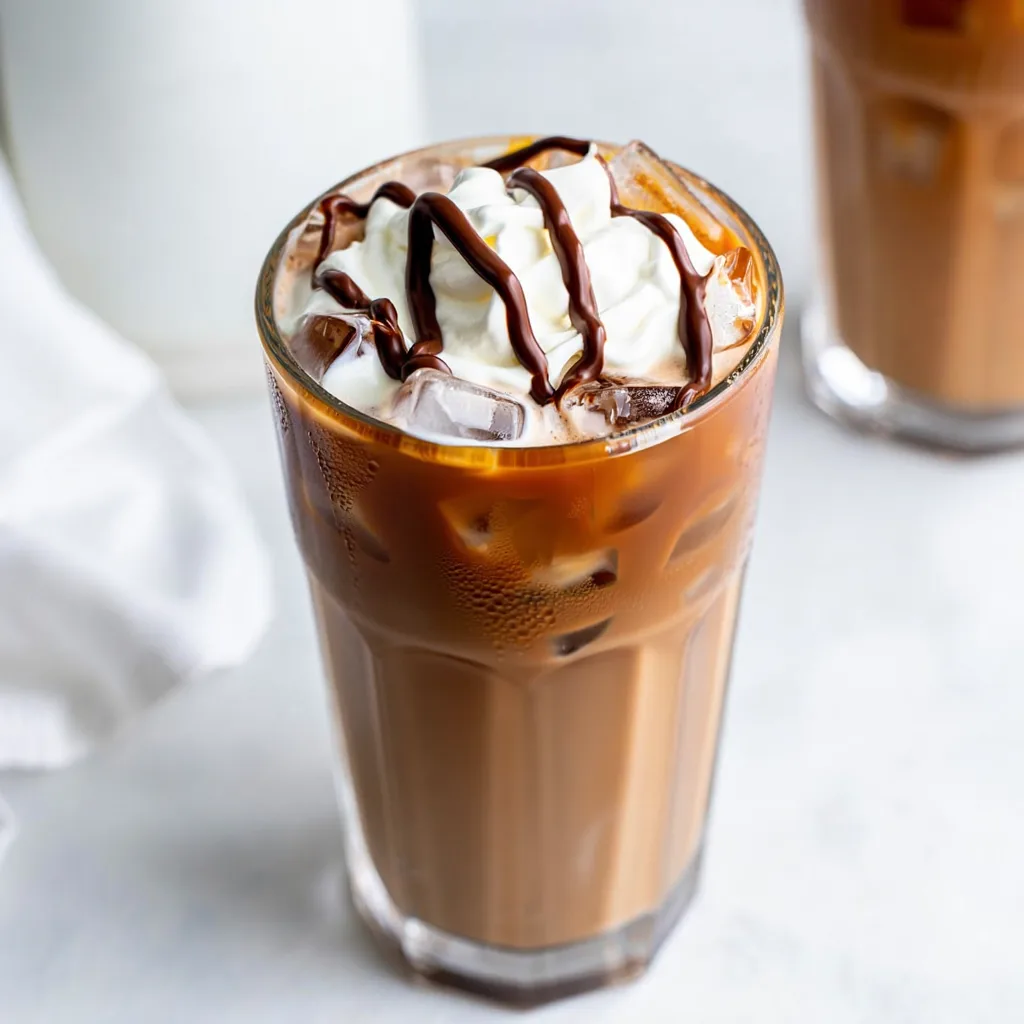
- Mix 1 tablespoon cocoa powder with 1 tablespoon hot water until smooth. Do not skip this step dry cocoa powder clumps in coffee.
- Add 2 oz strong coffee or espresso.
- Add 1 cup steamed milk (hot version) or pour over ice with cold milk.
- Sweeten with 1–2 teaspoons simple syrup or a small pinch of sugar.
Common Mistakes I Made & How I Fixed Them
Mistake 1: Making latte milk too hot
What went wrong: I used to heat milk until it bubbled actively. The result tasted scalded slightly caramelized, a little flat. Worse, it would not froth at all because the proteins had already broken down.
Why it happened: I assumed hotter meant better steaming. It does not. Milk froths best between 140–155°F (60–68°C).
The fix: I pull the milk off the heat as soon as I see a steady curl of steam rising and the surface starts to shimmer. I use an instant-read thermometer now. It sounds fussy, but it took my lattes from serviceable to genuinely good.
Mistake 2: Cold brewing for too long
What went wrong: I left a batch in the fridge for 28 hours once, thinking stronger was better. It came out tasting like the inside of a tire sharp, tannic, and unpleasant.
Why it happened: Over-extraction pulls bitter, astringent compounds from the grounds after the ideal flavor window closes.
The fix: I set a timer for 14 hours and pull it consistently at that point. If I want stronger coffee, I reduce the dilution ratio when serving, not the steep time.
Mistake 3: Not chilling coffee before making iced drinks
What went wrong: I poured freshly brewed hot coffee straight over ice. The result was a watery, pale liquid that tasted of neither coffee nor cold just disappointment.
Why it happened: Hot coffee melts ice instantly. Eight ounces of ice cubes becomes four ounces of water in seconds.
The fix: I now either brew coffee concentrate to account for dilution, or I brew ahead and refrigerate. The coffee ice cube method (freezing leftover coffee) is my actual favorite solution.
Variations I Actually Tried
Oat Milk Latte
What worked: Oatly Barista Edition steamed beautifully and produced a creamy, sweet latte that my dairy-drinking guests assumed was made with whole milk. The sweetness is natural and does not compete with the coffee.
What did not work: Regular oat milk (store-brand) separated in the hot coffee and left an unpleasant gummy texture. Barista editions have added emulsifiers that make the difference.
Maple Cinnamon Iced Coffee
What worked: A teaspoon of real maple syrup stirred into cold brew concentrate with a pinch of cinnamon created a surprisingly sophisticated drink. Better than flavored syrups from the store.
What did not work: Pancake syrup (corn syrup-based) tasted artificial and too sweet. Use real maple syrup.
Coconut Milk Iced Mocha
The full-fat coconut milk from a can (shaken well) added a rich, tropical note that worked particularly well with the cocoa. I would make this again. The flavor change is significant this is a dessert-adjacent drink.
Nutritional Information
Approximate values per 8 oz serving. Verify with USDA FoodData Central before publishing as confirmed nutrition data.
| Drink | Calories | Carbs (g) | Fat (g) | Protein (g) |
| Basic iced coffee (no milk) | 5 | 1 | 0 | 0.3 |
| Stovetop latte (whole milk) | 150 | 12 | 8 | 8 |
| Cold brew + oat milk | 90 | 14 | 2.5 | 2 |
| Dalgona whipped coffee | 190 | 32 | 4 | 3 |
| Mocha (whole milk, hot) | 210 | 26 | 9 | 9 |
Note: Values are sample estimates. Actual nutrition depends on milk type, sweetener quantity, and coffee concentration. Always verify with a nutrition calculator before publishing confirmed data.
Healthier Alternatives
- Swap whole milk for oat milk: Saves roughly 40 calories per cup, adds fiber. Flavor is slightly sweeter. Works well in iced drinks.
- Replace simple syrup with liquid stevia or monk fruit: Eliminates added sugar. Flavor is slightly different there is a mild aftertaste with stevia that some find noticeable.
- Use unsweetened cocoa in mochas instead of chocolate syrup: Cuts sugar by 8–12g per serving. The drink is less sweet, more bitter-chocolate in character. I actually prefer it.
- Half-caff: Blend regular and decaf grounds 50/50. If caffeine sensitivity affects your sleep, this is worth trying. The flavor difference is minimal.
Serving Suggestions
- Lattes and hot mochas: Serve in pre-warmed mugs (rinse with hot water first). The temperature difference between a cold mug and hot coffee matters.
- Iced coffee and cold brew: Tall glasses, wide straws. Add a pinch of salt to reduce perceived bitterness just a tiny pinch, barely enough to see.
- Dalgona: Best served in a clear glass to show the layered effect. Stir before drinking or it is overwhelmingly sweet at first sip.
- Food pairings: Croissants, buttery shortbread, or something salty like a breakfast sandwich. Coffee and salt actually work well together.
- Seasonal additions: Pumpkin spice syrup in fall (make your own with pumpkin puree, cinnamon, nutmeg), peppermint extract at Christmas, lavender simple syrup in spring.
Storage, Reheating & Real-Life Use
- Cold brew concentrate: Keeps 5 days in the fridge in a sealed jar. After day 5 it starts tasting flat and slightly sour. Make smaller batches if you are brewing for one.
- Brewed coffee: Best within 30 minutes of brewing. Reheated coffee (microwave or stovetop) tastes noticeably different stale and slightly bitter. I do not recommend it. Make fresh.
- Dalgona whipped topping: Stores in the fridge for up to 2 days. It deflates somewhat but can be re-whipped with a fork in 30 seconds.
- Milk-based drinks: Do not store. Make to order. Milk proteins and coffee tannins separate and develop off-flavors within 2–3 hours.
Expert Tips & Tricks
- Coffee bloom: If using a pour-over or French press, pour just enough hot water to wet the grounds and wait 30 seconds before continuing. This releases CO2 and improves extraction. The effect is real the flavor is cleaner.
- Water temperature: Ideal brewing temperature is 195–205°F (90–96°C). Boiling water (212°F) over-extracts. Let your kettle sit for 30 seconds after boiling.
- Freshly ground vs pre-ground: Freshly ground coffee produces noticeably better flavor in anything where the coffee is the star (lattes, cold brew). Pre-ground is fine for mochas where chocolate and milk share the spotlight.
- The pinch of salt trick: A tiny pinch of kosher salt added to the grounds before brewing mellows bitterness in a way that is hard to explain but easy to taste. Start with 1/8 teaspoon per 4 cups.
Who This Recipe Is And Is Not For
This guide is a great fit if you:
- Have a drip machine, French press, or moka pot at home
- Want to make cafe-style drinks without buying a commercial espresso machine
- Are comfortable with some prep work (cold brew requires planning the night before)
- Are a beginner or intermediate home cook who enjoys experimenting
This guide is not a great fit if you:
- Need true espresso-based drinks that require 9 bars of pressure a moka pot gets close but is not the same thing
- Want a completely hands-off routine some of these, especially the stovetop latte, require attention
- Are hoping to replicate exact Starbucks drinks to the gram these are inspired by, not copies of, commercial recipes
Reader Story
A reader named Maria left a comment that stuck with me: she had been buying lattes daily at a coffee shop near her office, not because she loved going there, but because she assumed making them at home was too complicated. She tried the stovetop latte method from an earlier version of this post, made a small tweak (she added a quarter teaspoon of vanilla to her milk before steaming), and has not ordered a latte out since. Her words: ‘It took me four tries to get the milk right. The fourth time I could not believe it tasted that good.’
That is exactly the experience I am trying to give you with this guide. It takes a few tries. That is fine. Keep adjusting.
Final Thoughts
The coffee recipes here are the ones I come back to consistently because they balance effort with reward. The stovetop latte is my weekday morning anchor. Cold brew in the fridge on Sunday means I do not have to think about coffee until Friday. Dalgona was a pandemic-era discovery I have kept in regular rotation.
If I had to make one tweak next time, I would experiment more with spices cardamom in particular. I think there is a whole world of spiced coffee drinks I have barely touched.
Try one of these this weekend and tell me in the comments which one surprised you most.
Frequently Asked Questions
Q: What is the easiest coffee recipe to make at home for beginners?
Iced coffee made from strong brewed coffee poured over ice with milk is the easiest starting point. Brew your drip coffee at double strength, let it cool for 5 minutes, pour over a glass of ice, add cold milk, and sweeten to taste. Total time: about 8 minutes. No special equipment required. If your coffee tastes watered-down, your brew was not strong enough reduce the water by half next time.
Q: Can I make a latte without an espresso machine?
Yes. A moka pot produces coffee that is strong enough to work as an espresso base in lattes. Grind your coffee fine (espresso grind), brew on medium-low heat, and combine with steamed milk at a 1:3 ratio (coffee to milk). A handheld milk frother (around $10) gives you the foam. The result is not identical to a commercial espresso latte, but it is genuinely good and costs a fraction of the price over time.
Q: How long should I steep cold brew coffee?
Twelve to eighteen hours in the refrigerator produces the best results for most people. Fourteen hours is my personal sweet spot: smooth, round, and low in bitterness. Steeping longer than 20 hours risks over-extraction the coffee becomes harsh and tannic rather than smooth. Steeping at room temperature accelerates the process (8–10 hours) but can produce more acidic results.
Q: Why does my homemade iced coffee taste watery?
The most common cause is brewing at normal strength and then pouring it over ice. Ice dilutes coffee rapidly. Brew at double strength: use the same amount of grounds but half the water. Alternatively, use coffee ice cubes (freeze leftover brewed coffee in an ice cube tray). Both methods eliminate the dilution problem entirely and are worth making a habit of.
Q: Is cold brew stronger than regular coffee?
Cold brew concentrate is significantly stronger than regular brewed coffee sometimes 2 to 4 times more concentrated. However, it is typically diluted before drinking (1:1 with water or milk), which brings it to a comparable caffeine level. The flavor difference is more pronounced than the caffeine difference: cold brew is smoother and less acidic because the cold water extracts fewer of the acidic compounds that hot brewing releases.
Q: Can I make coffee drinks with instant coffee?
Yes, and more successfully than you might expect. Dalgona whipped coffee is specifically made with instant coffee and produces a genuinely impressive result. For lattes, dissolve 2 teaspoons of instant espresso powder in 2 tablespoons of hot water, then treat it like a shot of espresso. It will not fool anyone at a cupping, but for everyday home drinks it is a perfectly reasonable substitute, especially with quality instant espresso like Medaglia D’Oro.
Q: What mistakes do people most commonly make with homemade coffee drinks?
Three come up most often. First, overheating milk, which destroys its ability to foam and creates a flat, scalded taste. Second, not brewing coffee at sufficient strength for iced drinks, resulting in watery results. Third, over-steeping cold brew, which produces bitterness rather than smoothness. Each mistake is easy to fix once you know what caused it, which is why the ‘Common Mistakes’ section of this guide is the part I recommend reading first.
Recipe Card Summary
| Field | Details |
| Recipe Name | 10 Homemade Coffee Recipes |
| Prep Time | PT15M (15 minutes) |
| Cook/Brew Time | PT5M – PT24H (5 min hot drinks / 14-24 hours cold brew) |
| Total Time | PT20M active (PT24H with cold brew) |
| Servings | 1 serving per recipe (scalable) |
| Calories (est.) | 5–210 depending on drink and milk choice |
| Equipment | Moka pot or drip machine, handheld frother (optional), large jar (cold brew) |
Core Ingredients (All Drinks)
- Strong brewed coffee, cold brew concentrate, or instant espresso powder
- Milk of choice (whole milk, oat milk Barista Edition, almond milk, coconut milk)
- Sweetener: simple syrup, maple syrup, honey, or sugar
- Optional: cocoa powder, vanilla extract, cinnamon, cardamom
Quick Instructions
- Choose your coffee base (moka pot, cold brew, or instant) based on time available.
- Prepare milk: steam and froth for hot drinks, use cold for iced drinks.
- Mix flavor additions (cocoa, vanilla, spices) into a small amount of liquid before combining.
- Combine coffee and milk at appropriate ratio for your chosen drink.
- Sweeten to taste, starting with less than you think you need.
Garnish and serve immediately. Do not store milk-based drinks.ecipes. Focus on fresh beans, proper water temperature, and quality ingredients to close the gap.