
Table of Contents
Introduction
Ever stare at your mini fridge at 11 PM wondering how you’re supposed to make dinner from half an onion, questionable cheese, and pure determination? You’re definitely not alone. As a college student, cooking can feel like just another impossible assignment on top of everything else you’re juggling.
But here’s the truth nobody tells you: easy recipes for college students don’t have to mean surviving on ramen and pizza rolls for four years straight. What if you could actually make real food that tastes amazing, costs almost nothing, and doesn’t require a culinary degree or fancy equipment?
This guide is different from those generic recipe roundups that expect you to have fifteen spices you’ve never heard of. We’re talking about meals you can genuinely make in your cramped dorm or first apartment with whatever’s on sale at the grocery store. These recipes average under 20 minutes cooking time and cost less than what you’d spend on takeout. Plus, they’re designed specifically for your chaotic schedule, whether you’re cramming for finals or nursing a weekend hangover.
Ready to stop spending your entire budget on mediocre dining hall food? Let’s transform your cooking game with recipes that actually work for real college life.
Why College Students Need Simple Recipes
Let’s talk reality for a second. Between classes, studying, work, clubs, and whatever passes for a social life these days, who has time to follow a recipe that takes forty-five minutes and requires you to “gently fold” anything? The average college student has maybe thirty minutes on a good day to think about food before hunger turns into actual emergency mode.
The struggle gets even more real when you factor in the equipment situation. Most dorms ban anything with an open flame, your kitchen probably consists of a microwave and maybe a hot plate if you’re lucky, and that communal stove has seen things we don’t talk about. You need recipes that work within these limitations without sacrificing actual nutrition or taste.
Money is obviously another huge factor. When textbooks cost more than groceries should, every dollar counts. The recipes here average between three to five dollars per serving, which means you can eat like a functional human instead of rationing gas station snacks until your next loan disbursement.
Time management becomes everything when your schedule looks like chaos took physical form. These meals work whether you’re meal prepping on Sunday for the entire week or throwing something together between your afternoon class and evening shift. They’re forgiving enough that you can’t really mess them up even when you’re running on four hours of sleep.
Essential Kitchen Equipment for Dorm Cooking
Before we jump into recipes, let’s talk about what you actually need. Forget those fancy kitchen equipment lists that suggest seventeen different gadgets. Here’s what will genuinely change your cooking life in a dorm or first apartment:
The Non-Negotiables:
- One decent nonstick pan (12-inch works for everything)
- Microwave-safe bowl with lid (doubles as storage)
- Chef’s knife and cutting board (doesn’t need to be expensive)
- Can opener (you’d be surprised how often this matters)
- Measuring cups and spoons
Game-Changers If Your Budget Allows:
- Electric kettle (instant noodles, oatmeal, and quick dinners)
- Mini rice cooker (makes perfect rice and can steam vegetables)
- Blender bottle (smoothies, mixing sauces, shaking salad dressing)
That’s genuinely all you need to make every single recipe in this guide. No stand mixers, no food processors, no specialized equipment that costs more than your monthly grocery budget.
15 Easy Recipes for College Students
1. One-Pan Garlic Butter Pasta
Time: 15 minutes | Cost per serving: $2.50
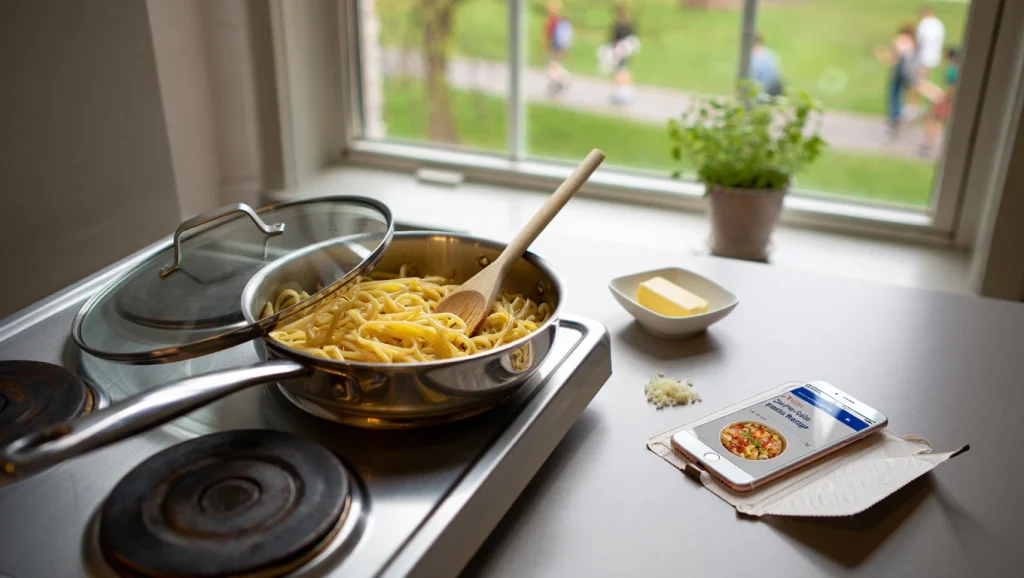
Ingredients:
- 8 oz spaghetti or any pasta shape
- 3 tablespoons butter
- 4 garlic cloves, minced (or 1 tsp garlic powder)
- 2 cups water or chicken broth
- Salt, pepper, and red pepper flakes
- Parmesan cheese (optional but recommended)
Instructions:
- Throw everything except cheese into your pan. Yes, everything at once.
- Bring to a boil, then reduce to medium heat. Stir occasionally for about 10 minutes until pasta is cooked and water mostly absorbed.
- Kill the heat, sprinkle cheese on top, and let it sit for two minutes. The residual heat creates this amazing creamy sauce.
- Season to taste and serve immediately.
Pro Tip: This is your blank canvas recipe. Add frozen vegetables in step one, toss in leftover chicken, or keep it simple. Works perfectly every single time and tastes way more expensive than it actually is.
2. Microwave Mug Scrambled Eggs
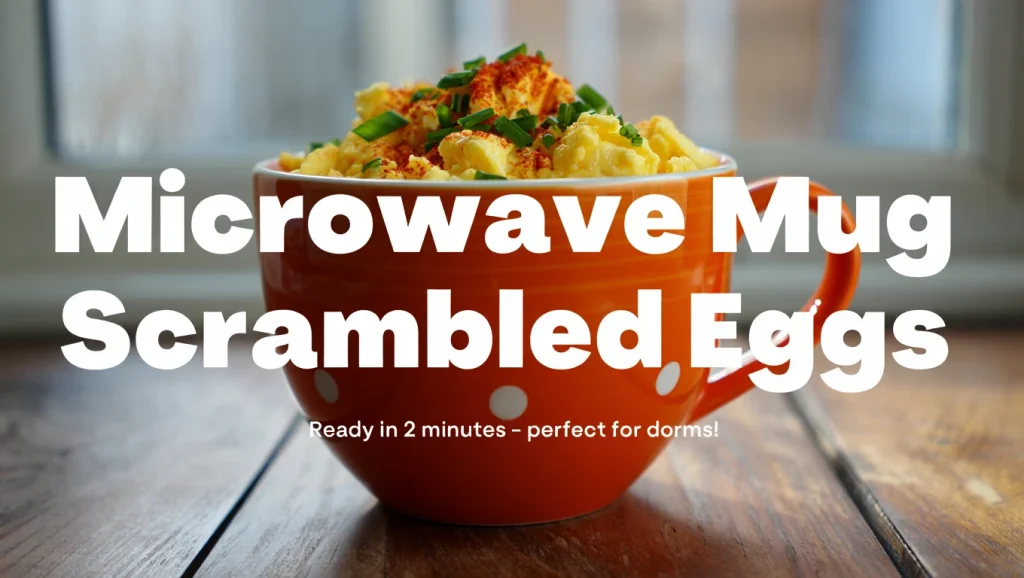
Time: 3 minutes | Cost per serving: $1.00
Ingredients:
- 2 large eggs
- 2 tablespoons milk
- Shredded cheese
- Salt and pepper
- Optional: diced vegetables, cooked bacon bits
Instructions:
Pro Tip: The eggs will puff up dramatically in the microwave then deflate. This is normal. Make sure your mug is large enough to handle the expansion without creating a microwave disaster.
- Crack eggs into a microwave-safe mug. Add milk, cheese, and seasonings.
- Whisk with a fork until completely combined.
- Microwave for 45 seconds, stir, then microwave for another 30-45 seconds until just set.
- Let sit for 30 seconds (they’ll finish cooking with residual heat).
3. Sheet Pan Quesadillas
Time: 12 minutes | Cost per serving: $2.00
This is your answer to “I need real food but I’m exhausted” nights. Layer tortillas on a baking sheet, pile on cheese and whatever’s in your fridge, then bake until everything melts together. Cut into triangles and pretend you’re at a restaurant. For maximum efficiency, check out our easy chicken bites that work perfectly as quesadilla filling.
Ingredients:
- 4 large flour tortillas
- 2 cups shredded cheese (whatever’s on sale)
- 1 can black beans, drained
- 1 cup salsa
- Sour cream for serving
Instructions:
- Preheat oven to 425°F. Place two tortillas on a baking sheet.
- Spread beans and cheese on tortillas, drizzle with salsa.
- Top with remaining tortillas and press down gently.
- Bake for 8-10 minutes until cheese melts and tortillas crisp up.
- Cut into wedges and serve with sour cream.
4. Instant Ramen Upgrade
Time: 7 minutes | Cost per serving: $1.50
Transform that 25-cent ramen packet into something you’d actually want to eat. Cook the noodles, drain most of the water, then stir in an egg, frozen vegetables, and a splash of soy sauce. Suddenly you’ve got a meal that’s actually satisfying instead of just emergency carbs.
5. Three-Ingredient Peanut Butter Cookies
Time: 12 minutes | Cost per serving: $0.50
Mix one cup peanut butter, one cup sugar, and one egg. Roll into balls, flatten with a fork, bake at 350°F for ten minutes. These are perfect for stress-baking during finals week when you need cookies but can’t handle complicated recipes.
6. Loaded Baked Sweet Potato
Time: 10 minutes (microwave) | Cost per serving: $2.00
Poke a sweet potato several times with a fork, microwave for 8-10 minutes until soft. Split it open and pile on black beans, cheese, salsa, and whatever else sounds good. This is genuinely nutritious and filling enough to power you through afternoon classes.
7. Breakfast Fried Rice
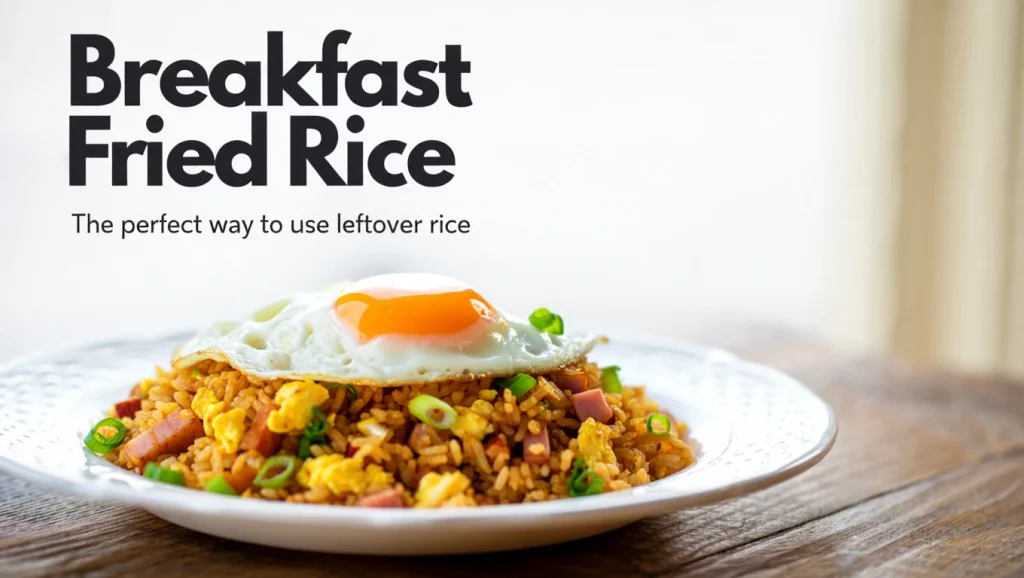
Time: 10 minutes | Cost per serving: $2.50
Use leftover rice (or microwave rice packets), scramble an egg in your pan, add the rice, frozen vegetables, soy sauce, and whatever protein you have. This works for literally any meal and uses up leftovers like a champion. Need more inspiration? Our collection of lazy dinner ideas includes several variations on this theme.
8. English Muffin Pizzas
Time: 8 minutes | Cost per serving: $1.50
Split English muffins, spread with tomato sauce or pizza sauce, add cheese and toppings, then broil for five minutes. These are perfect for quick breakfast pizzas when you need something portable between classes. Make six at once and refrigerate them for grab-and-go meals all week.
9. Tuna Melt Quesadilla
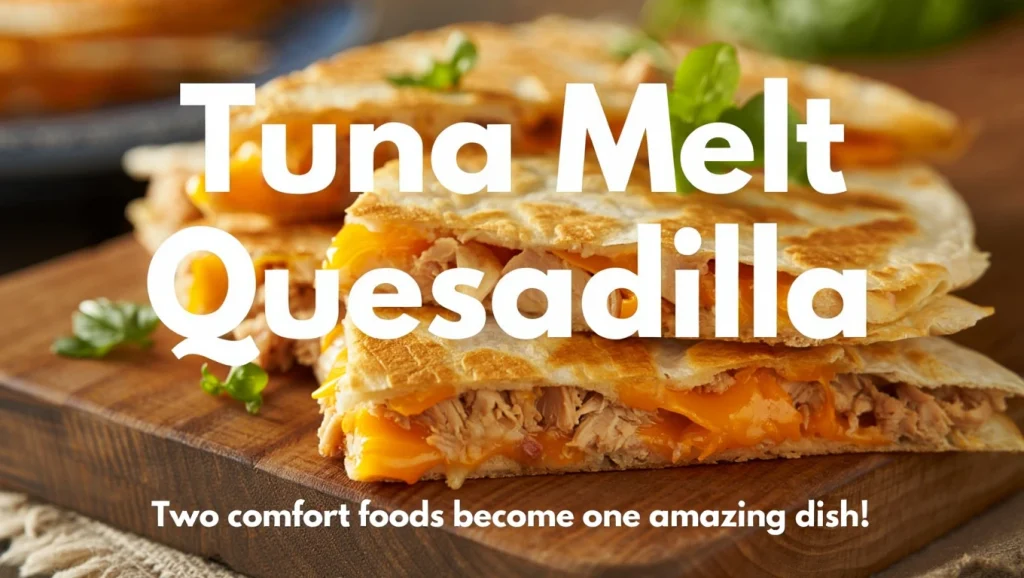
Time: 5 minutes | Cost per serving: $2.00
Mix canned tuna with mayo and seasonings. Spread on a tortilla, add cheese, fold in half, and cook in a pan until crispy. This hits that comfort food spot when you’re craving something warm and melty but your budget says no to delivery.
10. Veggie Stir-Fry with Frozen Vegetables
Time: 12 minutes | Cost per serving: $3.00
Heat oil in a pan, dump in a bag of frozen stir-fry vegetables, add soy sauce and garlic. Serve over instant rice. You can level this up by following our guide for simple stir-fry dinners that explain the technique better than any cookbook.
11. Overnight Oats (No Cooking Required)
Time: 5 minutes prep | Cost per serving: $1.00
Mix oats, milk, yogurt, and whatever sweetener you prefer in a jar. Refrigerate overnight. Wake up to breakfast that’s already made. Add fruit, nuts, or chocolate chips before eating. This is your answer to “I have zero time in the morning” problems.
12. Grilled Cheese with Tomato Soup

Time: 10 minutes | Cost per serving: $2.50
Butter bread, add cheese, cook in a pan until golden and melty. Heat canned tomato soup. This is peak comfort food that takes minimal effort and tastes like someone actually cares about you.
13. Pasta Aglio e Olio (Garlic and Oil Pasta)
Time: 15 minutes | Cost per serving: $1.50
Cook pasta. In another pan, heat olive oil with tons of garlic and red pepper flakes. Toss the drained pasta in the garlic oil. That’s literally it, and it’s somehow one of the most satisfying dinners you can make.
14. Breakfast Burrito Bowl
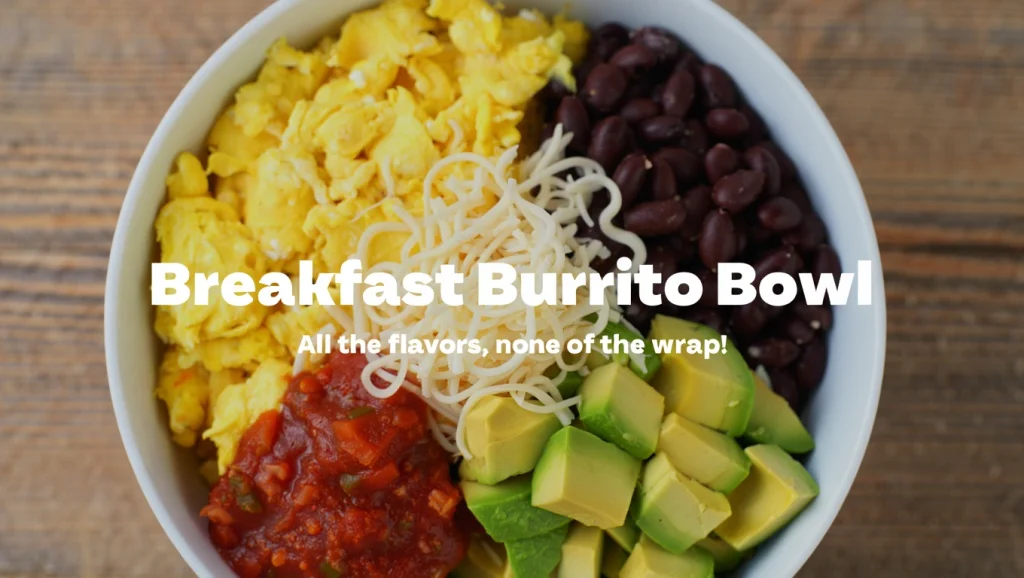
Time: 10 minutes | Cost per serving: $3.00
Scramble eggs, heat canned black beans, add salsa and cheese. Eat it with tortilla chips or wrap it in a tortilla if you’re feeling ambitious. This has enough protein to actually keep you full through your morning classes.
15. One-Pan Sausage and Peppers
Time: 20 minutes | Cost per serving: $4.00
Slice sausage and bell peppers. Cook everything in one pan with olive oil, garlic, and Italian seasoning. Serve over rice or with bread for soaking up the juices. This is your “I want real food that looks like I have my life together” meal.
Meal Prep Strategies for Busy Students
Here’s something nobody tells you about meal prep: you don’t need to spend your entire Sunday cooking like you’re preparing for the apocalypse. The secret is batching just a few components that work in multiple meals.
The Three-Component System:
Pick one protein source (like a rotisserie chicken or ground beef), one carb base (rice, pasta, or sweet potatoes), and one vegetable option. Cook all three on Sunday, then mix and match throughout the week. Suddenly you have fifteen different meal combinations from three simple items.
For example, shredded chicken from a rotisserie bird becomes: quesadillas on Monday, chicken fried rice on Tuesday, pasta with chicken on Wednesday, and chicken salad wraps on Thursday. Same chicken, completely different meals, zero additional cooking.
The Breakfast Power Move:
Make a batch of weekend pancake batches or breakfast burritos on Sunday. Wrap individually, freeze them, and microwave one each morning. You’ve just solved breakfast for two weeks with thirty minutes of work.
The Emergency Meal Stash:
Keep three ingredients in your pantry at all times: pasta, canned tomatoes, and whatever protein you can afford (tuna, beans, or frozen chicken). These three things can become at least five different meals when you’re too broke or busy for grocery shopping.
Budget-Friendly Shopping Tips
Your grocery budget doesn’t have to choose between eating well and making rent. Here’s how actual college students make their money stretch:
The Strategic Shopping List:
Buy ingredients that work in multiple recipes instead of specialized items you’ll use once. Eggs, rice, pasta, frozen vegetables, and whatever protein is on sale become the foundation of dozens of different meals. Skip the fancy ingredients recipes claim you “must have” and use what’s already in your cabinet.
Store Brand Everything:
Real talk: nobody can tell the difference between name-brand pasta and store brand. Same goes for rice, canned goods, and frozen vegetables. Save the splurge for things that actually taste different, like cheese or olive oil.
The Sales-First Method:
Check weekly ads before making your grocery list. Plan meals around what’s discounted instead of deciding what you want to eat first. This single strategy saves students an average of thirty to forty percent on groceries without eating worse food.
Bulk Buying the Smart Way:
Rice, pasta, and oats in bulk bags cost about half as much per serving as small packages. Same with buying the family pack of chicken and freezing portions. The upfront cost seems higher but your per-meal price drops dramatically.
Common Mistakes to Avoid
Mistake #1: Thinking You Need Fancy Ingredients
That recipe calling for truffle oil and heirloom tomatoes? Ignore it. Great food comes from technique and proper seasoning, not expensive ingredients you’ll never use again. Regular olive oil and whatever tomatoes are on sale work fine.
Mistake #2: Not Seasoning Your Food
Salt and pepper aren’t optional suggestions, they’re what make food actually taste like something. Most college cooking tastes bland because people forget this basic step. Season your food at every stage of cooking, not just at the end.
Mistake #3: Cooking on Too High Heat
Medium heat is your friend. High heat burns things before they cook through and sets off smoke detectors at inconvenient times. Patient cooking on medium heat produces way better results and fewer kitchen disasters.
Mistake #4: Not Reading the Recipe First
Discovering mid-recipe that something needs to marinate for four hours or you need an ingredient you don’t have creates unnecessary stress. Read through once before starting so there are no surprises.
Mistake #5: Overcooking Everything
Pasta should have a slight bite. Eggs continue cooking after you remove them from heat. Vegetables should have some crunch. Learning when to stop cooking improves your food more than any other single skill.
Nutritional Information
Here’s approximate nutritional data for the main recipes (per serving):
| Recipe | Calories | Protein (g) | Carbs (g) | Fat (g) | Fiber (g) |
|---|---|---|---|---|---|
| Garlic Butter Pasta | 420 | 12 | 58 | 15 | 3 |
| Microwave Mug Eggs | 180 | 14 | 3 | 12 | 0 |
| Sheet Pan Quesadillas | 380 | 18 | 42 | 16 | 8 |
| Loaded Sweet Potato | 320 | 12 | 48 | 8 | 10 |
| Breakfast Fried Rice | 350 | 15 | 45 | 12 | 4 |
Storage and Food Safety Tips
Refrigerator Guidelines:
Most cooked meals last three to four days in the fridge when stored properly in airtight containers. Label everything with dates because your future self won’t remember when you cooked that pasta. When in doubt, throw it out—food poisoning during midterms is not worth the risk.
Freezer Strategies:
Cooked rice, pasta dishes, and most proteins freeze beautifully for up to three months. Portion them into single servings before freezing so you can microwave exactly what you need. Skip freezing anything with mayonnaise or fresh vegetables—they get weird textures.
Reheating Without Ruining Everything:
Add a splash of water or broth when reheating rice or pasta to prevent dried-out sadness. Microwave on medium power instead of high for more even heating. Give it a stir halfway through. Your reheated leftovers should taste almost as good as the original meal.
Expert Tips from Real College Students
From Sarah, Senior at State University:
“Invest in good storage containers. I learned this the hard way when my meal prep leaked all over my backpack before an exam. Glass containers cost more upfront but they last forever and don’t get gross like plastic.”
From Marcus, Junior Engineering Student:
“Keep a running grocery list on your phone. Whenever you run out of something or think ‘I should buy that,’ add it immediately. Saves so much money by preventing those random grocery runs where you spend forty dollars on stuff you don’t need.”
From Jenna, Sophomore Living Off-Campus:
“Learn to cook eggs about five different ways. They’re cheap, fast, and high protein. Once you can make scrambled, fried, hard-boiled, and an omelet, you basically never go hungry.”
Healthier Alternatives and Substitutions
Making Recipes Lighter:
- Swap regular pasta for whole grain or chickpea pasta (same taste, more protein and fiber)
- Use Greek yogurt instead of sour cream in most recipes (higher protein, same creamy texture)
- Replace half the cheese with nutritional yeast (cuts calories but keeps that savory flavor)
- Choose brown rice over white when you have time (better nutrients, more filling)
Dietary Restriction Swaps:
- Gluten-free: Use rice, corn tortillas, or gluten-free pasta in any recipe. Most of these recipes work fine with simple swaps.
- Dairy-free: Nutritional yeast, cashew cream, or plant-based cheese alternatives work in most recipes. Coconut milk substitutes well for regular milk in cooking.
- Vegetarian: Black beans, chickpeas, or tofu replace meat in basically everything. Add extra seasonings because plant proteins need more flavor help.
- Vegan: Replace eggs with flax eggs (1 tablespoon ground flaxseed plus 3 tablespoons water per egg). Most recipes adapt with simple swaps.
Serving Suggestions
Make your college meals feel less depressing with these quick upgrades:
The Five-Second Fancy Touch:
Fresh herbs change everything. A handful of cilantro, basil, or parsley from the grocery store lasts a week and makes your food look like you actually tried. Costs about two dollars and elevates literally any dish.
Sauce Game Changers:
Keep hot sauce, soy sauce, sriracha, and ranch dressing in your mini fridge. Any of these can rescue bland food in seconds. Mix hot sauce with butter for an instant upgrade to basically anything.
The Presentation Hack:
Put your food on an actual plate instead of eating from the pan. Sounds dumb, but it genuinely makes meals more satisfying. Use your phone to snap a photo before eating—it tricks your brain into appreciating the food more.
Conclusion
Learning to cook as a college student isn’t about becoming a chef or spending hours in the kitchen. It’s about having reliable recipes that work with your schedule, budget, and stress levels. These fifteen recipes give you a solid foundation for eating real food without sacrificing study time or your bank account.
Start with two or three recipes that sound easiest. Master those, then gradually add more to your rotation. Before you know it, you’ll be that friend everyone asks for cooking advice instead of the person surviving on vending machine food.
The best part? These skills stick with you way beyond college. Future you will thank current you for learning how to feed yourself actual meals instead of treating your body like a garbage disposal for whatever’s cheapest and fastest.
Ready to stop eating like a broke college student stereotype? Try one recipe this week. Leave a comment telling us which one you made and how it turned out. Share this guide with friends who need to level up their cooking game. And subscribe to our newsletter for more realistic recipes that actually work for college life.
Frequently Asked Questions
What are the easiest meals for college students to make?
The absolute easiest meals are one-pan dishes like garlic butter pasta, sheet pan quesadillas, or microwave mug eggs. These require minimal equipment, use common ingredients, and take under fifteen minutes from start to finish. They’re also nearly impossible to mess up, which matters when you’re cooking at midnight between study sessions.
How can college students eat healthy on a budget?
Focus on affordable protein sources like eggs, canned beans, and whatever meat is on sale that week. Buy frozen vegetables instead of fresh since they’re cheaper and won’t go bad before you use them. Plan meals around what’s discounted at your grocery store rather than deciding what you want first. Cooking just two or three times per week and eating leftovers saves way more money than you’d expect.
What kitchen equipment do college students actually need?
You genuinely only need one good nonstick pan, a chef’s knife, cutting board, microwave-safe bowl, and basic measuring tools. Everything else is optional. If your budget allows, an electric kettle and mini rice cooker are game-changers, but you can absolutely survive and eat well without them.
How long do meal-prepped foods last in the fridge?
Most cooked meals stay safe for three to four days when stored properly in airtight containers. Label everything with dates because you won’t remember when you cooked it. Rice and pasta dishes, cooked proteins, and roasted vegetables all fall into this timeframe. If something smells off or looks questionable, toss it—food poisoning isn’t worth the risk.
Can you cook good meals in a dorm room?
Absolutely. Most of these recipes work with just a microwave and a hot plate, which are legal in most dorms. Focus on no-cook options like overnight oats, microwave meals like mug eggs, or simple assemblies like quesadillas. The key is