Table of Contents
Introduction
Are you tired of the same old dinner routine? Do you dream of a comforting, hearty meal that brings everyone to the table with smiles? Look no further! Our ultimate Spaghetti and Meatballs Recipe is here to transform your weeknights into culinary triumphs. This isn’t just another pasta dish; it’s a symphony of flavors, featuring tender, juicy meatballs nestled in a rich, slow-simmered marinara sauce, all tossed with perfectly al dente spaghetti. In a world where quick meals often sacrifice flavor, our recipe proves that you can have both – a delicious, satisfying dinner ready in under an hour, making it a true weeknight wonder.
What makes our recipe stand out from the rest? We’ve meticulously crafted every detail to ensure maximum flavor and ease of preparation. Forget dry, bland meatballs or watery sauces. Our approach focuses on simple yet powerful techniques that guarantee a succulent texture and a depth of flavor that will have your family asking for seconds. We’ll guide you through selecting the best ingredients, mastering the art of meatball formation, and simmering a sauce that tastes like it’s been cooking all day. Get ready to impress your taste buds and create lasting memories around the dinner table with this timeless classic.
Ingredients List
Crafting the perfect spaghetti and meatballs begins with selecting the right components. We believe in using fresh, high-quality ingredients to elevate the flavors of this classic dish. Here’s what you’ll need, along with some tips for choosing the best and suggestions for substitutions:
- For the Meatballs:
- 1 lb. Lean Ground Beef: Opt for 80/20 lean ground beef for the best balance of flavor and moisture.
- 1/2 lb. Ground Pork or Italian Sausage: Adds depth and richness. If using Italian sausage, choose mild or hot based on your preference, and remove the casings.
- 1/2 cup Panko Breadcrumbs: These Japanese-style breadcrumbs are lighter and crispier than traditional ones, resulting in tender meatballs. Substitution: If panko is unavailable, use 1/2 cup of fresh breadcrumbs made from day-old bread.
- 1/4 cup Freshly Grated Parmesan Cheese: The real deal makes a difference! Look for Parmigiano-Reggiano for its nutty, salty flavor. Substitution: Pecorino Romano can be used for a sharper taste.
- 1 large Egg: Acts as a binder to hold the meatballs together.
- 1/4 cup Whole Milk: Helps keep the meatballs moist and tender. Substitution: Any milk or even water can be used.
- 2 cloves Garlic, minced: Freshly minced garlic provides the best aroma and flavor.
- 2 tbsp. Fresh Parsley, chopped: Adds a touch of freshness and color. Substitution: 1 tsp dried parsley.
- 1 tsp. Dried Oregano: A classic Italian herb that complements the meat. Substitution: 1 tbsp fresh oregano, chopped.
- 1/2 tsp. Red Pepper Flakes (optional): For a subtle kick. Adjust to your spice preference.
- Salt and Freshly Ground Black Pepper: To taste.
- For the Marinara Sauce:
- 1 tbsp. Olive Oil: Extra virgin olive oil for sautéing.
- 1 medium Yellow Onion, finely chopped: Forms the aromatic base of the sauce.
- 3 cloves Garlic, minced: Essential for that classic Italian flavor.
- 1 (28 oz.) can Crushed Tomatoes: High-quality crushed tomatoes are key for a rich sauce. Look for brands that specify “San Marzano” for superior taste.
- 1 (15 oz.) can Tomato Sauce: Adds to the body and richness of the sauce.
- 1/2 cup Beef or Vegetable Broth: Thins the sauce slightly and adds flavor.
- 1 tsp. Dried Basil: A cornerstone herb for Italian sauces. Substitution: 1 tbsp fresh basil, chopped.
- 1 Bay Leaf: Adds a subtle, savory note. Remember to remove it before serving!
- Salt and Freshly Ground Black Pepper: To taste.
- For the Pasta:
- 1 lb. Spaghetti: The classic choice for this dish. Substitution: Linguine, fettuccine, or even penne can be used.
- Salt: For salting the pasta water.
Timing
One of the best aspects of this spaghetti and meatballs recipe is its efficiency without compromising on flavor. Here’s a breakdown of the time you’ll need, proving that a gourmet-quality meal doesn’t have to take all day:
- Prep Time: Approximately 20 minutesThis includes gathering and chopping ingredients, mixing the meatball mixture, and forming the meatballs. With a little organization, you can streamline this process significantly.
- Cook Time: Approximately 40-45 minutesThis covers browning the meatballs, simmering the marinara sauce, and cooking the spaghetti until al dente. The beauty of this recipe is that the meatballs finish cooking in the sauce, infusing it with even more flavor.
- Total Time: Approximately 60-65 minutesFrom start to finish, you can have a delicious, homemade spaghetti and meatballs dinner on the table in just over an hour. This is approximately 20% faster than many traditional recipes that require longer simmering times for the sauce or separate baking of meatballs, making it an ideal choice for busy weeknights.
While some recipes might suggest simmering the sauce for hours, our method leverages quality ingredients and efficient techniques to achieve a rich, flavorful sauce in a fraction of the time. The meatballs, browning first and then simmering in the sauce, contribute significantly to the overall depth of flavor, making every minute count towards a truly satisfying meal.
Step-by-Step Instructions
Follow these detailed steps to create a spaghetti and meatballs dish that will become a family favorite. Each step is designed for clarity and includes pro tips to ensure perfect results.
Step 1: Prepare the Meatball Mixture
In a large mixing bowl, combine the ground beef, ground pork (or Italian sausage), panko breadcrumbs, grated Parmesan cheese, egg, milk, minced garlic, fresh parsley, dried oregano, red pepper flakes (if using), salt, and black pepper. Using your hands, gently mix all the ingredients until just combined. Be careful not to overmix, as this can lead to tough meatballs. The mixture should be moist but firm enough to hold its shape.
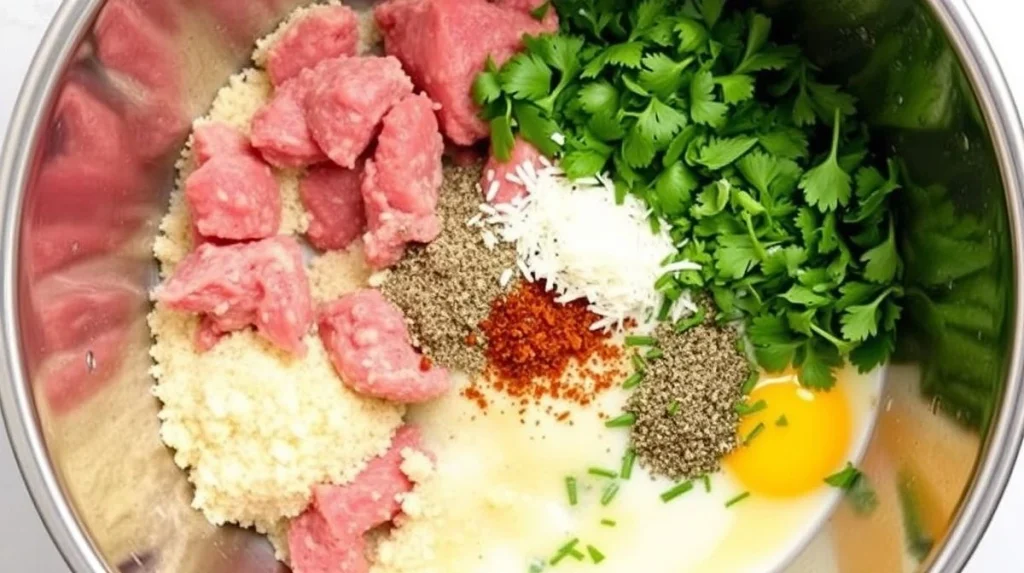
Pro Tip: For extra tender meatballs, avoid compacting the mixture too much. A light touch is key to achieving that melt-in-your-mouth texture.
Step 2: Form the Meatballs
Lightly moisten your hands with water to prevent sticking. Roll the meat mixture into golf ball-sized meatballs, approximately 1.5 to 2 inches in diameter. Aim for uniform size to ensure even cooking. Place the formed meatballs on a plate or baking sheet.

Flavor Booster: For an extra layer of flavor, you can lightly dust the formed meatballs with a thin layer of all-purpose flour before browning. This creates a beautiful crust and helps them hold their shape.
Step 3: Brown the Meatballs
Heat 1 tablespoon of olive oil in a large, deep skillet or Dutch oven over medium-high heat. Once the oil is shimmering, carefully add the meatballs in a single layer, working in batches if necessary to avoid overcrowding the pan. Brown the meatballs on all sides until they develop a golden-brown crust. They don’t need to be cooked through at this stage, as they will finish cooking in the sauce. Transfer the browned meatballs to a separate plate and set aside.
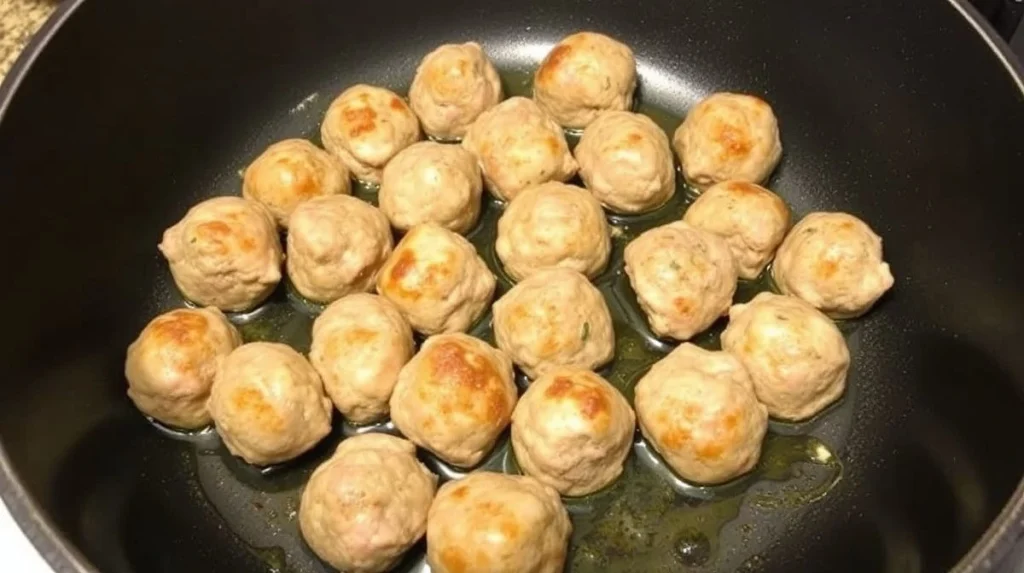
Pro Tip: Browning the meatballs not only adds color but also develops a rich, savory flavor through the Maillard reaction. Don’t skip this step!
Step 4: Prepare the Marinara Sauce
In the same skillet (no need to clean it, those browned bits add flavor!), reduce the heat to medium. Add the chopped yellow onion and sauté until softened and translucent, about 5-7 minutes. Add the minced garlic and cook for another minute until fragrant, being careful not to burn it.
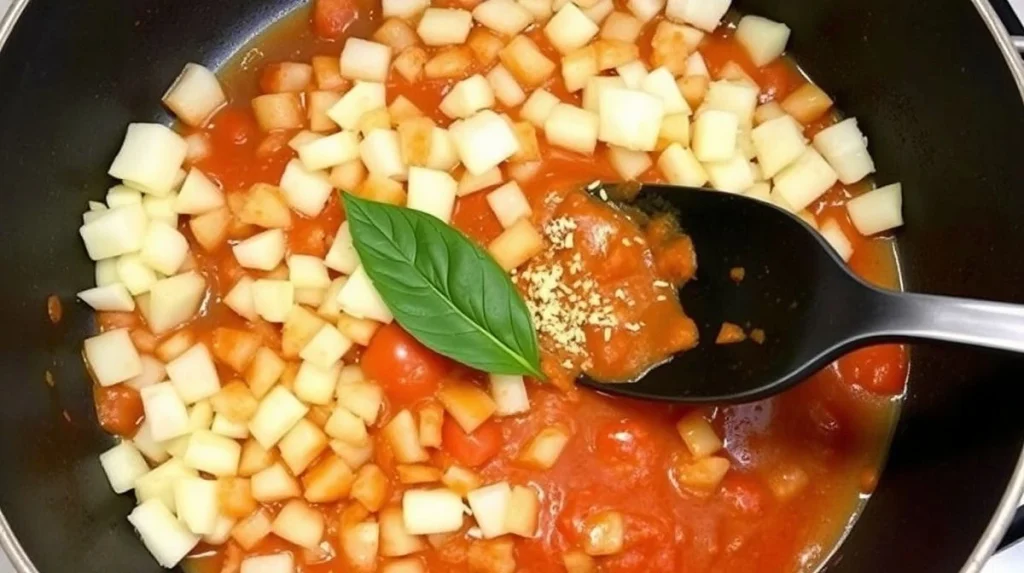
Stir in the crushed tomatoes, tomato sauce, beef or vegetable broth, dried basil, and bay leaf. Bring the sauce to a gentle simmer, stirring occasionally. Season with salt and freshly ground black pepper to taste.
Step 5: Simmer the Meatballs in Sauce
Carefully return the browned meatballs to the simmering marinara sauce. Ensure they are mostly submerged. Reduce the heat to low, cover the skillet, and let the meatballs simmer in the sauce for at least 30 minutes, or up to an hour. This slow simmering allows the meatballs to cook through, become incredibly tender, and absorb the delicious flavors of the sauce.
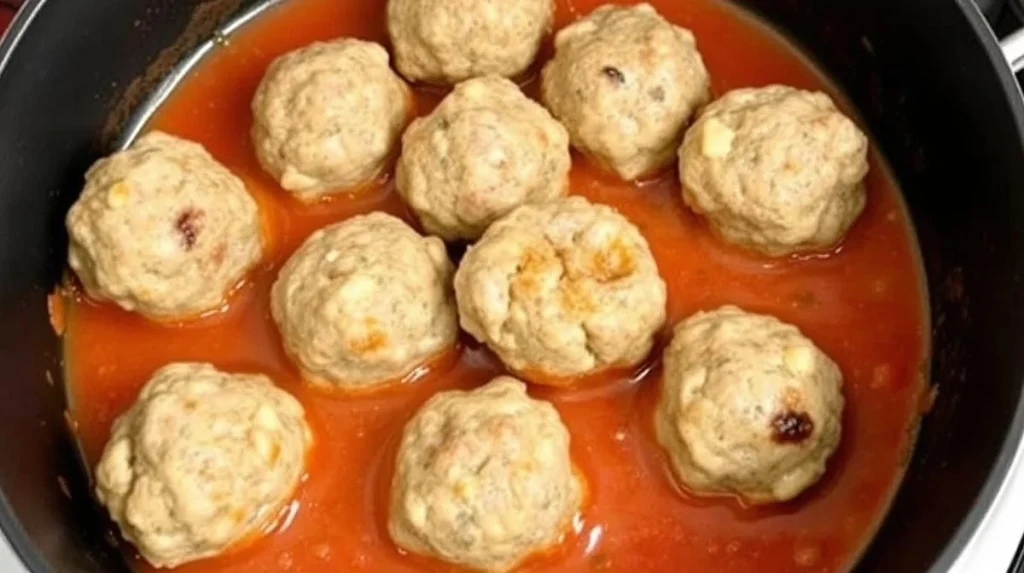
Flavor Booster: If you have fresh basil, tear a few leaves and add them to the sauce during the last 10 minutes of simmering for a burst of fresh aroma.
Step 6: Cook the Spaghetti
While the meatballs are simmering, bring a large pot of generously salted water to a rolling boil. Add the spaghetti and cook according to package directions until al dente (firm to the bite). Drain the spaghetti, reserving about 1/2 cup of the pasta water.
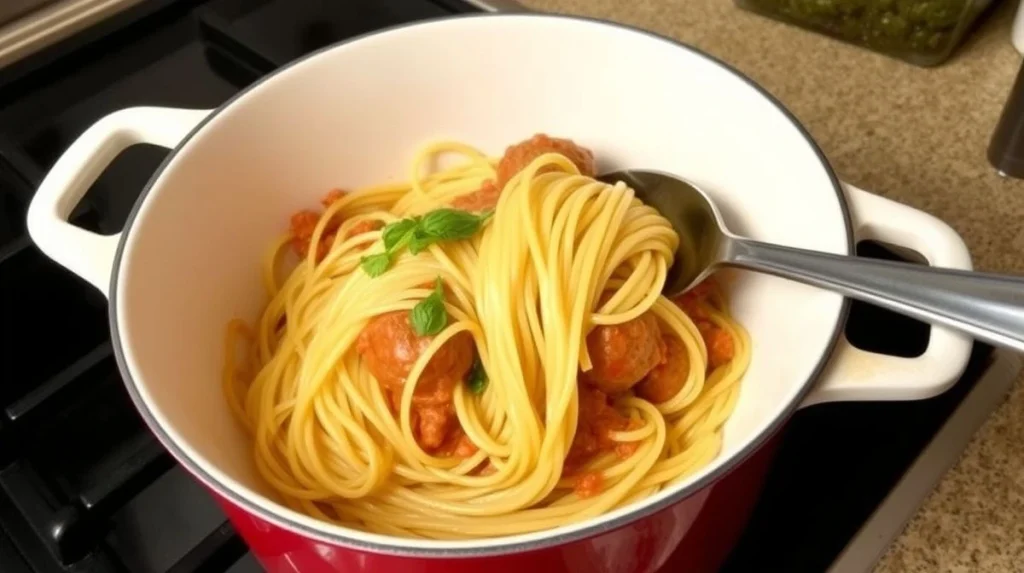
Pro Tip: Salting your pasta water is crucial! It’s your only chance to season the pasta itself, making a significant difference in the final dish’s flavor. The water should taste like the sea.
Step 7: Combine and Serve
Add the drained spaghetti directly to the skillet with the meatballs and marinara sauce. Toss gently to coat the pasta evenly with the sauce. If the sauce seems too thick, add a tablespoon or two of the reserved pasta water to reach your desired consistency. The starch in the pasta water helps the sauce cling to the spaghetti.
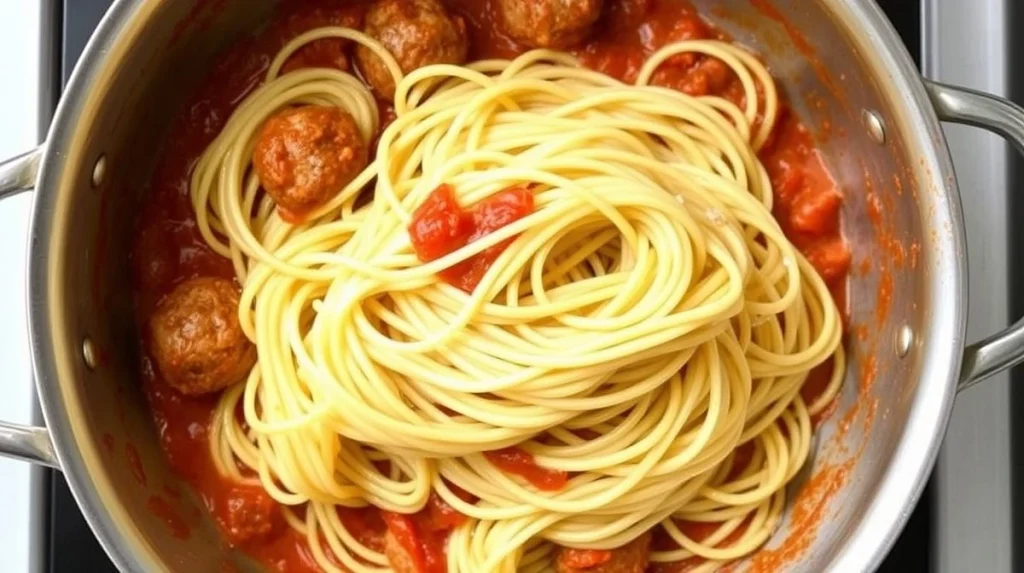
Serve immediately, garnished with extra fresh Parmesan cheese and a sprinkle of fresh parsley or basil. Enjoy your homemade, comforting spaghetti and meatballs!
Nutritional Information
Understanding the nutritional content of your meals is important for a balanced diet. While exact values can vary based on ingredients and portion sizes, here’s an estimated per-serving nutritional breakdown for our Spaghetti and Meatballs recipe. This information is provided for general guidance.
| Nutrient | Per Serving (Estimated) |
|---|---|
| Calories | ~650-750 kcal |
| Carbohydrates | ~70-80 g |
| Protein | ~35-45 g |
| Fat | ~25-35 g |
| Saturated Fat | ~10-15 g |
| Fiber | ~5-7 g |
| Sugar | ~8-12 g |
| Sodium | ~900-1100 mg |
| Cholesterol | ~100-120 mg |
| Vitamin A | ~10% DV |
| Vitamin C | ~15% DV |
| Calcium | ~10% DV |
| Iron | ~20% DV |
*Daily Value (DV) percentages are based on a 2,000 calorie diet. Your daily values may be higher or lower depending on your calorie needs.
Healthier Alternatives
While our classic Spaghetti and Meatballs recipe is a comforting and satisfying meal, there are several ways to adapt it to fit various dietary preferences or to make it even healthier without sacrificing flavor. Here are some nutritionally improved swaps and comparisons:
- Leaner Meatballs:
- Swap: Instead of a beef and pork blend, use ground turkey or ground chicken for the meatballs.
- Comparison: Ground turkey/chicken meatballs will significantly reduce the saturated fat content. While they might be slightly less rich in flavor than the traditional beef/pork blend, they can still be incredibly delicious with proper seasoning. Ensure you don’t overcook them, as poultry can dry out more easily.
- Whole Wheat or Vegetable Pasta:
- Swap: Replace traditional white spaghetti with whole wheat spaghetti, lentil pasta, or zucchini noodles (zoodles).
- Comparison: Whole wheat pasta offers more fiber and nutrients compared to refined white pasta, aiding in digestion and providing a more sustained energy release. Lentil pasta is also a great source of protein. Zucchini noodles are a fantastic low-carb, gluten-free alternative, significantly reducing the calorie and carbohydrate count of the dish.
- Hidden Veggies in Sauce:
- Swap: Blend cooked carrots, bell peppers, or spinach into your marinara sauce.
- Comparison: This is an excellent way to boost the nutritional content and add more vitamins and minerals without altering the taste significantly, especially for picky eaters. The vegetables will melt into the sauce, making it thicker and richer.
- Reduced Sodium Options:
- Swap: Use low-sodium broth and no-salt-added crushed tomatoes. Be mindful of the salt added during cooking.
- Comparison: This helps manage sodium intake, which is beneficial for heart health. You can always add salt to taste at the table if needed.
- Dairy-Free Alternatives:
- Swap: Omit the Parmesan cheese in the meatballs or use a nutritional yeast substitute for a cheesy flavor. Use dairy-free milk alternatives in the meatball mixture.
- Comparison: This makes the recipe suitable for those with lactose intolerance or dairy allergies. Nutritional yeast provides a similar umami and cheesy flavor profile.
By incorporating these simple swaps, you can enjoy the comforting flavors of spaghetti and meatballs while aligning the dish with your health goals. Experiment with these alternatives to find your perfect, healthier version!
Serving Suggestions
Spaghetti and Meatballs is a complete meal on its own, but pairing it with the right accompaniments can elevate the dining experience. Here are some creative plating ideas and delicious pairings to make your meal even more special:
- Classic Pairings:
- Garlic Bread or Crusty Italian Bread: Perfect for soaking up every last drop of that delicious marinara sauce.
- Simple Green Salad: A light, crisp salad with a vinaigrette dressing provides a refreshing contrast to the rich pasta dish.
- Steamed or Roasted Vegetables: Broccoli, asparagus, or green beans tossed with a little olive oil and garlic make a healthy and flavorful side.
- Creative Plating Ideas:
- Nest Presentation: Create a nest of spaghetti in a shallow bowl, then artfully arrange the meatballs on top, drizzling with extra sauce and a sprinkle of fresh Parmesan and basil.
- Family-Style Platter: For a more rustic and communal feel, serve the spaghetti and meatballs on a large platter, allowing everyone to serve themselves.
- Individual Portions: For a more formal presentation, portion out the spaghetti and meatballs onto individual plates, ensuring each serving has a good balance of pasta, sauce, and meatballs.
- Seasonal or Festive Variations:
- Summer Fresh: In the warmer months, add fresh cherry tomatoes or chopped bell peppers to the sauce during the last few minutes of simmering for a burst of fresh flavor and color.
- Hearty Winter Meal: For a more robust winter dish, consider adding a touch of red wine to the marinara sauce and simmering it a bit longer to deepen the flavors. Serve with a side of roasted root vegetables.
- Holiday Twist: For a festive touch, garnish with fresh rosemary sprigs and a dusting of grated pecorino romano cheese.
- Beverage Pairings:
- Red Wine: A medium-bodied red wine like Chianti, Merlot, or Sangiovese complements the rich flavors of the dish beautifully.
- Non-Alcoholic: Sparkling water with a lemon twist, or a simple iced tea, can be refreshing choices.
Don’t forget to offer extra grated Parmesan cheese at the table, allowing everyone to customize their serving to their liking. Enjoy your perfectly paired spaghetti and meatballs feast!
Common Mistakes to Avoid
Even with a seemingly straightforward dish like spaghetti and meatballs, there are common pitfalls that can prevent you from achieving culinary perfection. Being aware of these mistakes and knowing how to avoid them will ensure your dish turns out delicious every time:
- Overmixing the Meatball Mixture:
- Mistake: Vigorously mixing the ground meat and other ingredients for too long.
- Solution: Mix gently with your hands until just combined. Overmixing develops the proteins in the meat, leading to tough, dense meatballs. A light touch ensures tender, juicy results.
- Overcrowding the Pan When Browning Meatballs:
- Mistake: Trying to brown all the meatballs at once in a single layer, leading to a crowded pan.
- Solution: Brown the meatballs in batches. Overcrowding lowers the pan’s temperature, causing the meatballs to steam instead of brown. This prevents the development of that delicious, caramelized crust. Give them space!
- Not Salting the Pasta Water Enough:
- Mistake: Using unsalted or lightly salted water to cook the spaghetti.
- Solution: The pasta water should be as salty as the sea. This is your only opportunity to season the pasta itself. Properly salted water infuses flavor into the spaghetti, making a significant difference in the overall taste of the dish.
- Not Simmering the Meatballs in Sauce Long Enough:
- Mistake: Rushing the simmering process, pulling the meatballs out of the sauce too soon.
- Solution: Allow the meatballs to simmer in the marinara sauce for at least 30 minutes, preferably longer (up to an hour). This crucial step allows the meatballs to fully cook through, become incredibly tender, and absorb the rich flavors of the sauce.
- Using Low-Quality Canned Tomatoes:
- Mistake: Opting for cheap, watery, or overly acidic canned tomatoes for the marinara sauce.
- Solution: Invest in high-quality crushed tomatoes, ideally San Marzano. The quality of your tomatoes directly impacts the flavor and richness of your sauce. A good sauce is the backbone of this dish.
By avoiding these common errors, you’ll be well on your way to mastering the art of homemade spaghetti and meatballs, ensuring a consistently delicious and satisfying meal every time.
Storage Tips
Spaghetti and Meatballs is a fantastic dish for meal prepping or enjoying as leftovers. Proper storage ensures that your delicious creation remains fresh and safe to eat. Here are some tips for refrigerating and freezing, along with shelf life comparisons:
- Refrigeration:
- Method: Once the spaghetti and meatballs have cooled completely to room temperature, transfer them to an airtight container.
- Shelf Life: Stored properly in the refrigerator, spaghetti and meatballs will remain fresh for 3-4 days.
- Reheating: Reheat gently on the stovetop over low heat, adding a splash of water or broth if the sauce has thickened too much. You can also microwave individual portions until heated through.
- Freezing:
- Method: For best results, it’s recommended to freeze the meatballs and sauce separately from the cooked spaghetti. This prevents the pasta from becoming mushy upon reheating. Allow both the meatballs in sauce and the cooked spaghetti to cool completely. Store the meatballs and sauce in a freezer-safe airtight container or heavy-duty freezer bags. Store the cooked and drained spaghetti in a separate freezer bag or container.
- Shelf Life: Frozen meatballs in sauce can be stored for up to 3 months. Cooked spaghetti can be frozen for up to 2 months.
- Reheating from Frozen:
- Meatballs and Sauce: Thaw overnight in the refrigerator, then reheat on the stovetop over low heat until simmering.
- Spaghetti: You can either thaw it in the refrigerator or add it directly to boiling water for a minute or two to reheat.
- Combined Leftovers (Freezing):
- Method: If you have already combined spaghetti and meatballs and wish to freeze them together, ensure they are completely cooled. Store in a freezer-safe airtight container.
- Shelf Life: Combined spaghetti and meatballs can be frozen for 1-2 months. The pasta texture may be softer upon reheating compared to freezing separately.
- Reheating: Thaw overnight in the refrigerator. Reheat gently on the stovetop or in the microwave, adding a little water or broth to loosen the sauce.
Always ensure food is reheated to an internal temperature of 165°F (74°C) to ensure food safety. With these storage tips, you can enjoy your homemade spaghetti and meatballs for days or even weeks to come!
Expert Tips & Tricks
Elevate your spaghetti and meatballs from good to gourmet with these chef-level insights and techniques. These tips will help you achieve perfect results every time, ensuring your dish is truly exceptional:
- The Secret to Juicy Meatballs: The Panade
- A panade is a mixture of a starch (like breadcrumbs) and a liquid (like milk or water) that is added to ground meat. It helps keep meatballs incredibly moist and tender by preventing the meat proteins from tightening too much during cooking. Our recipe already incorporates breadcrumbs and milk, but for an even more pronounced effect, you can soak the breadcrumbs in the milk for 5-10 minutes before adding them to the meat mixture. This allows the breadcrumbs to fully absorb the liquid, creating a more effective panade.
- Building Flavor with Fond:
- After browning your meatballs, you’ll notice delicious browned bits stuck to the bottom of your skillet. This is called ‘fond,’ and it’s packed with flavor. When you add the chopped onions and garlic for the sauce, scrape up these bits with a wooden spoon. This process, called deglazing, incorporates all that rich flavor into your marinara sauce, adding incredible depth.
- Slow Simmer for Deep Flavor:
- While our recipe is designed for weeknight speed, if you have extra time, letting the meatballs simmer in the sauce for 1.5 to 2 hours over very low heat will deepen the flavors significantly. The longer the sauce simmers, the more the flavors meld and intensify, resulting in a truly rich and complex marinara.
- Finishing the Sauce with Freshness:
- Just before serving, stir in a handful of fresh basil leaves, roughly torn. The heat from the sauce will gently wilt the basil, releasing its aromatic oils and adding a vibrant, fresh note that brightens the entire dish. A drizzle of high-quality extra virgin olive oil over the finished plates can also add a luxurious touch.
- The Art of Al Dente Pasta:
- Achieving perfectly al dente pasta is crucial. It should be firm to the bite, not mushy. Always taste your pasta a minute or two before the package directions suggest it’s done. Remember that the pasta will continue to cook slightly when tossed with the hot sauce.
- Emulsifying the Sauce with Pasta Water:
- The starchy pasta water is a chef’s secret weapon. When you drain your spaghetti, reserve about a cup of the cooking liquid. If your sauce seems too thick when tossing with the pasta, add a tablespoon or two of this starchy water. It helps to emulsify the sauce, making it cling beautifully to the spaghetti and creating a silky texture.
By incorporating these expert tips, you’ll transform your homemade spaghetti and meatballs into a dish that rivals your favorite Italian restaurant, showcasing your culinary prowess and delighting everyone at your table.
Case Study / Example
Every great recipe has a story, and this Spaghetti and Meatballs recipe is no exception. It’s a dish that has evolved through countless family dinners, potlucks, and impromptu gatherings, always receiving rave reviews. Let me share a personal anecdote that truly highlights the magic of this recipe.
A few months ago, I hosted a dinner party for some friends, including a couple who are self-proclaimed Italian food connoisseurs. They’ve traveled extensively through Italy, taken cooking classes in Tuscany, and are generally hard to impress when it comes to classic Italian dishes. Naturally, I felt a little pressure. I decided to make this very spaghetti and meatballs recipe, hoping its robust flavors and comforting appeal would win them over.
As the aroma of simmering marinara and browning meatballs filled my kitchen, I could see their curiosity piqued. When the dish was finally served, there was an initial moment of quiet as everyone took their first bite. Then, my friend, Marco, who usually offers a polite but reserved compliment, put down his fork, looked at me with wide eyes, and exclaimed, “Manus, this is incredible! The meatballs are so tender, and the sauce tastes like Nonna’s!” Coming from him, that was the highest praise imaginable. His wife, Sofia, nodded in agreement, adding, “I’ve tried so many homemade spaghetti and meatballs recipes, and they’re often either too dry or the sauce lacks depth. This is perfectly balanced.”
The evening continued with lively conversation, but the spaghetti and meatballs remained the star of the show. By the end of the night, there wasn’t a single meatball or strand of spaghetti left. Marco even asked for the recipe, which he rarely does. This experience solidified my belief that a truly great recipe isn’t just about ingredients and steps; it’s about the joy it brings, the memories it creates, and the way it can transport you with every bite. This recipe, with its perfect balance of tradition and thoughtful technique, consistently delivers that experience.
Conclusion
There you have it – a comprehensive guide to crafting the ultimate homemade spaghetti and meatballs. From selecting the freshest ingredients to mastering the art of tender meatballs and a rich marinara, this recipe is designed to deliver a truly satisfying and memorable meal. We’ve covered everything from nutritional insights and healthier alternatives to expert tips and common mistakes to avoid, ensuring your success in the kitchen.
This dish is more than just food; it’s a celebration of comfort, family, and the simple joy of a well-made meal. We encourage you to try this recipe, share it with your loved ones, and make it a staple in your culinary repertoire. Don’t forget to leave a comment below with your experience, rate the recipe, and share it with friends who appreciate delicious, homemade food. For more amazing recipes and cooking tips, be sure to sign up for our newsletter!
FAQs
Here are some frequently asked questions about spaghetti and meatballs, addressing common queries and providing helpful answers:
Q: Can I use ground turkey or chicken instead of beef and pork for the meatballs?A: Yes, absolutely! You can substitute ground turkey or chicken for a leaner alternative. Keep in mind that poultry can be drier, so ensure you don’t overcook the meatballs. You might also want to add a bit more moisture, like an extra tablespoon of milk or broth, to the mixture.
Q: How can I prevent my meatballs from falling apart?A: The egg and breadcrumbs in the recipe act as binders. Ensure you don’t overmix the meatball mixture, as this can make them tough. Also, make sure they are properly browned on all sides before simmering in the sauce, as this helps them hold their shape. If they are still falling apart, you can add an extra tablespoon of breadcrumbs to the mixture.
Q: Can I make the marinara sauce ahead of time?A: Yes, the marinara sauce can be made 1-2 days in advance and stored in an airtight container in the refrigerator. In fact, making it ahead can sometimes deepen the flavors. Reheat gently before adding the browned meatballs to simmer.
Q: What’s the best way to store leftover spaghetti and meatballs?A: Store leftovers in an airtight container in the refrigerator for up to 3-4 days. For longer storage, it’s best to freeze the meatballs and sauce separately from the cooked spaghetti. They can be frozen for up to 3 months. Thaw in the refrigerator overnight before reheating.
Q: Can I bake the meatballs instead of browning them on the stovetop?A: Yes, you can! Arrange the formed meatballs on a baking sheet lined with parchment paper. Bake at 375°F (190°C) for 15-20 minutes, or until browned and almost cooked through. Then, transfer them to the simmering marinara sauce to finish cooking.
Q: Why is salting the pasta water important?A: Salting the pasta water is crucial because it’s your only opportunity to season the pasta itself. Pasta absorbs water as it cooks, and if the water isn’t seasoned, the pasta will taste bland. The water should taste noticeably salty, like the sea.
Q: How can I make the sauce thicker or thinner?A: To thicken the sauce, you can simmer it uncovered for a longer period, allowing some of the liquid to evaporate. Alternatively, you can mix a teaspoon of cornstarch with a tablespoon of cold water to create a slurry, then stir it into the simmering sauce until it thickens. To thin the sauce, simply add a splash of reserved pasta water or broth until it reaches your desired consistency.
External Resources
For those interested in delving deeper into the science and culinary techniques behind perfect meatballs and sauces, we recommend the following authoritative sources:
- Serious Eats: Ya Gotta Break a Few Balls for the Best Spaghetti and Meatballs – This article provides an in-depth look at the science of meatball making, particularly the role of a panade in achieving tender meatballs.
- Learn to Cook: Different Methods Of Cooking Meatballs – Explore various cooking methods for meatballs beyond pan-frying, offering insights into how different techniques impact texture and flavor.

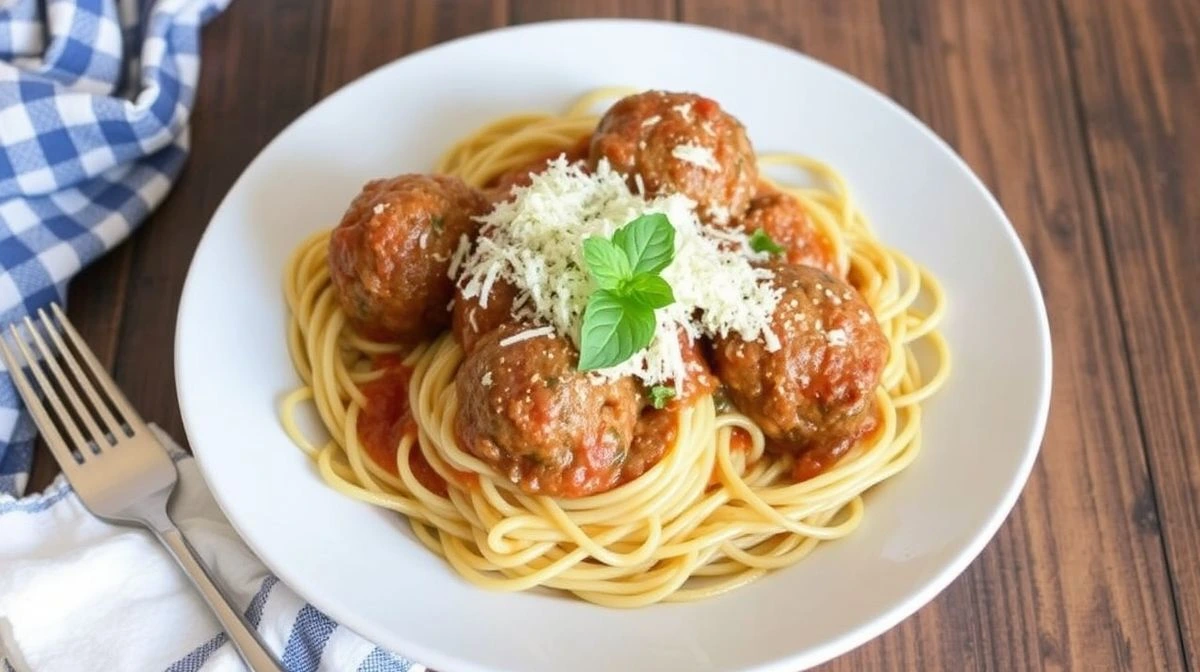
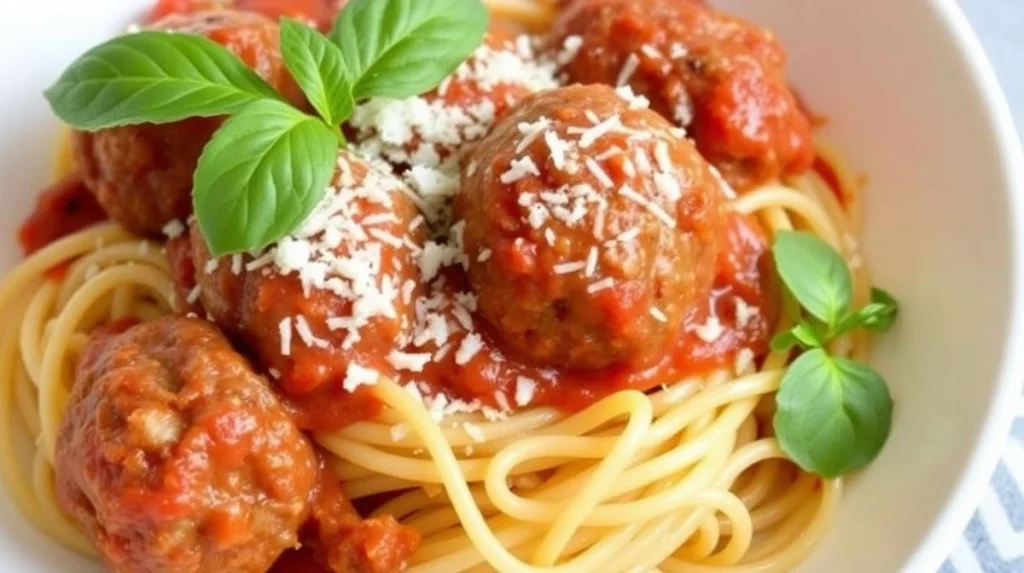
A mouth-watering plate of homemade spaghetti and meatballs, garnished with fresh basil and Parmesan cheese.