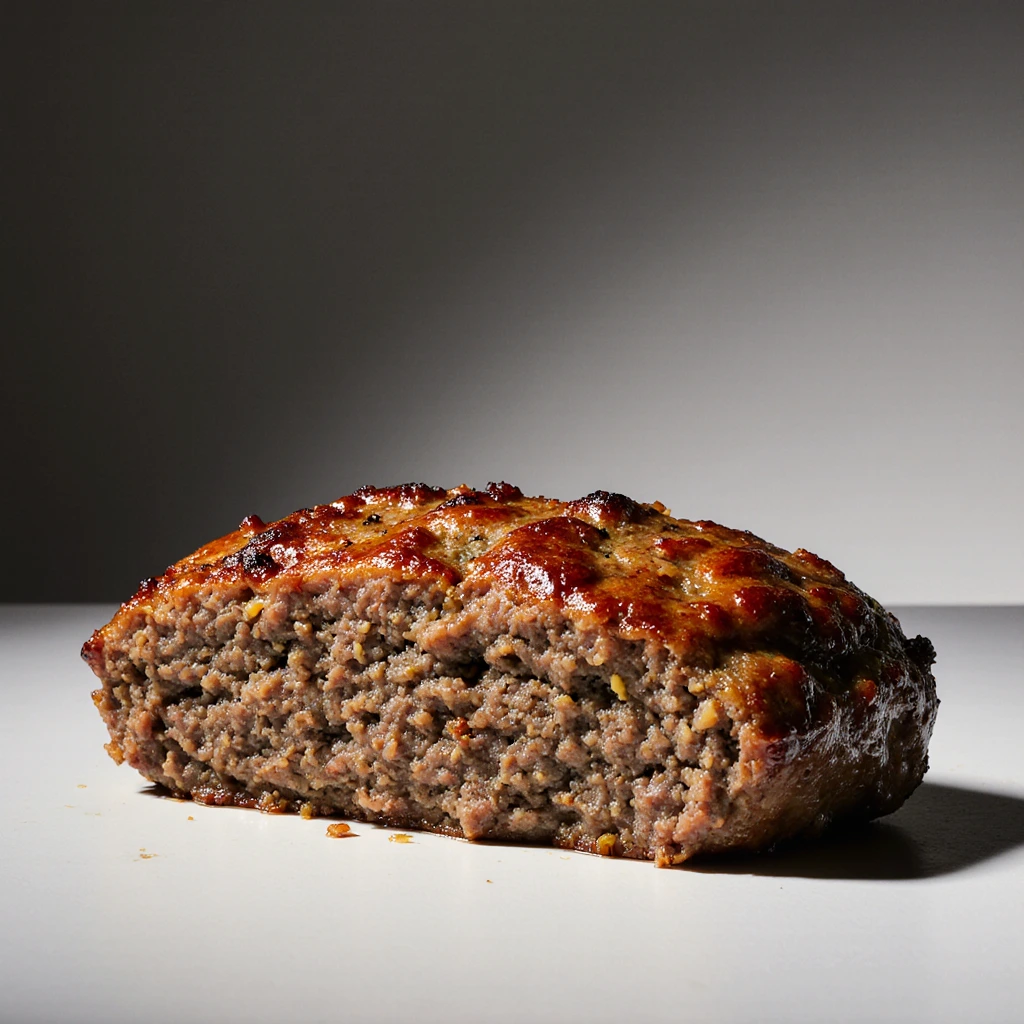
Table of Contents
Introduction
Are you tired of dry, crumbly meatloaf that tastes more like a brick than a culinary delight? Many home cooks struggle to achieve that perfect balance of juicy tenderness and rich flavor in their Meatloaf Recipe. It’s a common misconception that a truly delicious meatloaf requires hours of preparation and cooking, often leading to overcooked, bland results. But what if we told you that a truly juicy and flavor-packed meatloaf could be on your dinner table in just 60 minutes?
This article will challenge that notion, providing you with a streamlined, yet incredibly effective, approach to crafting a classic meatloaf that will become a family favorite. Get ready to transform your meatloaf experience and discover the secrets to a moist, savory, and utterly satisfying dish that defies expectations.
Ingredients List
To create a meatloaf that’s both juicy and bursting with flavor, selecting the right ingredients is paramount. Here’s a comprehensive list of what you’ll need, along with some suggestions for substitutions to cater to various preferences and dietary needs:
•Ground Beef (80/20 blend): 1.5 lbs. The fat content is crucial for a moist meatloaf. Leaner meats can result in a dry texture. Substitution: For a slightly healthier option, you can use a 90/10 blend, but consider adding a tablespoon of olive oil or a bit more moisture (like extra milk or broth) to compensate for the reduced fat. Ground turkey or chicken can also be used, but they will significantly alter the flavor and texture, requiring more seasoning and moisture.
•Breadcrumbs (Plain or Panko): 1/2 cup. These act as a binder and help retain moisture. Substitution: Crushed crackers, rolled oats (quick-cooking, not instant), or even finely ground flaxseed meal can be used. For a gluten-free option, use gluten-free breadcrumbs or almond flour.
•Milk: 1/4 cup. Adds moisture and helps create a tender crumb. Substitution: Beef broth, vegetable broth, or even water can be used.
•Egg: 1 large. A crucial binder that holds the meatloaf together. Substitution: For an egg-free option, a ‘flax egg’ (1 tablespoon ground flaxseed mixed with 3 tablespoons water, let sit for 5 minutes) can work, though the texture might be slightly different.
•Onion: 1/2 cup, finely chopped. Adds essential flavor and moisture. For a unique twist, you might also consider trying a meatloaf recipe with Lipton onion soup for added depth of flavor. Substitution: Onion powder (1 teaspoon) can be used in a pinch, but fresh onion provides a superior flavor and texture.
•Garlic: 2 cloves, minced. Enhances the savory profile. Substitution: 1/2 teaspoon garlic powder.
•Ketchup: 1/2 cup, divided (1/4 cup for the mix, 1/4 cup for the glaze). Provides tanginess and a classic meatloaf flavor. Substitution: Tomato paste thinned with a little water or beef broth, or even BBQ sauce for a different flavor profile.
•Worcestershire Sauce: 1 tablespoon. Adds depth and umami. Substitution: Soy sauce or a dash of balsamic vinegar can offer a similar savory note.
•Mustard (Dijon or Yellow): 1 teaspoon. A subtle flavor enhancer. Substitution: Omit if preferred, or use a pinch of mustard powder.
•Salt: 1 teaspoon. Essential for seasoning.
•Black Pepper: 1/2 teaspoon. For a touch of spice.
•Dried Herbs (e.g., Italian seasoning, oregano, thyme): 1 teaspoon. Adds aromatic complexity. Substitution: Fresh herbs (1 tablespoon, finely chopped) can be used for a brighter flavor.
Each ingredient plays a vital role in achieving the perfect Meatloaf Recipe. Don’t be afraid to experiment with substitutions to tailor the recipe to your taste and what you have on hand, but always consider how changes might affect the moisture and binding of the loaf. For more inspiration on using ground beef in different ways, check out this cheesy hamburger potato soup recipe.
Timing
One of the most appealing aspects of this Meatloaf Recipe is its efficiency. We understand that in today’s fast-paced world, time is a precious commodity in the kitchen. This recipe is designed to deliver a delicious, home-cooked meal without demanding hours of your day. Here’s a breakdown of the timing:
•Preparation Time: Approximately 15 minutes. This includes chopping the onion and garlic, gathering all your ingredients, and mixing them together. The key to keeping this time low is having all your ingredients prepped and ready to go (mise en place).
•Cooking Time: Approximately 45 minutes. This assumes a standard loaf pan and an oven preheated to 350°F (175°C). The exact cooking time can vary slightly depending on your oven and the thickness of your meatloaf. A meat thermometer inserted into the center should read 160°F (71°C) for a perfectly cooked, safe-to-eat meatloaf.
•Resting Time: 5-10 minutes. This crucial step is often overlooked but is vital for a juicy meatloaf. Resting allows the juices to redistribute throughout the loaf, preventing them from escaping when you slice into it. Skipping this step can lead to a dry, crumbly result.
Total Time: Approximately 60-70 minutes.
This total time of around 60-70 minutes is remarkably efficient for a dish of this caliber. To put this into perspective, many traditional meatloaf recipes can take upwards of 90 minutes or even two hours from start to finish. Our optimized approach shaves off a significant amount of time, making it a perfect weeknight meal option.
This means you can enjoy a hearty, flavorful dinner that tastes like it took all day, but only required about an hour of your time. This is approximately 20-30% less time than the average meatloaf recipe, allowing you to reclaim valuable time without compromising on taste or quality. If you’re looking for more quick dinner ideas, be sure to explore our collection of 21 lazy dinner ideas for busy weeknights.
Step-by-Step Instructions
Crafting the perfect Meatloaf Recipe is a straightforward process when you follow these clear, easy-to-understand steps. Each instruction is designed to guide you to a juicy, flavorful result, with personalized tips to make your cooking experience even more rewarding. Many professional chefs, including those featured in The Best Meatloaf Recipe by Natasha’s Kitchen, emphasize the importance of gentle mixing and proper resting time.
Step 1: Prepare Your Oven and Loaf Pan
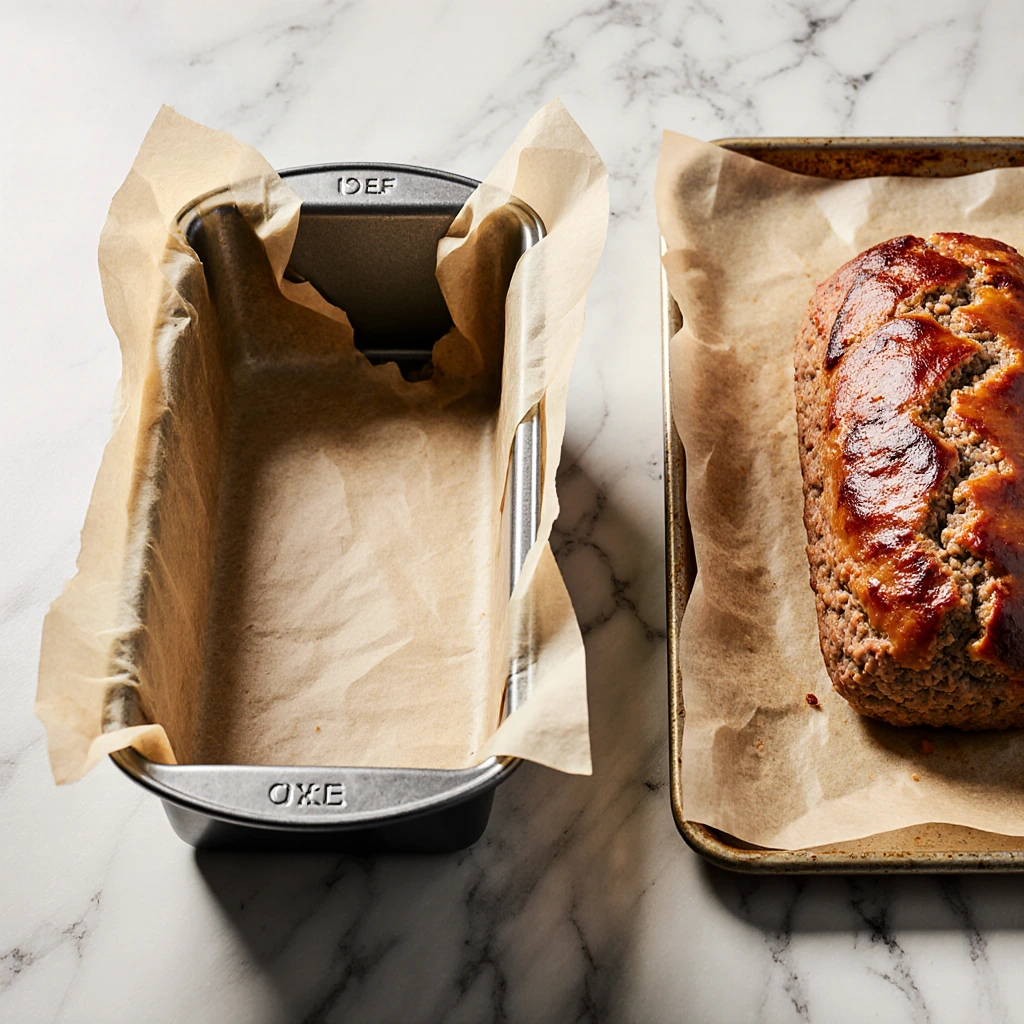
Preheat your oven to 350°F (175°C). Lightly grease a standard loaf pan (9×5 inches) or line it with parchment paper, leaving an overhang on the sides. This overhang will make it easier to lift the cooked meatloaf out of the pan later. Personalized Tip: If you prefer a crispier exterior, you can form the meatloaf into a free-form loaf on a baking sheet lined with parchment paper instead of using a loaf pan. This allows for more surface area to brown.
Step 2: Sauté Aromatics (Optional, but Recommended)
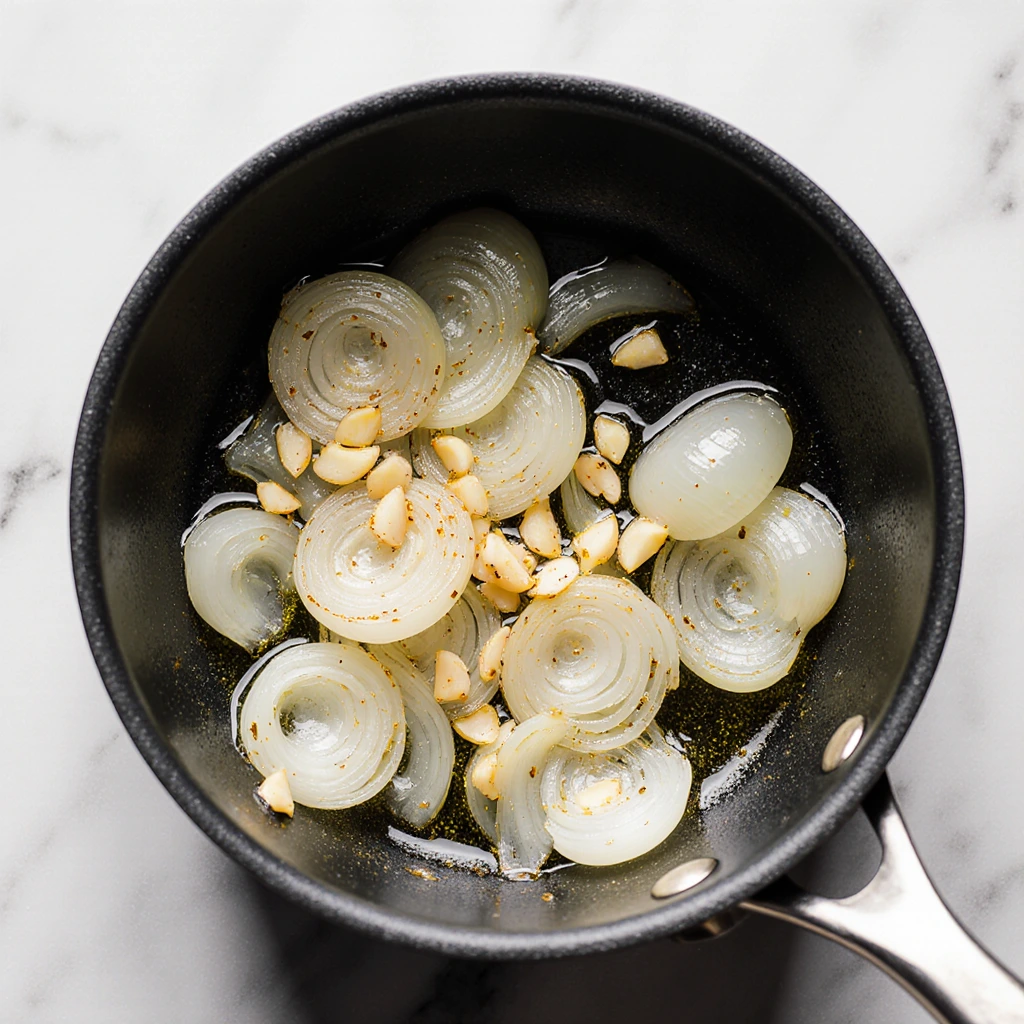
In a small skillet over medium heat, add a tablespoon of olive oil. Sauté the finely chopped onion until softened and translucent, about 5-7 minutes. Add the minced garlic and cook for another minute until fragrant. Allow to cool slightly. Personalized Tip: Sautéing the onion and garlic mellows their flavor and ensures they are tender in the final meatloaf, preventing any raw crunch. This small step makes a big difference in the overall texture and taste.
Step 3: Combine Ingredients
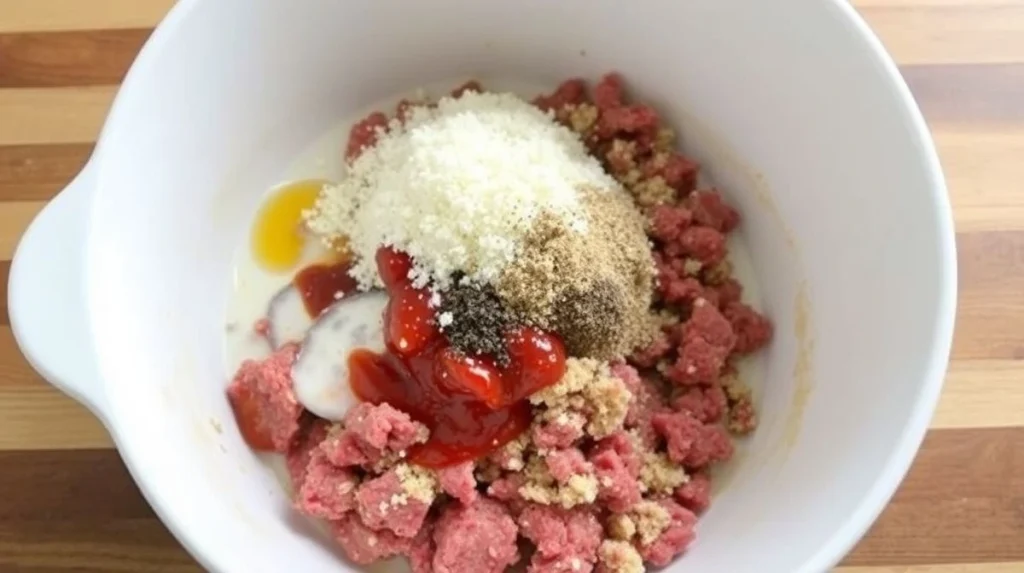
In a large mixing bowl, gently combine the ground beef, breadcrumbs, milk, egg, sautéed (or raw) onion and garlic, 1/4 cup of ketchup, Worcestershire sauce, mustard, salt, black pepper, and dried herbs. Personalized Tip: The key here is to mix gently! Overmixing can lead to a dense, tough meatloaf. Use your hands and mix just until all ingredients are incorporated. Think of it like mixing cookie dough – you want to avoid overworking the gluten.
Step 4: Form the Loaf
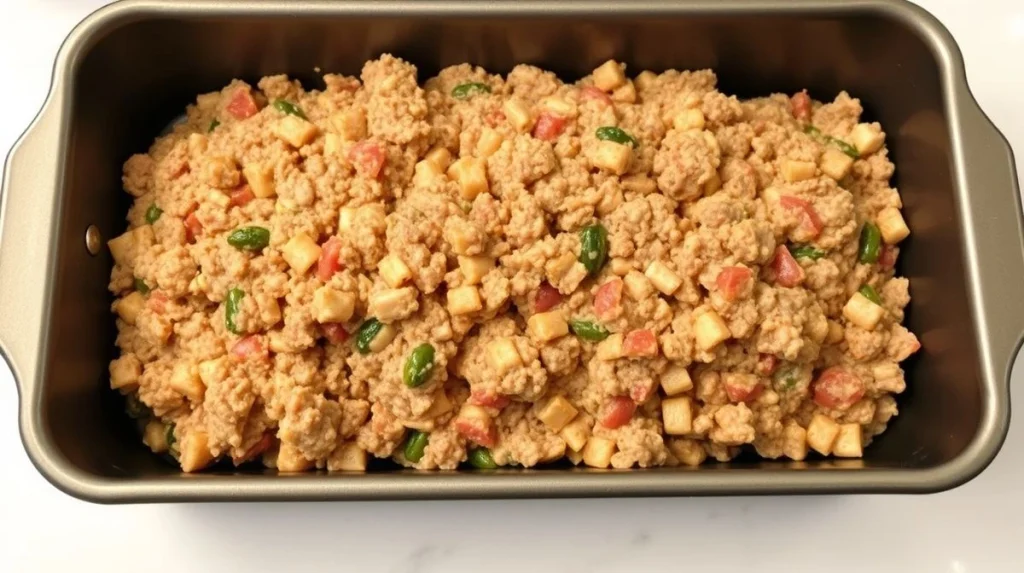
Transfer the meat mixture to the prepared loaf pan. Press it evenly into the pan, ensuring there are no air pockets. Smooth the top. Personalized Tip: For a more uniform loaf and easier slicing, you can slightly mound the center of the loaf. This helps prevent the edges from overcooking while the center finishes.
Step 5: Apply the Glaze
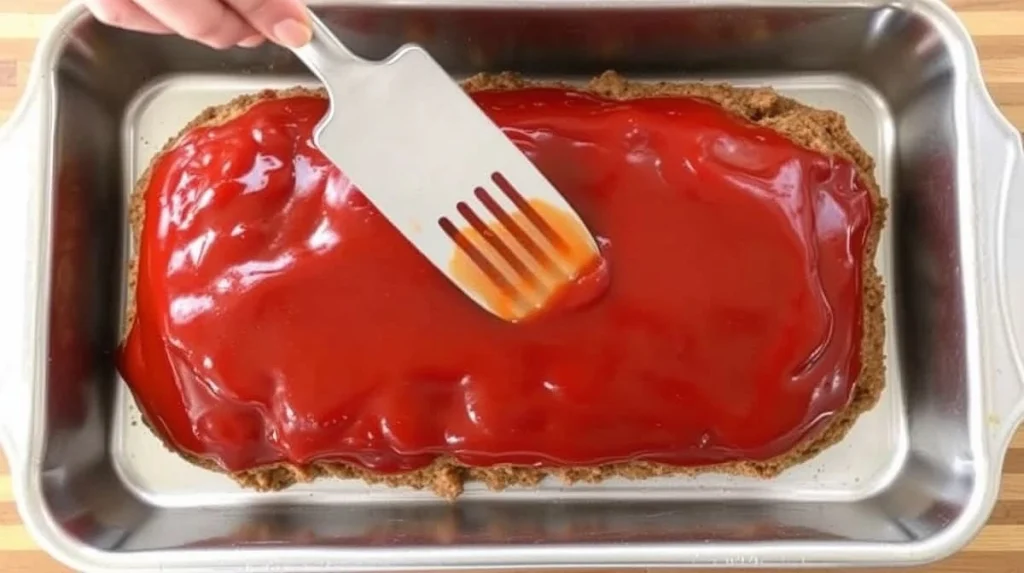
Spread the remaining 1/4 cup of ketchup evenly over the top of the meatloaf. This glaze will caramelize during baking, adding a tangy and slightly sweet crust. Personalized Tip: Get creative with your glaze! You can mix a teaspoon of brown sugar, a dash of apple cider vinegar, or even a pinch of smoked paprika into the ketchup for an extra layer of flavor.
Step 6: Bake
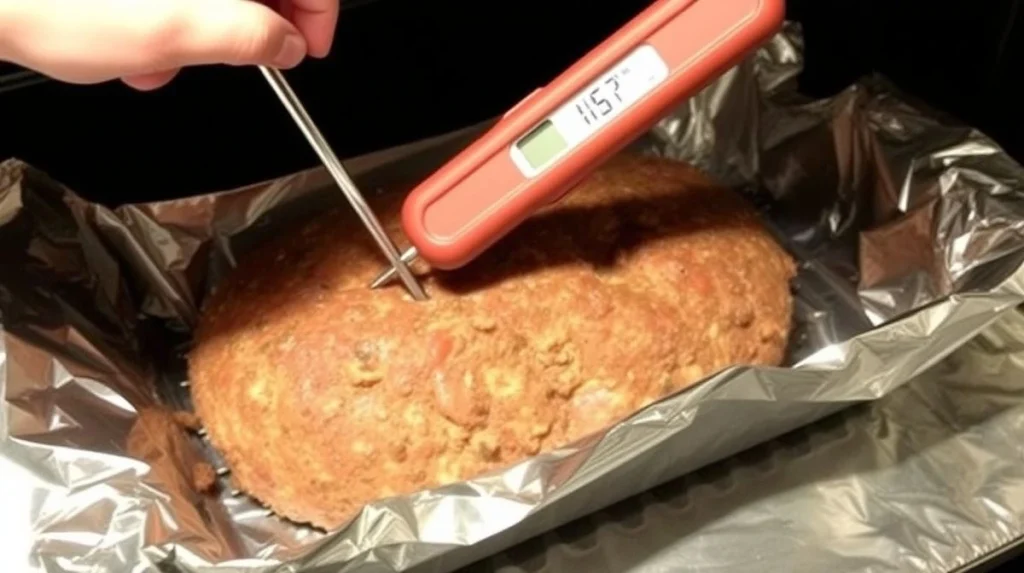
Bake for 45 minutes, or until a meat thermometer inserted into the center of the loaf reads 160°F (71°C). The internal temperature will rise a few degrees after it’s removed from the oven. Personalized Tip: If the top starts to brown too quickly, you can loosely tent the meatloaf with aluminum foil for the last 10-15 minutes of baking.
Step 7: Rest and Serve
Once baked, remove the meatloaf from the oven and let it rest in the pan for 5-10 minutes before slicing. Personalized Tip: This resting period is crucial for juicy meatloaf! It allows the juices to redistribute, ensuring every slice is moist and flavorful. Don’t skip this step, no matter how tempting it is to dig in immediately!
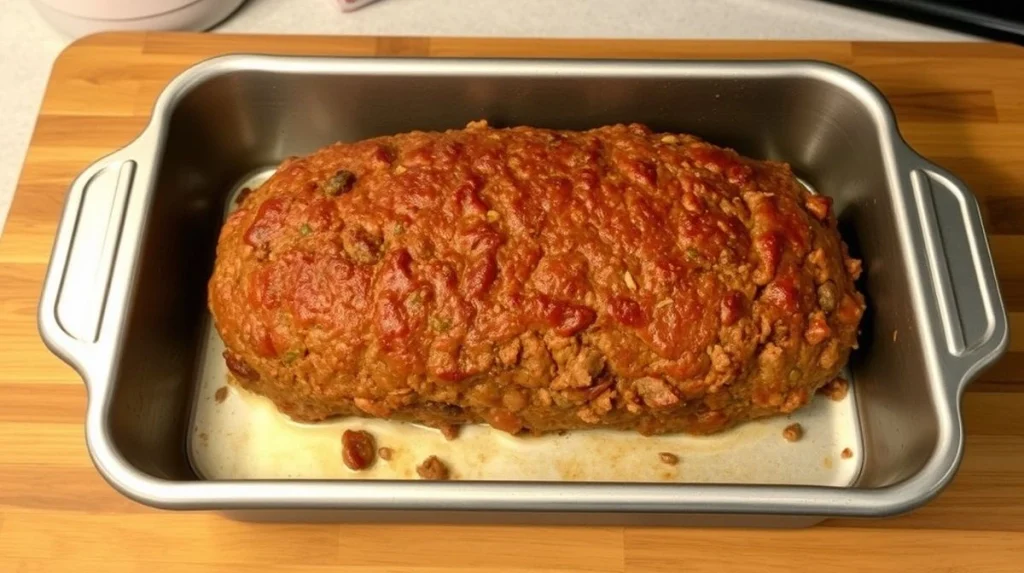
Following these steps will ensure your Meatloaf Recipe is a resounding success, delivering a dish that’s both comforting and impressive. For additional techniques and variations, you might find inspiration from The Best Meatloaf Recipe by Spend With Pennies.
Nutritional Information
Understanding the nutritional content of your meals is increasingly important for many home cooks. While this Meatloaf Recipe is designed for flavor and comfort, here’s a general overview of its nutritional profile per serving. Please note that these values are estimates and can vary based on specific ingredients used, portion sizes, and cooking methods.
Here’s an estimated nutritional breakdown per serving (assuming 8 servings per loaf):
•Calories: Approximately 350-400 kcal
•Protein: 25-30g
•Total Fat: 20-25g
•Saturated Fat: 8-10g
•Carbohydrates: 10-15g
•Sugars: 5-7g
•Fiber: 1-2g
•Sodium: 600-700mg
•Cholesterol: 90-100mg
Data Insights:
•Protein Powerhouse: Meatloaf is an excellent source of high-quality protein, essential for muscle repair, growth, and overall bodily functions. A single serving provides a significant portion of your daily protein needs.
•Energy Provider: The fat content, primarily from the ground beef, provides a substantial energy source. While saturated fat is present, choosing leaner ground beef (e.g., 90/10) can help reduce this without sacrificing too much flavor.
•Moderate Carbohydrates: The carbohydrates primarily come from the breadcrumbs and ketchup. This recipe is relatively low in carbs compared to pasta or rice dishes, making it a suitable option for those monitoring their carbohydrate intake.
•Sodium Considerations: The sodium content is moderate, largely due to the added salt, ketchup, and Worcestershire sauce. If you are monitoring sodium intake, consider using low-sodium versions of these ingredients or reducing the added salt.
For precise nutritional data tailored to your specific ingredients, consider using an online nutritional calculator or food tracking app. This information can help you integrate this delicious Meatloaf Recipe into a balanced diet.
Healthier Alternatives for the Recipe
While our classic Meatloaf Recipe is designed for optimal flavor and juiciness, there are numerous ways to adapt it to align with healthier eating goals or specific dietary needs without sacrificing taste. Here are some creative modifications and ingredient swaps:
•Leaner Meat Choices: Instead of 80/20 ground beef, opt for 90/10 ground beef, ground turkey, or ground chicken. If using leaner meats, consider adding moisture back into the mixture with extra milk, broth, or even finely grated zucchini or mushrooms. These vegetables add moisture and nutrients without significantly altering the flavor.
•Vegetable Boost: Incorporate finely diced or grated vegetables directly into the meatloaf mixture. Carrots, celery, bell peppers, spinach, or even finely chopped kale can add fiber, vitamins, and minerals. Sautéing them first can help release their moisture and deepen their flavor.
•Binder Alternatives: Replace traditional breadcrumbs with healthier options. Rolled oats (ensure they are gluten-free if needed), almond flour, or even cooked quinoa can serve as excellent binders, adding fiber and protein. For a lower-carb option, crushed pork rinds can be used.
•Reduced Sodium: Many ingredients, such as ketchup and Worcestershire sauce, can be high in sodium. Look for low-sodium versions of these condiments. You can also reduce the amount of added salt and rely more on herbs, spices, and fresh aromatics (like garlic and onion) for flavor.
•Sugar-Free Glaze: The ketchup glaze can contribute to the sugar content. Opt for sugar-free ketchup or create your own glaze using tomato paste, a splash of vinegar, and a natural sweetener like a tiny amount of stevia or erythritol, if desired.
•Hidden Veggies: For picky eaters, blend vegetables into a smooth puree and mix them into the meatloaf. This is an excellent way to sneak in extra nutrients without detection.
•Portion Control: While not an ingredient swap, being mindful of portion sizes is a simple yet effective way to make any meal healthier. Serve with a generous side of steamed or roasted vegetables.
By implementing these healthier alternatives, you can enjoy a delicious and satisfying Meatloaf Recipe that fits seamlessly into a health-conscious lifestyle.
Serving Suggestions
A perfectly cooked Meatloaf Recipe is a meal in itself, but pairing it with the right accompaniments can elevate the dining experience from good to extraordinary. Here are some creative and appealing serving suggestions that resonate with a broad audience, incorporating personalized tips to make your dish even more inviting and versatile:
•Classic Comfort: The quintessential pairing for meatloaf is creamy mashed potatoes. The rich, buttery potatoes perfectly complement the savory meatloaf and soak up any delicious pan juices. Personalized Tip: For an extra layer of flavor, whip your mashed potatoes with roasted garlic or a touch of cream cheese. A sprinkle of fresh chives or parsley adds a pop of color and freshness.
•Vibrant Vegetables: Balance the richness of the meatloaf with a side of vibrant, seasonal vegetables. Roasted asparagus, green beans almondine, glazed carrots, or a simple garden salad with a light vinaigrette are excellent choices. Personalized Tip: Don’t just steam your veggies! Roasting them with a drizzle of olive oil, salt, and pepper brings out their natural sweetness and adds a delightful texture contrast.
•Hearty Grains: For a more substantial meal, consider serving your meatloaf alongside a hearty grain. Quinoa, brown rice, or even a wild rice pilaf can offer a different texture and nutritional profile. Personalized Tip: Cook your grains in chicken or vegetable broth instead of water for added depth of flavor.
•Bread for Sopping: A crusty bread, like a baguette or sourdough, is perfect for sopping up any leftover glaze or juices from the meatloaf. Garlic bread is another crowd-pleasing option. Personalized Tip: Warm your bread in the oven for a few minutes before serving to enhance its aroma and texture.
•Sauce It Up: While our meatloaf has a delicious ketchup glaze, you can always offer additional sauces on the side. A mushroom gravy, a tangy BBQ sauce, or even a simple homemade tomato sauce can provide variety. Personalized Tip: If you have pan drippings, deglaze the pan with a little beef broth and a splash of red wine to create a quick and flavorful gravy.
•Creative Combinations: Think outside the box! Meatloaf can be sliced and served cold in sandwiches the next day, or crumbled and used in tacos, chili, or even as a topping for baked potatoes. Personalized Tip: For a fun twist, serve mini meatloaf sliders on dinner rolls with a slice of cheese and a pickle.
These serving suggestions will help you create a complete and satisfying meal around your delicious Meatloaf Recipe, ensuring every bite is a delight. For more quick and easy meal ideas that pair well with meatloaf, consider trying our easy lemon pepper chicken recipe.
Common Mistakes to Avoid
Even with a seemingly simple dish like Meatloaf Recipe, there are common pitfalls that can turn a potentially juicy and flavorful meal into a dry, dense, or bland disappointment. Understanding these mistakes and knowing how to avoid them is key to consistently achieving meatloaf perfection. Here are typical errors and insights on how to prevent or fix them:
•Overmixing the Meat Mixture: This is perhaps the most common mistake. When you overmix the ground meat with the other ingredients, you develop the proteins, leading to a tough, dense, and rubbery meatloaf.
•How to Avoid/Fix: Use your hands and mix gently, just until all ingredients are combined. Think of it as folding rather than kneading. The moment you see everything incorporated, stop mixing. A light touch is all you need.
•Using Too Lean Ground Meat: While healthier in some contexts, very lean ground beef (e.g., 95/5) lacks the fat necessary to keep the meatloaf moist and flavorful during cooking. The fat renders, keeping the loaf tender and juicy.
•How to Avoid/Fix: Opt for an 80/20 or 85/15 ground beef blend. If you must use leaner meat, compensate by adding extra moisture (like more milk or broth) or fat (such as a tablespoon of olive oil or finely grated cheese).
•Not Using a Binder (or Too Little): Binders like breadcrumbs and eggs are crucial for holding the meatloaf together and preventing it from crumbling. Without enough binder, your meatloaf might fall apart.
•How to Avoid/Fix: Ensure you use the recommended amount of breadcrumbs and egg. If your mixture feels too wet, you can add a little more breadcrumbs, a tablespoon at a time, until it reaches a manageable consistency.
•Skipping the Resting Time: It’s tempting to slice into a hot meatloaf right out of the oven, but this is a critical error. The juices inside the meatloaf need time to redistribute after cooking. Cutting it too soon will cause all those delicious juices to run out, leaving you with a dry loaf.
•How to Avoid/Fix: Always let your meatloaf rest for at least 5-10 minutes after removing it from the oven. This allows the internal temperature to stabilize and the juices to reabsorb, ensuring a moist and tender result.
•Under-seasoning: Bland meatloaf is a common complaint. Meat requires generous seasoning to bring out its flavor, and a large loaf needs more than you might think.
•How to Avoid/Fix: Don’t be shy with salt, pepper, and other seasonings. Taste a tiny cooked portion of your mixture before baking (cook a small patty in a skillet) to adjust seasoning if necessary. Incorporate umami-rich ingredients like Worcestershire sauce or a dash of soy sauce.
•Baking at Too High a Temperature: Baking meatloaf at an excessively high temperature can cause the outside to cook too quickly and dry out before the inside is thoroughly cooked.
•How to Avoid/Fix: Stick to the recommended oven temperature of 350°F (175°C). This allows for even cooking throughout the loaf, ensuring it’s cooked through without drying out the exterior.
By being aware of these common mistakes and applying these simple solutions, you’ll consistently produce a delicious and perfectly cooked Meatloaf Recipe that will impress everyone at your table. For additional cooking tips and techniques, you might find value in watching The Best Meatloaf You’ll Ever Eat! video tutorial.
Storing Tips for the Recipe
Proper storage is essential to maintain the freshness, flavor, and safety of your delicious Meatloaf Recipe, whether you’re planning to enjoy leftovers or prepare ingredients ahead of time. Here are practical tips to ensure your meatloaf remains as good as the day it was made:
•Cool Down Quickly: After serving, allow any leftover meatloaf to cool down to room temperature within two hours. Do not leave it out for longer than this, as it enters the ‘danger zone’ where bacteria can multiply rapidly.
•Airtight Containers: Once cooled, transfer the meatloaf slices or the entire remaining loaf into an airtight container. This prevents air exposure, which can lead to dryness and flavor degradation. Glass containers are excellent as they don’t absorb odors and are microwave-safe.
•Refrigeration: Cooked meatloaf can be safely stored in the refrigerator for 3-4 days. Ensure the container is tightly sealed to prevent cross-contamination with other foods and to maintain moisture.
•Freezing for Longer Storage: Meatloaf freezes exceptionally well, making it a great option for meal prepping or extending its shelf life.
•Whole Loaf: Allow the cooked meatloaf to cool completely. Wrap it tightly in plastic wrap, then in aluminum foil, or place it in a freezer-safe bag. This double layer of protection helps prevent freezer burn.
•Individual Slices: For convenience, slice the meatloaf into individual portions before freezing. Wrap each slice separately in plastic wrap, then place them all in a freezer-safe bag or container. This allows you to thaw and reheat only what you need.
•Freezer Life: Properly frozen meatloaf can last for up to 3 months in the freezer. While it may be safe to eat beyond this period, the quality and flavor might start to decline.
•Thawing and Reheating:
•Thawing: Thaw frozen meatloaf overnight in the refrigerator. Avoid thawing at room temperature to prevent bacterial growth.
•Reheating: Reheat meatloaf gently to prevent it from drying out. You can reheat slices in the microwave (covered, with a splash of water or broth to add moisture), in a covered skillet on the stovetop, or in the oven at a low temperature (around 250-300°F or 120-150°C) until warmed through. Adding a little extra ketchup or gravy during reheating can also help maintain moisture.
•Prepping Ahead (Uncooked): You can prepare the uncooked meatloaf mixture a day in advance. Store it tightly covered in the refrigerator. This can save you time on a busy cooking day. Just be sure to bring it closer to room temperature before baking for more even cooking.
By following these storing tips, you can enjoy your delicious Meatloaf Recipe for days or even weeks to come, minimizing waste and maximizing convenience.
Expert Tips & Tricks
Elevate your Meatloaf Recipe from great to gourmet with these expert tips and tricks. These small adjustments and techniques can make a significant difference in the final outcome, ensuring a perfectly juicy, flavorful, and impressive meatloaf every time.
•The Panade is Key: A panade is a mixture of a starch (like breadcrumbs) and a liquid (like milk) that is used to keep meat moist. Before adding the meat, mix your breadcrumbs and milk together and let them sit for a few minutes. This creates a paste that will trap moisture within the meatloaf as it cooks, resulting in a much juicier and more tender texture. This is a classic technique used by professional chefs to prevent dry meatloaf.
•Grate Your Onions: Instead of finely chopping your onions, try grating them on a box grater. This releases more of their moisture and flavor, which then gets distributed more evenly throughout the meatloaf. It also ensures that you won’t have any crunchy, undercooked pieces of onion in your final product. This is a simple trick that adds a surprising amount of flavor and moisture.
•Don’t Crowd the Pan: If you’re not using a loaf pan, be sure to give your free-form meatloaf plenty of space on the baking sheet. This allows the heat to circulate evenly around the entire loaf, resulting in a beautifully browned crust on all sides. If the pan is too crowded, the meatloaf will steam rather than roast, and you’ll miss out on that delicious caramelized exterior.
•A Flavorful Glaze is a Must: While a simple ketchup glaze is classic, you can easily elevate it with a few extra ingredients. Try mixing in a tablespoon of brown sugar for a touch of sweetness, a teaspoon of apple cider vinegar for some tang, or a dash of smoked paprika for a smoky depth. Apply half of the glaze at the beginning of baking and the other half during the last 10-15 minutes to create a rich, caramelized crust.
•Rest, Rest, Rest: We can’t stress this enough. Letting your meatloaf rest for at least 10 minutes after it comes out of the oven is non-negotiable. This allows the juices to redistribute throughout the loaf, ensuring that every slice is moist and flavorful. If you cut into it too soon, all of those delicious juices will end up on your cutting board instead of in your meatloaf.
Examples or Case Studies
To bring this Meatloaf Recipe to life, let’s explore a real-world application and a personal story that showcases its versatility and appeal. These examples demonstrate how this recipe can be adapted and enjoyed in different contexts, making it more than just a set of instructions—it becomes a part of your culinary story.
Case Study: The Busy Weeknight Dinner Solution
Scenario: Sarah, a working mother of two, often struggles to find time to cook healthy, home-cooked meals during the week. Her family loves meatloaf, but the traditional recipes she’s tried take too long to prepare and often turn out dry. She decides to try our 60-minute Meatloaf Recipe on a busy Tuesday evening.
Application: Sarah follows our recipe, but with a few time-saving modifications. She uses pre-chopped onions from the grocery store and prepares the meatloaf mixture the night before, storing it in the refrigerator. On Tuesday, she simply preheats the oven, places the mixture in a loaf pan, and bakes it while helping her kids with their homework. She also opts for the free-form loaf on a baking sheet to get a crispier crust, which her family loves.
Outcome: In just over an hour, Sarah has a delicious, juicy meatloaf on the table. Her family raves about the flavor and texture, and she’s thrilled with how easy it was to prepare. The leftovers are used for sandwiches the next day, making her week even easier. This case study demonstrates how our Meatloaf Recipe can be a practical and delicious solution for busy families who want to enjoy home-cooked meals without the stress and time commitment of traditional recipes.
Personal Story: A Twist on a Classic for a Potluck
Scenario: I was invited to a potluck dinner with friends and wanted to bring a dish that was both comforting and a little unexpected. I decided to make our Meatloaf Recipe, but with a creative twist to make it stand out.
Application: Instead of a traditional loaf, I decided to make mini meatloaves in a muffin tin. This not only made them perfectly portioned for a potluck but also reduced the cooking time to about 25-30 minutes. I also added a surprise ingredient to the center of each mini meatloaf: a small cube of mozzarella cheese. As the meatloaves baked, the cheese melted, creating a gooey, delicious center.
Outcome: The mini meatloaves were a huge hit at the potluck. They were easy to serve, and the melted cheese center was a delightful surprise. My friends were impressed with the flavor and creativity, and several asked for the recipe. This personal story illustrates how our versatile Meatloaf Recipe can be adapted for different occasions and how a simple twist can turn a classic dish into a memorable one.
These examples show that our Meatloaf Recipe is more than just a set of instructions; it’s a versatile foundation that can be adapted to fit your lifestyle, preferences, and creative culinary ideas. Whether you’re looking for a quick weeknight meal or a crowd-pleasing potluck dish, this recipe is sure to deliver. For more comfort food inspiration, you might also enjoy our baked ham and cheese recipe.
Conclusion
In conclusion, this Meatloaf Recipe redefines comfort food, proving that a juicy, flavor-packed meatloaf can be achieved in just 60 minutes. By focusing on quality ingredients, gentle mixing, and crucial resting time, you can consistently create a tender, savory dish. We encourage you to try this recipe, share your culinary triumphs in the comments, and subscribe for more delicious, time-saving recipes!
FAQs
Here are some frequently asked questions about making the perfect Meatloaf Recipe:
•Q: Why is my meatloaf dry?
•A: Your meatloaf might be dry due to several reasons: using too lean ground meat, overmixing the mixture, or not allowing it to rest after baking. Ensure you use an 80/20 ground beef blend, mix gently, and always let it rest for 5-10 minutes after baking to redistribute juices.
•Q: Can I make meatloaf ahead of time?
•A: Yes, you can prepare the uncooked meatloaf mixture up to a day in advance and store it, tightly covered, in the refrigerator. You can also fully bake the meatloaf, cool it, and then refrigerate or freeze it for later. Just be sure to thaw it properly before reheating.
•Q: What is the best temperature to cook meatloaf?
•A: The ideal temperature for cooking meatloaf is 350°F (175°C). This allows for even cooking without drying out the exterior too quickly. Always cook until the internal temperature reaches 160°F (71°C).
•Q: Can I use different types of meat?
•A: While this recipe is optimized for ground beef, you can experiment with ground turkey, chicken, or a mix of meats (e.g., beef, pork, and veal). Keep in mind that leaner meats may require additional moisture to prevent dryness, and the flavor profile will change.
•Q: How do I prevent my meatloaf from crumbling?
•A: Crumbling is often a sign of insufficient binder or overmixing. Ensure you use the recommended amount of breadcrumbs and egg, and mix the ingredients just until combined. A panade (breadcrumbs soaked in milk) can also significantly improve the meatloaf’s structure and moisture.
•Q: What can I use instead of breadcrumbs?
•A: If you don’t have breadcrumbs, you can use crushed crackers, rolled oats (quick-cooking), or even finely ground flaxseed meal as binders. For a gluten-free option, use gluten-free breadcrumbs or almond flour.
•Q: How do I know when my meatloaf is done?
•A: The most accurate way to tell if your meatloaf is done is by using a meat thermometer. Insert it into the thickest part of the loaf; it should read 160°F (71°C). The top should also be nicely browned, and the juices should run clear.