
Table of Contents
Introduction
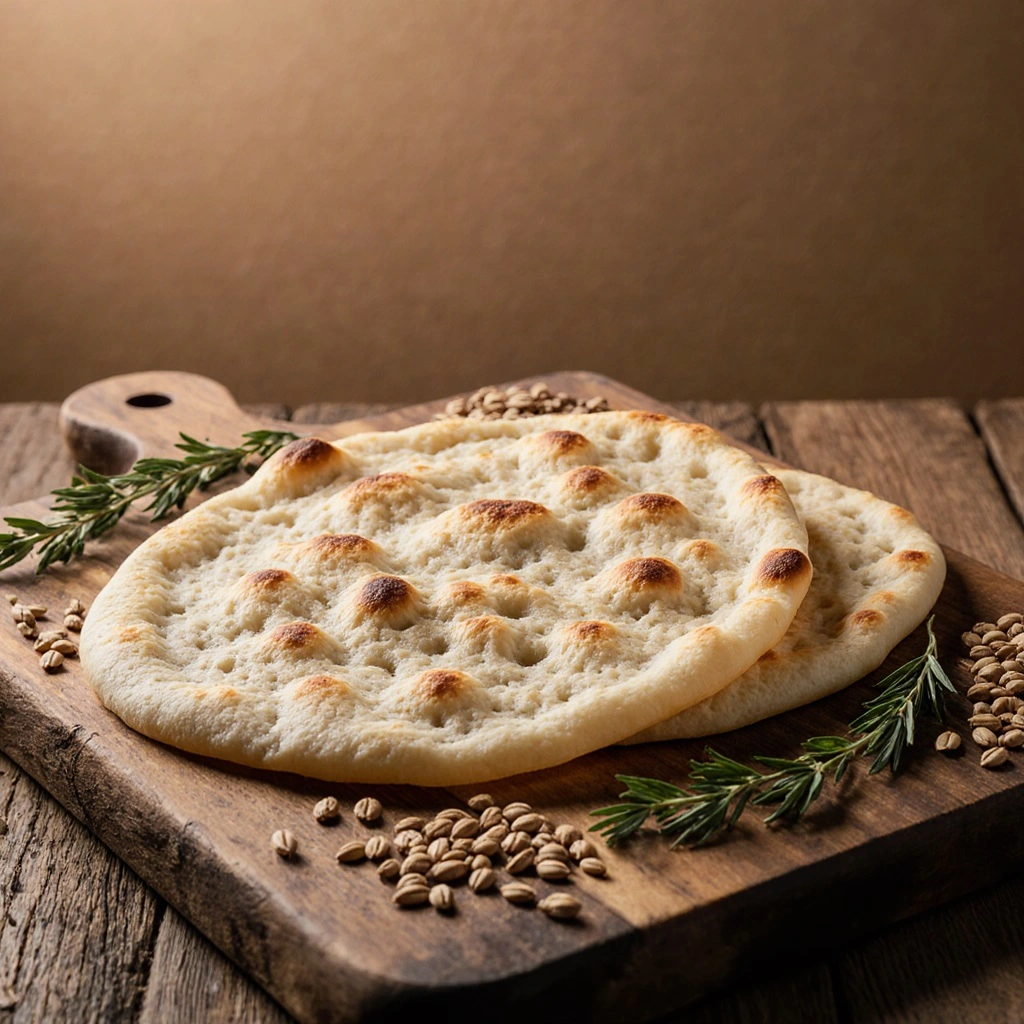
Ever wondered about the secret to truly versatile and delicious bread? In a world brimming with diverse culinary traditions, few breads can claim the rich history, adaptability, and sheer delightful simplicity of lavash bread. This ancient culinary treasure, with its delicate texture and subtle flavor, has graced tables across the Middle East, South Caucasus, and Central Asia for centuries, evolving from a humble staple to a celebrated component of countless dishes. Its enduring popularity is a testament to its unique qualities, making it a must-try for any food enthusiast looking to expand their gastronomic horizons.
Lavash bread, a thin flatbread, originated in the South Caucasus and West Asia, particularly Armenia and Iran, and has been recognized by UNESCO for its cultural significance. This recognition underscores not only its historical importance but also its role as a living tradition, passed down through generations. From its traditional preparation in ancient tandoor ovens to its modern-day applications in kitchens worldwide, lavash continues to captivate with its simplicity and profound culinary impact.
Whether you’re a seasoned baker or a curious home cook, mastering the art of lavash opens up a world of delicious possibilities, transforming everyday meals into extraordinary culinary experiences. This guide will delve into everything you need to know about lavash, from its fascinating history and preparation to creative recipes and expert tips, ensuring you can confidently bring this amazing bread into your own kitchen.
Ingredients List
Crafting homemade lavash bread requires only a handful of fundamental ingredients, most of which are likely already nestled in your pantry. The beauty of this recipe lies in its simplicity, allowing the natural flavors and textures of each component to shine through. Here’s a detailed look at what you’ll need to embark on your lavash-making journey, along with insights into their roles and potential substitutions:
•All-Purpose Flour (or Bread Flour): This forms the structural backbone of your lavash. All-purpose flour will yield a softer, more pliable lavash, ideal for wraps and delicate applications. If you prefer a chewier, slightly heartier texture, bread flour, with its higher protein content, is an excellent alternative. For those seeking a healthier option, a portion of the all-purpose flour can be substituted with whole wheat flour, though this may result in a denser bread. Start with a 1:1 ratio and adjust as needed to achieve the desired consistency.
•Active Dry Yeast: The magical leavening agent that gives lavash its characteristic airy pockets and subtle chewiness. When activated, yeast produces carbon dioxide, creating bubbles within the dough that expand during baking. Ensure your yeast is fresh and active for optimal results. If using instant yeast, you can skip the initial proofing step and add it directly to the dry ingredients.
•Warm Water (or Milk): The liquid component that brings the dough together, activating the yeast and allowing the flour to hydrate. Warm water (around 105-115°F or 40-46°C) is crucial for activating the yeast without killing it. For a richer, more tender lavash, whole milk can be used instead of water. Dairy-free milk alternatives like almond or oat milk can also be used for a vegan version, though they may slightly alter the flavor and texture.
•Salt: A fundamental ingredient that enhances the flavor of the lavash and regulates yeast activity. Use fine sea salt or kosher salt for best results. Avoid over-salting, as it can inhibit yeast growth and make the bread too brittle.
•Olive Oil (Extra Virgin): A touch of olive oil adds a subtle richness to the dough, contributes to its pliability, and helps prevent sticking during kneading and rolling. Extra virgin olive oil offers a more robust flavor, but any neutral-flavored oil can be used. This also helps in achieving that slightly crisp exterior when cooked.
•Honey (Optional): A small amount of honey can be added to provide a hint of sweetness and to further aid in yeast activation, contributing to a beautiful golden-brown crust. If you prefer an unsweetened lavash or are avoiding sugar, this ingredient can be omitted without significantly impacting the final product. For a vegan option, agave nectar or maple syrup can be used as a substitute.
These simple yet powerful ingredients, when combined with proper technique, will transform into the delicious and versatile lavash bread that has been cherished for centuries. Remember, the quality of your ingredients directly impacts the final taste and texture, so opt for fresh and high-quality components whenever possible.
Timing
One of the most appealing aspects of making homemade lavash bread is its relatively quick preparation time, especially when compared to other traditional bread recipes that often demand extensive proofing and baking periods. While there is some waiting involved for the dough to rise, the active hands-on time is surprisingly minimal, making it an accessible project even for busy weeknights. Understanding the breakdown of preparation, cooking, and total time will help you plan your lavash-making adventure efficiently.
Preparation Time: The initial phase involves gathering your ingredients, measuring them precisely, and mixing the dough. This typically takes about 15-20 minutes. This includes the time to activate the yeast (if using active dry yeast) and briefly knead the dough until it comes together. The simplicity of the ingredient list and the straightforward mixing process contribute to this quick start.
Proofing/Resting Time: This is the passive waiting period where the yeast works its magic, allowing the dough to rise and develop flavor. For lavash, the initial rise usually takes around 45-60 minutes in a warm spot. If you opt for the overnight cold fermentation method (as suggested in the “Tips for Making Thin Flatbread” section), this time extends significantly, but it’s entirely hands-off and can be done while you sleep or are away. This longer rest helps relax the gluten, making the dough easier to roll out thinly.
Cooking Time: The actual cooking of lavash is remarkably fast. Once your skillet or griddle is heated, each piece of lavash cooks in approximately 30-40 seconds per side, meaning a single lavash is ready in just over a minute. For a batch of 12 small lavash pieces, the total cooking time would be around 15-20 minutes, depending on your cooking surface and efficiency. This rapid cooking is a significant advantage, allowing you to produce fresh bread quickly.
Total Time: Factoring in all stages, from start to finish, you can expect to have fresh, warm lavash bread in approximately 1.5 to 2 hours if you follow the standard proofing method. If you choose the overnight cold fermentation, the total time extends to 12-24 hours, but again, most of this is inactive time. This makes lavash a much faster alternative to many other homemade breads, such as sourdough (which can take 24+ hours) or even traditional yeasted loaves (which often require 3-4 hours with multiple rises).
Compared to store-bought options, the slight time investment for homemade lavash is immensely rewarding. The superior taste, texture, and aroma of freshly made lavash are unparalleled, offering a truly authentic culinary experience that far surpasses the often dry and brittle store-bought versions. The efficiency of the cooking process means you can enjoy warm, pliable lavash almost on demand, making it a perfect addition to any meal.
Step-by-Step Instructions
Making homemade lavash bread is a rewarding process that, despite its seemingly intricate appearance, is surprisingly straightforward. The key lies in understanding each step and allowing the dough to guide you. Follow these clear, actionable steps to create soft, pliable, and utterly delicious lavash in your own kitchen. This guide assumes you are using active dry yeast; if using instant yeast, you can skip the initial proofing step.
Checklist for Success:
•Dough Preparation: Ensure ingredients are at room temperature.
•Kneading: Knead until the dough is smooth and elastic.
•First Rise: Allow adequate time for the dough to double in size.
•Dividing & Shaping: Divide dough evenly and form smooth balls.
•Rolling: Roll dough as thinly as possible without tearing.
•Cooking: Cook quickly on a hot surface until bubbles form and golden spots appear.
•Storage: Cover cooked lavash immediately to keep it soft.
Timeline Overview:
1.Activate Yeast & Mix Dough: 10-15 minutes
2.First Rise (Proofing): 45-60 minutes
3.Divide & Shape Dough Balls: 10-15 minutes
4.Roll & Cook Each Lavash: 1-2 minutes per lavash
Detailed Steps:
Step 1: Activate the Yeast (if using Active Dry Yeast) In a medium-sized bowl, combine 1 cup of warm water (or milk, if using) with 1 teaspoon of honey (if using). Sprinkle 1 packet (2 ¼ teaspoons) of active dry yeast over the surface. Gently stir and let the mixture sit for 5-10 minutes. You should see a foamy layer form on top, indicating that the yeast is active and ready to go. If no foam appears, your yeast may be old or the water temperature was incorrect, and you should start over with fresh yeast.
Step 2: Combine Dry Ingredients In a large mixing bowl (or the bowl of a stand mixer fitted with a dough hook), whisk together 2 ½ cups of all-purpose flour (or bread flour) and 1 teaspoon of salt. Make a well in the center of the flour mixture.
Step 3: Mix the Dough Pour the activated yeast mixture (from Step 1) into the well of the dry ingredients. Add 1 tablespoon of olive oil. If using a stand mixer, begin kneading on low speed (setting 2) until the ingredients come together to form a shaggy dough. If mixing by hand, use a wooden spoon or your hands to combine the ingredients until a rough dough forms. Continue to mix until all the flour is incorporated.
Step 4: Knead the Dough Turn the dough out onto a lightly floured surface. Knead the dough for 5-7 minutes, or until it becomes smooth, elastic, and no longer sticky. If using a stand mixer, continue kneading on medium-low speed for 5-7 minutes. The dough should be soft and pliable. Avoid adding too much extra flour during kneading, as this can make the lavash tough. A slightly tacky dough is desirable.
Step 5: First Rise (Proofing) Lightly grease a clean large bowl with a small amount of olive oil. Place the kneaded dough in the bowl, turning it once to coat all sides with oil. Cover the bowl tightly with plastic wrap or a clean kitchen towel. Place the bowl in a warm, draft-free spot for 45-60 minutes, or until the dough has doubled in size. A warm oven (turned off, with just the light on) or a sunny spot on your countertop works well.
Step 6: Divide and Shape Dough Balls Once the dough has doubled, gently punch it down to release the air. Turn the dough out onto a lightly floured surface. Divide the dough into 12 equal pieces. For best results and consistent size, you can weigh each piece (they should be approximately 1.5 to 2 ounces each). Roll each piece into a smooth, tight ball. Cover the dough balls with a clean kitchen towel to prevent them from drying out while you work.
Step 7: Roll the Lavash Lightly flour your work surface and a rolling pin. Take one dough ball and flatten it slightly with your hand. Begin rolling the dough from the center outwards, rotating it frequently to ensure an even, thin circle. Roll the dough as thinly as possible, aiming for a diameter of about 8-10 inches. The thinner you roll it, the crispier your lavash will be if allowed to dry, and the more pliable it will be for wraps. If the dough springs back, let it rest for a few minutes before continuing to roll.
Step 8: Cook the Lavash Heat a large non-stick skillet or griddle over medium-high heat. Do not add any oil to the pan. Once the pan is hot (a drop of water should sizzle and evaporate immediately), carefully place one rolled lavash dough into the dry skillet. Cook for about 30-40 seconds, or until bubbles begin to form on the surface and the bottom has light golden-brown spots. Flip the lavash using tongs or a spatula and cook for another 30-40 seconds on the second side, until it also has golden spots and is cooked through. The lavash should remain soft and pliable.
Step 9: Cover and Repeat As each lavash cooks, immediately transfer it to a large plate or tray and cover it with a clean kitchen towel. This step is crucial for keeping the lavash soft and flexible. If left exposed to air, it will quickly become brittle. Continue rolling and cooking the remaining dough balls, ensuring the pan remains hot between each piece. Adjust heat as needed to prevent burning.
Step 10: Serve or Store Serve your freshly made lavash bread warm, or allow it to cool completely before storing. For storage, layer the lavash pieces between sheets of parchment paper and place them in a large, airtight Ziploc bag or container. They will stay fresh at room temperature for up to 4 days, or can be frozen for up to 1 month. To reheat frozen lavash, simply warm it in a low-heated oven or microwave until soft.
Enjoy the fruits of your labor delicious, homemade lavash bread ready for all your culinary creations!
Nutritional Information
Understanding the nutritional profile of lavash bread can help you incorporate it wisely into your diet. As a simple flatbread made from basic ingredients, lavash is generally a healthy option, especially when compared to more processed or enriched breads. Its nutritional content can vary slightly depending on the specific ingredients used (e.g., white flour vs. whole wheat, addition of milk or oil), but here’s a general overview:
Typical Nutritional Breakdown (per 1 serving, approximately 50g):
| Nutrient | Amount (Approximate) |
| Calories | 60-80 kcal |
| Total Fat | 0.5-1.5 g |
| Saturated Fat | 0-0.5 g |
| Trans Fat | 0 g |
| Cholesterol | 0 mg |
| Sodium | 100-150 mg |
| Total Carbohydrates | 12-18 g |
| Dietary Fiber | 1-2 g |
| Total Sugars | 0-1 g |
| Protein | 2-3 g |
Fact Block: “A single serving of traditional lavash bread typically contains around 60-80 calories, with minimal fat and a good source of carbohydrates. It is a versatile base that can be part of a balanced diet, especially when paired with nutrient-rich fillings and toppings.”
Key Nutritional Aspects:
•Low in Fat: Lavash is inherently low in fat, particularly saturated and trans fats, making it a heart-healthy choice. The small amount of fat present usually comes from any added olive oil, which contributes beneficial monounsaturated fats.
•Good Source of Carbohydrates: As a bread, lavash primarily provides carbohydrates, which are the body’s main source of energy. These carbohydrates are complex, offering sustained energy release.
•Low in Sugar: Traditional lavash recipes contain very little to no added sugar, making it a suitable option for those monitoring their sugar intake.
•Moderate Protein: While not a primary protein source, lavash does contribute a small amount of plant-based protein, which is essential for muscle repair and growth.
•Fiber Content: The fiber content in lavash is modest, but it can be significantly increased by using whole wheat flour. Dietary fiber is crucial for digestive health and can help with satiety.
•Cholesterol-Free: Lavash is naturally cholesterol-free, as it contains no animal products.
It’s important to remember that the overall nutritional value of your meal will depend on what you pair with your lavash. Enjoying it with fresh vegetables, lean proteins, and healthy dips can create a well-rounded and nutritious meal. For those with specific dietary needs, such as gluten intolerance, there are now many gluten-free flour blends available that can be used to make lavash, though the texture may vary slightly.
Healthier Alternatives
While traditional lavash bread is already a relatively healthy option, there are several ways to modify the recipe to further enhance its nutritional profile or cater to specific dietary needs. These healthier alternatives allow you to enjoy the versatility and deliciousness of lavash while aligning with your health goals.
•Whole Wheat Lavash: The simplest and most effective way to boost the nutritional value of your lavash is to substitute a portion or all of the all-purpose flour with whole wheat flour. Whole wheat flour retains the bran and germ of the wheat kernel, providing significantly more dietary fiber, vitamins (especially B vitamins), and minerals (like iron, magnesium, and zinc) compared to refined white flour. This results in a lavash that is more filling, aids in digestion, and contributes to better blood sugar control. When making the switch, you might need to adjust the water content slightly, as whole wheat flour absorbs more liquid.
•Low-Carb/Keto-Friendly Lavash: For those following low-carbohydrate or ketogenic diets, traditional lavash can be adapted by using alternative flours. Almond flour, coconut flour, or a blend of both, combined with psyllium husk powder (for elasticity), can create a lavash-like flatbread that is significantly lower in net carbohydrates. While the texture and flavor will differ from traditional lavash, these alternatives offer a viable option for maintaining dietary restrictions without sacrificing the enjoyment of a versatile flatbread.
•Gluten-Free Lavash: For individuals with celiac disease or gluten sensitivity, gluten-free all-purpose flour blends are readily available. These blends typically combine rice flour, tapioca starch, potato starch, and sometimes xanthan gum to mimic the properties of wheat flour. Using a gluten-free blend will allow you to create a lavash that is safe for consumption while still offering a similar experience. Be mindful that gluten-free doughs can be less elastic and may require more gentle handling.
•Seed-Enriched Lavash: Incorporating seeds like flaxseeds, chia seeds, or sesame seeds into your lavash dough can add a nutritional punch. Flaxseeds and chia seeds are excellent sources of omega-3 fatty acids, fiber, and protein, while sesame seeds provide healthy fats and minerals. These can be mixed directly into the dough or sprinkled on top before baking for added texture and flavor.
•Reduced Sodium Lavash: If you are monitoring your sodium intake, you can easily reduce the amount of salt in the recipe. While salt is important for flavor and yeast activity, you can gradually decrease it to your preference without significantly impacting the structure, especially if you are pairing the lavash with flavorful fillings or dips.
By exploring these healthier alternatives, you can customize your lavash bread to fit your specific dietary needs and preferences, making this ancient staple an even more beneficial addition to your healthy eating plan.
Serving Suggestions
The true magic of lavash bread lies in its incredible versatility. Its mild flavor and pliable texture make it a perfect canvas for a myriad of culinary creations, transforming from a simple flatbread into a key component of both savory and sweet dishes. Whether you’re looking for a quick snack, a hearty meal, or an elegant appetizer, lavash can adapt to almost any role. Here are some creative and versatile ideas to inspire your next lavash-infused culinary adventure:
Fact Block: “Lavash bread is incredibly versatile, serving as an excellent base for savory wraps, crispy pizza crusts, or even sweet desserts. Its neutral flavor profile allows it to complement a wide range of ingredients, making it a staple in diverse cuisines.”
Savory Applications:
•Wraps and Roll-Ups: This is perhaps the most common and beloved use for lavash. Its thinness and flexibility make it ideal for wrapping up your favorite fillings. Think classic Middle Eastern kebabs, chicken shawarma, or falafel. For a quick lunch, fill it with deli meats, cheese, and fresh vegetables. You can also create breakfast burritos with scrambled eggs, cheese, and sausage, or even a healthier version with spinach and feta. The possibilities are endless, making lavash a go-to for portable and customizable meals.
•Crispy Lavash Chips: Transform leftover lavash into delicious, crunchy chips. Simply cut the lavash into triangles or strips, brush lightly with olive oil, sprinkle with your favorite seasonings (za’atar, paprika, garlic powder, or just salt and pepper), and bake until golden and crisp. These chips are perfect for scooping up dips like hummus, baba ganoush, tzatziki, or a creamy whipped feta. They also make a fantastic addition to salads or as a crunchy garnish for soups.
•Thin-Crust Pizzas: Lavash makes an excellent base for quick and easy thin-crust pizzas. Its pre-baked nature means you get a crispy crust without a long baking time. Spread a thin layer of tomato sauce, add your favorite toppings, and sprinkle with cheese. Bake in a hot oven until the cheese is melted and bubbly, and the crust is golden. This is a fantastic way to create personalized pizzas in minutes, perfect for a casual dinner or a fun activity with kids.
•Quesadillas and Calzones: Use lavash as a substitute for tortillas in quesadillas for a lighter, crispier result. Fill with cheese, beans, and your choice of protein, then cook in a skillet until golden. For a quick calzone, fill a piece of lavash with ricotta, mozzarella, and your favorite pizza toppings, fold it over, and bake until the crust is golden and the filling is hot.
•Accompaniment to Soups and Stews: Lavash is a wonderful companion to hearty soups and stews. Its ability to soak up rich broths and sauces makes it an ideal
tool for scooping up every last drop of flavor. It can also be torn into pieces and added directly to the bowl, adding a delightful textural contrast.
•Garlic Bread Alternative: For a quick and flavorful side, brush lavash with melted butter infused with garlic, sprinkle with Parmesan cheese and herbs, and bake until lightly toasted. This makes a lighter alternative to traditional garlic bread, perfect with pasta dishes or salads.
Sweet Applications:
•Sweet Crisps: Just like savory chips, lavash can be transformed into sweet crisps. Brush with melted butter, sprinkle with cinnamon sugar, and bake until crispy. These are delicious on their own or served with fruit compotes, ice cream, or yogurt.
•Fruit and Nutella Wraps: Spread lavash with Nutella or any chocolate spread, add sliced bananas, strawberries, or other fruits, and roll it up for a quick and easy dessert. A sprinkle of chopped nuts can add extra crunch and flavor.
•Dessert Pizzas: Use lavash as a base for a sweet pizza. Spread with cream cheese frosting, top with fresh berries, a drizzle of honey, or chocolate shavings for a light and refreshing dessert.
From casual family meals to elegant entertaining, lavash bread offers endless possibilities. Its adaptability ensures that it can be a star ingredient or a supportive player, always adding a touch of authentic flavor and delightful texture to your culinary creations. Experiment with different fillings, toppings, and preparations to discover your own favorite ways to enjoy this amazing flatbread.
Common Mistakes to Avoid
While making homemade lavash bread is a relatively simple process, there are a few common pitfalls that can hinder your success. Being aware of these potential mistakes and knowing how to prevent them will ensure your lavash turns out perfectly soft, pliable, and delicious every time. Here’s what to watch out for:
•Using Water That’s Too Hot or Too Cold: Yeast is a living organism, and its activity is highly dependent on temperature. Water that is too hot (above 120°F or 49°C) will kill the yeast, preventing the dough from rising. Water that is too cold (below 100°F or 38°C) will slow down yeast activity significantly, leading to a very long or non-existent rise. Aim for lukewarm water, ideally between 105-115°F (40-46°C), which is warm to the touch but not uncomfortably hot. If you don’t have a thermometer, test it on your wrist; it should feel like a baby’s bathwater.
•Not Activating Yeast Properly: If you’re using active dry yeast, it’s crucial to activate it in warm water with a pinch of sugar (or honey) before adding it to the flour. If your yeast mixture doesn’t become foamy and bubbly after 5-10 minutes, your yeast is likely dead, and your dough won’t rise. Don’t proceed with dead yeast; start over with a fresh packet.
•Adding Too Much Flour: This is a very common mistake in bread making. While it might be tempting to add more flour to make a sticky dough easier to handle, too much flour will result in a dense, tough, and dry lavash. The dough should be soft and slightly tacky after kneading, not stiff. Resist the urge to add excessive flour during kneading and rolling. A light dusting is all that’s needed.
•Under-Kneading or Over-Kneading: Proper kneading develops the gluten in the flour, which gives the lavash its structure and elasticity. Under-kneaded dough will be difficult to roll thinly and will result in a less pliable lavash. Over-kneading, while less common for home bakers, can also lead to a tough texture. Aim for 5-7 minutes of kneading until the dough is smooth and elastic. It should spring back slowly when gently poked.
•Not Rolling Thin Enough: The hallmark of authentic lavash is its thinness. If the dough is not rolled out sufficiently thin, the lavash will be thicker, chewier, and less pliable, resembling more of a pita or naan. Take your time during the rolling process, and don’t be afraid to roll it until it’s almost translucent. If the dough resists, let it rest for 5-10 minutes to allow the gluten to relax before continuing.
•Overcrowding the Pan: When cooking lavash, resist the urge to cook multiple pieces at once unless you have a very large griddle. Overcrowding the pan will lower the temperature, leading to lavash that steams rather than cooks, resulting in a less desirable texture. Cook one piece at a time to maintain consistent high heat, ensuring quick cooking and proper bubbling.
•Overcooking the Lavash: Lavash cooks very quickly, typically 30-40 seconds per side. Overcooking will make the lavash dry, brittle, and cracker-like, losing its characteristic softness and pliability. Watch for golden-brown spots and slight bubbling, then remove it promptly from the heat. It will continue to cook slightly from residual heat.
•Not Covering Cooked Lavash: This is a critical step for maintaining the softness of your lavash. As soon as a piece is cooked, transfer it to a plate or tray and immediately cover it with a clean kitchen towel. This traps the steam, keeping the lavash moist and pliable. If left exposed to the air, it will quickly dry out and become stiff.
By avoiding these common mistakes, you’ll be well on your way to consistently making perfect lavash bread that is a joy to eat and incredibly versatile for all your culinary needs.
Storing Tips
Proper storage is key to maintaining the freshness, softness, and pliability of your homemade lavash bread. While it’s undoubtedly best enjoyed fresh and warm straight from the skillet, knowing how to store it correctly will allow you to savor its deliciousness for days or even weeks. Here are the best practices for keeping your lavash in optimal condition:
•Cool Completely Before Storing: This is a crucial first step. After cooking, transfer each piece of lavash to a clean plate or tray and immediately cover it with a clean kitchen towel. This traps the steam and keeps the lavash soft. Once all the lavash is cooked, allow it to cool completely to room temperature before packaging. Storing warm lavash can create condensation, leading to sogginess and potential mold growth.
•Room Temperature Storage (Short-Term): For lavash that will be consumed within a few days, room temperature storage is ideal. Once cooled, stack the lavash pieces with a sheet of parchment paper between each one to prevent sticking. Place the stack in a large, airtight Ziploc bag or an airtight container. This prevents air exposure, which is the primary cause of lavash drying out and becoming brittle. Stored this way, lavash will remain soft and fresh for up to 3-4 days.
•Refrigeration (Medium-Term): If you need to store lavash for a slightly longer period, refrigeration can extend its shelf life. Follow the same steps as for room temperature storage: cool completely, layer with parchment paper, and place in an airtight bag or container. Refrigerated lavash will stay fresh for up to 1 week. However, be aware that refrigeration can sometimes alter the texture of bread, making it slightly firmer. A quick re-warming will usually restore its softness.
•Freezing (Long-Term): For long-term storage, freezing is an excellent option. This is particularly useful if you’ve made a large batch or want to have homemade lavash readily available. To freeze, ensure the lavash is completely cool. Stack individual pieces with parchment paper between them to prevent them from freezing together. Wrap the stack tightly in plastic wrap, then place it in a heavy-duty freezer bag or an airtight freezer-safe container. Lavash can be frozen for up to 1 month without significant loss of quality. For best results, thaw frozen lavash at room temperature or gently warm it in a low-heated oven or microwave until soft and pliable.
•Re-warming Lavash: To bring stored lavash back to its fresh-baked glory, you have a few options:
•Skillet: Lightly dampen the lavash with a few drops of water (or use a spray bottle) and warm it in a dry skillet over medium heat for 15-30 seconds per side until soft and pliable.
•Oven: Preheat your oven to 300°F (150°C). Lightly dampen the lavash, wrap it in aluminum foil, and warm for 5-10 minutes, or until soft.
•Microwave: For a very quick re-warm, lightly dampen the lavash and microwave for 10-15 seconds. Be careful not to over-microwave, as it can make the lavash tough.
By following these simple storage and re-warming tips, you can ensure that your homemade lavash bread remains a delightful and convenient staple in your kitchen, ready to be enjoyed whenever a craving strikes.
Expert Tips & Tricks
Elevate your homemade lavash bread from good to extraordinary with these expert tips and tricks. These insights, gleaned from years of baking experience and traditional practices, will help you achieve perfect results, enhance flavor, and troubleshoot common issues, ensuring your lavash is consistently a culinary triumph.
1.The Importance of Dough Relaxation (Cold Fermentation): While a quick rise is possible, allowing your dough to undergo a cold fermentation in the refrigerator for 12-24 hours can significantly improve the flavor and texture of your lavash. The slow rise develops more complex flavors and relaxes the gluten, making the dough incredibly easy to roll out thinly. This is especially beneficial if you struggle with the dough springing back during rolling. Simply place the kneaded dough (after its initial short rise) in an oiled bowl, cover tightly, and refrigerate. Bring it to room temperature for about 30 minutes before dividing and rolling.
2.Achieving Paper-Thinness with Ease: The key to authentic lavash is its thinness. If your dough is resisting, don’t force it. Instead, let it rest for 5-10 minutes. This allows the gluten to relax, making it more pliable. Use a light dusting of flour on your work surface and rolling pin, and roll from the center outwards, rotating the dough frequently. For extra thinness, some traditional bakers even stretch the dough gently over their hands after initial rolling, but this requires practice. A large, thin dowel or even a clean, smooth wine bottle can work as a rolling pin if you don’t have a traditional one.
3.The Hot Skillet is Your Best Friend: The success of lavash cooking hinges on a very hot, dry skillet or griddle. A pan that isn’t hot enough will result in lavash that is tough and dry, rather than soft and pliable. Test the heat by flicking a few drops of water onto the surface; they should sizzle and evaporate immediately. Avoid adding oil to the pan, as lavash is traditionally cooked without it, relying on the dry heat to puff up and cook quickly. If your lavash isn’t puffing, it’s often a sign your pan isn’t hot enough.
4.Mastering the Bubble and Flip: As lavash cooks, you’ll notice bubbles forming on the surface. These are pockets of steam expanding, indicating that the bread is cooking through. Once you see these bubbles and the underside has developed light golden-brown spots (usually within 30-40 seconds), it’s time to flip. Don’t wait for the entire surface to be covered in large bubbles, as this can lead to overcooking and a brittle texture. The quick flip ensures even cooking and maintains the lavash’s softness.
5.The Steam Secret for Softness: The moment your lavash comes off the hot skillet, it’s crucial to immediately transfer it to a plate or tray and cover it with a clean kitchen towel. This simple step traps the steam released from the hot bread, which in turn keeps the lavash soft and pliable. If left exposed to the air, it will quickly dry out and become stiff, losing its desirable texture. This is perhaps the most important tip for ensuring your lavash remains wonderfully soft for wraps and other uses.
By incorporating these expert tips into your lavash-making process, you’ll not only achieve superior results but also gain a deeper appreciation for the nuances of this ancient and versatile flatbread. Happy baking!
Examples / Case Studies
The enduring legacy of lavash bread is best illustrated through its diverse and integral role in various culinary traditions around the world. Beyond being a simple flatbread, lavash serves as a cultural cornerstone, adapting to local ingredients and customs while retaining its fundamental essence. Here, we explore some compelling examples and case studies of how lavash is cherished and utilized in different cuisines, showcasing its remarkable versatility and cultural significance.
Case Study 1: Armenian Khorovats – The Ultimate Wrap In Armenia, lavash is more than just bread; it’s an indispensable part of the national culinary identity, particularly when it comes to khorovats, the traditional Armenian barbecue. Khorovats typically features succulent pieces of marinated meat (pork, lamb, or chicken) grilled over an open flame, often accompanied by roasted vegetables.
The magic happens when these hot, flavorful meats and vegetables are immediately wrapped in fresh, soft lavash. The thin, pliable lavash acts as a perfect vehicle, soaking up the juices and flavors of the grilled ingredients, creating a harmonious blend of textures and tastes. This isn’t just about convenience; it’s a sensory experience where the lavash becomes an edible utensil, a flavor absorber, and a comforting embrace for the smoky, tender meat. The tradition of serving khorovats with lavash highlights the bread’s ability to complement rich, bold flavors without overpowering them, making every bite a testament to Armenian culinary heritage.
Case Study 2: Turkish Dürüm – The Street Food Sensation Across the border in Turkey, lavash takes center stage in the popular street food phenomenon known as dürüm. A dürüm, meaning “roll” or “wrap” in Turkish, is a tightly rolled lavash filled with various ingredients, most famously döner kebab.
Thinly sliced, seasoned meat (often lamb, chicken, or a mix) cooked on a vertical rotisserie is shaved off and combined with fresh vegetables like lettuce, tomatoes, and onions, and sometimes a yogurt-based sauce or spicy red pepper paste. This mixture is then expertly wrapped in a large, thin piece of lavash. The lavash in a dürüm is crucial for its portability and for holding all the delicious fillings together.
Unlike some thicker breads, lavash allows the flavors of the kebab and fresh ingredients to dominate, while providing a soft, slightly chewy texture that makes each bite satisfying. The widespread popularity of dürüm across Turkey and beyond speaks volumes about lavash’s adaptability as a fast, flavorful, and convenient meal solution.
Case Study 3: Iranian Table Culture – A Staple for Every Meal In Iran, lavash (often referred to as nan-e lavash) is a fundamental part of daily life and mealtime rituals. It is commonly served with almost every meal, from breakfast to dinner. For breakfast, it might accompany cheese, herbs, and jam.
At lunch or dinner, it’s used to scoop up stews (khoresh), dips like mirza ghasemi (smoked eggplant dip), or to wrap around grilled meats (kabob). Iranian lavash is often baked in large, thin sheets in traditional tandoor ovens, and its mild flavor makes it an ideal accompaniment to a wide range of Persian dishes, allowing the complex spices and rich flavors of the main courses to shine. The act of tearing off pieces of lavash and using them to gather food is a communal and tactile experience, deeply ingrained in Iranian hospitality and dining customs.
Case Study 4: Lavash as a Cracker – A Versatile Snack Beyond its role as a soft bread, lavash also has a significant presence as a crispy cracker. Many commercial bakeries produce a crisp, thin version of lavash that is baked until completely dry and brittle. This form is perfect for snacking, often served with cheeses, spreads, or as a base for appetizers. Its neutral flavor profile makes it an excellent vehicle for strong cheeses or flavorful dips, providing a satisfying crunch. This dual nature—soft and pliable when fresh, crisp and cracker-like when dried—showcases the inherent versatility of lavash and its ability to transform based on preparation and intended use.
These examples underscore that lavash is not merely a food item but a cultural artifact, a culinary chameleon that adapts to and enhances diverse gastronomic landscapes. Its simple composition belies its profound impact, making it a beloved staple that continues to bridge traditions and bring people together through the universal language of food.
Conclusion
In conclusion, lavash bread stands as a testament to the enduring power of simple ingredients transformed into something truly extraordinary. From its ancient origins in the South Caucasus and West Asia to its modern-day presence in kitchens and restaurants worldwide, lavash has proven itself to be far more than just a flatbread.
Its remarkable versatility, adaptability to various cuisines, and ease of preparation make it an invaluable addition to any culinary repertoire. Whether you’re crafting savory wraps, crispy pizzas, or delightful sweet treats, lavash offers a unique texture and subtle flavor that elevates every dish. We hope this ultimate guide has inspired you to explore the delicious world of lavash bread and discover your own favorite ways to enjoy this amazing culinary staple. Share your lavash creations and experiences in the comments below – we’d love to hear from you!
{
  "@context": "https://schema.org",
  "@type": "FAQPage",
  "mainEntity": [
    {
      "@type": "Question",
      "name": "What is lavash bread made of?",
      "acceptedAnswer": {
        "@type": "Answer",
        "text": "Lavash bread is typically made from simple ingredients like flour, water, yeast, and salt. Some variations may include milk or a touch of honey for added tenderness and flavor."
      }
    },
    {
      "@type": "Question",
      "name": "Is lavash bread healthy?",
      "acceptedAnswer": {
        "@type": "Answer",
        "text": "Lavash bread can be a healthy option, especially when made with whole wheat flour. It is generally low in fat and a good source of carbohydrates. Its nutritional value can be enhanced by the ingredients it's paired with."
      }
    },
    {
      "@type": "Question",
      "name": "How do you eat lavash bread?",
      "acceptedAnswer": {
        "@type": "Answer",
        "text": "Lavash bread is incredibly versatile. It can be used as a wrap for sandwiches and kebabs, a base for thin-crust pizzas, or baked into crispy chips for dips. It's also commonly served alongside stews and used to scoop up sauces."
      }
    },
    {
      "@type": "Question",
      "name": "Can you freeze lavash bread?",
      "acceptedAnswer": {
        "@type": "Answer",
        "text": "Yes, lavash bread can be frozen for up to one month. To store, layer individual pieces with parchment paper and place them in an airtight bag or container. Thaw at room temperature or warm gently in a low oven."
      }
    },
    {
      "@type": "Question",
      "name": "What is the difference between lavash and pita bread?",
      "acceptedAnswer": {
        "@type": "Answer",
        "text": "While both are flatbreads, lavash is typically thinner and more pliable than pita bread. Pita bread often has a pocket, while lavash is usually a single, flat sheet. Lavash is traditionally baked on the walls of a tandoor oven, giving it a distinct texture."
      }
    }
  ]
}